
BREAKING NEWS
Chilla Kalan, which literally means “the major cold,” marks a 40-day period of intense winter, usually beginning around December 21 or 22 and lasting until the end of January. It is followed by two shorter phases—Chilla Khurd (20 days of milder cold) and Chilla Bacha (10 days of even lesser cold). Among these, Chilla Kalan stands apart for its biting cold, frozen landscapes, and profound influence on life in the Valley.
As winter tightens its icy grip over the Valley, a familiar anticipation fills the air in Kashmir. The people, wrapped in layers of wool and tradition, look toward the arrival of Chilla Kalan—the harshest and most defining phase of the Kashmiri winter. More than just a meteorological phenomenon, Chilla Kalan is an experience that shapes daily life, culture, emotions, and resilience of Kashmiris year after year.
Chilla Kalan, which literally means “the major cold,” marks a 40-day period of intense winter, usually beginning around December 21 or 22 and lasting until the end of January. It is followed by two shorter phases—Chilla Khurd (20 days of milder cold) and Chilla Bacha (10 days of even lesser cold). Among these, Chilla Kalan stands apart for its biting cold, frozen landscapes, and profound influence on life in the Valley.
The Onset of Silence and Stillness
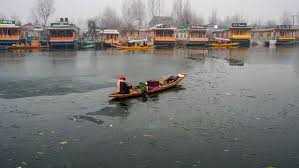
As Chilla Kalan approaches, Kashmir slowly transforms. The vibrant greens of summer and the golden hues of autumn give way to a muted palette of whites, greys, and blues. Snow blankets rooftops, orchards, and roads, muffling sound and movement. Rivers slow down, lakes partially freeze, and mornings often begin with a thick fog hanging over the land.
For many Kashmiris, this silence is not empty—it is deeply contemplative. Chilla Kalan brings a pause to the fast pace of life. Travel reduces, outdoor activities shrink, and people retreat indoors. Yet, within this stillness lies a unique warmth, one that is rooted in community, family, and shared endurance.
Preparing for the Cold: A Ritual in Itself
The arrival of Chilla Kalan is never sudden for Kashmiris. Preparations begin weeks, sometimes months, in advance. Firewood is stocked, dried vegetables are prepared, rice and pulses are stored, and woolens are taken out of trunks. Traditional practices like drying haakh, nadru (lotus stem), brinjals, and turnips under the autumn sun are crucial, ensuring food security when fresh produce becomes scarce.
Homes are winter-proofed as well. Windows are sealed with plastic sheets or traditional methods to keep out icy winds. Heavy curtains are hung, and families bring out their kangris—the traditional earthen fire pots encased in wicker—that serve as both a heat source and a cultural symbol of Kashmiri winters.
Kangri: The Heart of Winter
No discussion of Chilla Kalan is complete without mentioning the kangri. For generations, it has been the most trusted companion during the cold months. Carried under pherans (traditional Kashmiri woolen cloaks), the kangri provides portable warmth and comfort.
Beyond its practical use, the kangri is deeply embedded in Kashmiri identity. Stories, folklore, and even poetry reference it as a symbol of survival and warmth amid adversity. During Chilla Kalan, when temperatures can plunge far below freezing, the glow of a kangri is both literal and metaphorical—keeping bodies warm and spirits alive.
Food That Warms the Soul
Chilla Kalan significantly influences Kashmiri cuisine. Winter dishes are rich, warming, and nourishing, designed to combat the cold. Meals become heavier, with increased use of meat, rice, and spices.
Traditional dishes like harissa, yakhni, rogan josh, and goshtaba are especially cherished. Hot cups of noon chai (salted pink tea) and kahwa are consumed throughout the day, offering warmth and comfort. These foods are not just sustenance; they are emotional anchors, reminding people of home, tradition, and togetherness.
Families often gather around a shared meal during long winter evenings. Conversations stretch, stories are told, and memories are made. In many ways, Chilla Kalan strengthens family bonds, as people spend more time indoors, away from distractions.
Challenges and Hardships
Despite its cultural richness, Chilla Kalan is also a period of real hardship. Extreme cold brings frozen water pipes, power outages, blocked roads, and disrupted supply chains. In rural and remote areas, snowfall can cut off villages for days or even weeks.
Daily life becomes a test of endurance. Students struggle to attend schools, workers face commuting challenges, and healthcare access can become difficult. For the elderly, children, and those with limited resources, Chilla Kalan can be particularly harsh.
Climate change has added another layer of uncertainty. While some years bring heavy snowfall and severe cold, others see erratic weather patterns—less snow but colder temperatures, or sudden snowstorms. These changes affect agriculture, water availability, and overall winter preparedness, increasing anxiety among the people.
The Emotional Landscape of Winter
Chilla Kalan is not just felt on the skin—it is felt in the heart. For some, it brings a sense of melancholy. Short days, long nights, and isolation can weigh heavily on mental health. Seasonal sadness is not uncommon, especially when movement is restricted and social interactions are limited.
Yet, for many Kashmiris, Chilla Kalan also brings introspection and spiritual calm. The slower pace of life allows people to reflect, pray, read, and reconnect with themselves. Mosques, homes, and community spaces often become centers of warmth and solace.
Children, in particular, experience Chilla Kalan differently. Snowball fights, building snowmen, and waiting eagerly for snowfall transform the cold into joy. For them, winter is magical—a time of wonder and play.
Economy Under the Shadow of Winter
Chilla Kalan significantly impacts Kashmir’s economy. Tourism slows down in many areas, construction activities halt, and agricultural work pauses. Daily wage earners face reduced income, and businesses operate at limited capacity.
At the same time, certain sectors find opportunity in winter. Handicrafts, woolens, dry fruits, and traditional winter products see increased demand. Winter tourism, especially in places like Gulmarg, also provides livelihood to many, as snow attracts skiers and visitors from outside the Valley.
Thus, Chilla Kalan is a season of contrasts—economic strain for some and opportunity for others.
Faith, Folklore, and Endurance
Over centuries, Kashmiris have learned not just to survive Chilla Kalan, but to coexist with it. Folk sayings, proverbs, and traditions reflect this deep relationship with winter. Elders often recount past winters—harsher, longer, and more unforgiving—instilling a sense of resilience in younger generations.
There is also a spiritual acceptance tied to the season. Many view Chilla Kalan as a test of patience and faith, believing that endurance through hardship brings strength and renewal. As winter peaks, hope quietly grows for longer days, melting snow, and the eventual arrival of spring.
Waiting with Hope
As Chilla Kalan approaches each year, Kashmir waits—not with fear alone, but with preparedness, memory, and hope. It is a time that demands resilience but also offers reflection. It strips life down to essentials—warmth, food, companionship—and reminds people of the value of community and simplicity.
In a world moving rapidly toward constant activity and noise, Chilla Kalan forces a pause. It teaches patience, endurance, and appreciation for warmth—both physical and emotional. For the people of Kashmir, it is not merely a season of cold; it is a defining chapter of life, written year after year in snow, silence, and strength.
As the Valley braces itself once again, the people await Chilla Kalan with a quiet understanding: it will be harsh, it will be beautiful, and like every winter before it, it will pass—leaving behind stories of survival, togetherness, and hope for spring.
Email:------------ mushtaqwani123@gmail.com
Chilla Kalan, which literally means “the major cold,” marks a 40-day period of intense winter, usually beginning around December 21 or 22 and lasting until the end of January. It is followed by two shorter phases—Chilla Khurd (20 days of milder cold) and Chilla Bacha (10 days of even lesser cold). Among these, Chilla Kalan stands apart for its biting cold, frozen landscapes, and profound influence on life in the Valley.
As winter tightens its icy grip over the Valley, a familiar anticipation fills the air in Kashmir. The people, wrapped in layers of wool and tradition, look toward the arrival of Chilla Kalan—the harshest and most defining phase of the Kashmiri winter. More than just a meteorological phenomenon, Chilla Kalan is an experience that shapes daily life, culture, emotions, and resilience of Kashmiris year after year.
Chilla Kalan, which literally means “the major cold,” marks a 40-day period of intense winter, usually beginning around December 21 or 22 and lasting until the end of January. It is followed by two shorter phases—Chilla Khurd (20 days of milder cold) and Chilla Bacha (10 days of even lesser cold). Among these, Chilla Kalan stands apart for its biting cold, frozen landscapes, and profound influence on life in the Valley.
The Onset of Silence and Stillness
As Chilla Kalan approaches, Kashmir slowly transforms. The vibrant greens of summer and the golden hues of autumn give way to a muted palette of whites, greys, and blues. Snow blankets rooftops, orchards, and roads, muffling sound and movement. Rivers slow down, lakes partially freeze, and mornings often begin with a thick fog hanging over the land.
For many Kashmiris, this silence is not empty—it is deeply contemplative. Chilla Kalan brings a pause to the fast pace of life. Travel reduces, outdoor activities shrink, and people retreat indoors. Yet, within this stillness lies a unique warmth, one that is rooted in community, family, and shared endurance.
Preparing for the Cold: A Ritual in Itself
The arrival of Chilla Kalan is never sudden for Kashmiris. Preparations begin weeks, sometimes months, in advance. Firewood is stocked, dried vegetables are prepared, rice and pulses are stored, and woolens are taken out of trunks. Traditional practices like drying haakh, nadru (lotus stem), brinjals, and turnips under the autumn sun are crucial, ensuring food security when fresh produce becomes scarce.
Homes are winter-proofed as well. Windows are sealed with plastic sheets or traditional methods to keep out icy winds. Heavy curtains are hung, and families bring out their kangris—the traditional earthen fire pots encased in wicker—that serve as both a heat source and a cultural symbol of Kashmiri winters.
Kangri: The Heart of Winter
No discussion of Chilla Kalan is complete without mentioning the kangri. For generations, it has been the most trusted companion during the cold months. Carried under pherans (traditional Kashmiri woolen cloaks), the kangri provides portable warmth and comfort.
Beyond its practical use, the kangri is deeply embedded in Kashmiri identity. Stories, folklore, and even poetry reference it as a symbol of survival and warmth amid adversity. During Chilla Kalan, when temperatures can plunge far below freezing, the glow of a kangri is both literal and metaphorical—keeping bodies warm and spirits alive.
Food That Warms the Soul
Chilla Kalan significantly influences Kashmiri cuisine. Winter dishes are rich, warming, and nourishing, designed to combat the cold. Meals become heavier, with increased use of meat, rice, and spices.
Traditional dishes like harissa, yakhni, rogan josh, and goshtaba are especially cherished. Hot cups of noon chai (salted pink tea) and kahwa are consumed throughout the day, offering warmth and comfort. These foods are not just sustenance; they are emotional anchors, reminding people of home, tradition, and togetherness.
Families often gather around a shared meal during long winter evenings. Conversations stretch, stories are told, and memories are made. In many ways, Chilla Kalan strengthens family bonds, as people spend more time indoors, away from distractions.
Challenges and Hardships
Despite its cultural richness, Chilla Kalan is also a period of real hardship. Extreme cold brings frozen water pipes, power outages, blocked roads, and disrupted supply chains. In rural and remote areas, snowfall can cut off villages for days or even weeks.
Daily life becomes a test of endurance. Students struggle to attend schools, workers face commuting challenges, and healthcare access can become difficult. For the elderly, children, and those with limited resources, Chilla Kalan can be particularly harsh.
Climate change has added another layer of uncertainty. While some years bring heavy snowfall and severe cold, others see erratic weather patterns—less snow but colder temperatures, or sudden snowstorms. These changes affect agriculture, water availability, and overall winter preparedness, increasing anxiety among the people.
The Emotional Landscape of Winter
Chilla Kalan is not just felt on the skin—it is felt in the heart. For some, it brings a sense of melancholy. Short days, long nights, and isolation can weigh heavily on mental health. Seasonal sadness is not uncommon, especially when movement is restricted and social interactions are limited.
Yet, for many Kashmiris, Chilla Kalan also brings introspection and spiritual calm. The slower pace of life allows people to reflect, pray, read, and reconnect with themselves. Mosques, homes, and community spaces often become centers of warmth and solace.
Children, in particular, experience Chilla Kalan differently. Snowball fights, building snowmen, and waiting eagerly for snowfall transform the cold into joy. For them, winter is magical—a time of wonder and play.
Economy Under the Shadow of Winter
Chilla Kalan significantly impacts Kashmir’s economy. Tourism slows down in many areas, construction activities halt, and agricultural work pauses. Daily wage earners face reduced income, and businesses operate at limited capacity.
At the same time, certain sectors find opportunity in winter. Handicrafts, woolens, dry fruits, and traditional winter products see increased demand. Winter tourism, especially in places like Gulmarg, also provides livelihood to many, as snow attracts skiers and visitors from outside the Valley.
Thus, Chilla Kalan is a season of contrasts—economic strain for some and opportunity for others.
Faith, Folklore, and Endurance
Over centuries, Kashmiris have learned not just to survive Chilla Kalan, but to coexist with it. Folk sayings, proverbs, and traditions reflect this deep relationship with winter. Elders often recount past winters—harsher, longer, and more unforgiving—instilling a sense of resilience in younger generations.
There is also a spiritual acceptance tied to the season. Many view Chilla Kalan as a test of patience and faith, believing that endurance through hardship brings strength and renewal. As winter peaks, hope quietly grows for longer days, melting snow, and the eventual arrival of spring.
Waiting with Hope
As Chilla Kalan approaches each year, Kashmir waits—not with fear alone, but with preparedness, memory, and hope. It is a time that demands resilience but also offers reflection. It strips life down to essentials—warmth, food, companionship—and reminds people of the value of community and simplicity.
In a world moving rapidly toward constant activity and noise, Chilla Kalan forces a pause. It teaches patience, endurance, and appreciation for warmth—both physical and emotional. For the people of Kashmir, it is not merely a season of cold; it is a defining chapter of life, written year after year in snow, silence, and strength.
As the Valley braces itself once again, the people await Chilla Kalan with a quiet understanding: it will be harsh, it will be beautiful, and like every winter before it, it will pass—leaving behind stories of survival, togetherness, and hope for spring.
Email:------------ mushtaqwani123@gmail.com

© Copyright 2023 brighterkashmir.com All Rights Reserved. Quantum Technologies