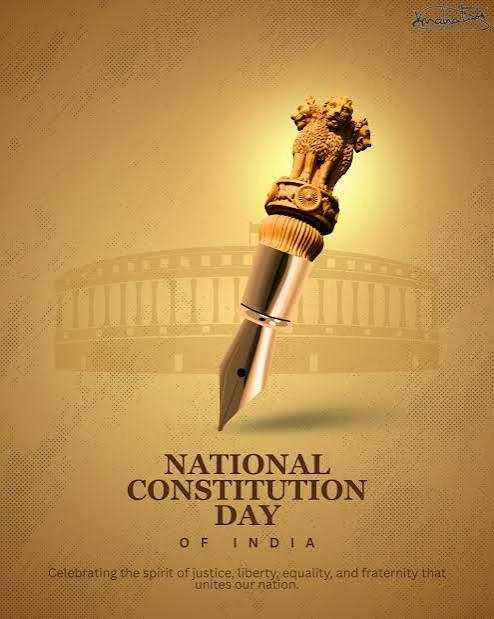
The Constitution of India is much more than a legal document governing the country. It’s a collective national commitment to establish a democratic, inclusive and just society. As India observes Constitution Day on November 26, the occasion offers an opportunity not merely to commemorate the adoption of this historic document but also to reflect upon the vision of its framers and examine how faithfully its promises are being translated into reality.
From the ideals of the Constituent Assembly to the challenges of contemporary India, the Constitution remains the foundation of our democracy and a continuing promise of justice, liberty, equality and fraternity.
The political war over the Constitution continues to rage. The Congress charges BJP with assaulting and subverting the Constitution, the latter accuse its rival of undermining constitutional institutions and processes. Lost in this war of accusations is the more fundamental question: are both sides living up to the constitutional values they so claim to defend? The test lies not in political rhetoric but in upholding the Constitution in both letter and spirit.
The Constitution of India is much more than a legal document governing the country. It’s a collective national commitment to establish a democratic, inclusive and just society. As India observes Constitution Day on November 26, the occasion offers an opportunity not merely to commemorate the adoption of this historic document but also to reflect upon the vision of its framers and examine how faithfully its promises are being translated into reality.
On November 26, 1949, the Constituent Assembly adopted, enacted and gave to the people of India the Constitution. It was the culmination of nearly three years of deliberations, disagreements, negotiations and consensus-building among representatives belonging to diverse regions, communities and ideological traditions. The Constitution came into force on January 26, 1950, marking the birth of India as a sovereign democratic republic. The choice of January 26 also recalled the historic declaration of Purna Swaraj in 1930, connecting the country's freedom struggle with its constitutional future.
The making of the Constitution was an extraordinary exercise in democratic deliberation. The Constituent Assembly, which first met on December 9, 1946, held 11 sessions spread over 165 days of sittings. Its members debated almost every aspect of the proposed constitutional framework, including fundamental rights, federalism, minority safeguards, language, citizenship, parliamentary institutions and the role of judiciary.
Dr. B.R. Ambedkar, Chairman, Drafting Committee, played an indispensable role in shaping the Constitution. However, contributions of other leaders were equally significant. What distinguished the Assembly was not the absence of disagreement but its ability to resolve differences through reasoned discussion and democratic accommodation. Its members held divergent views on several issues, yet they shared a larger objective: to establish a constitutional order that would preserve India’s diversity while strengthening national unity.
At a time when public discourse often becomes sharply polarised, the Constituent Assembly’s approach holds particular relevance. It reminds us that disagreement is not a weakness of democracy. Rather, the willingness to listen, debate and accommodate differing viewpoints is what gives democratic institutions their strength.
The Preamble encapsulates the philosophy and aspirations of the Constitution. Beginning with the historic words, “We, the People of India”, it establishes that constitutional authority ultimately derives from the people themselves. Its commitment to justice, liberty, equality and fraternity constitutes the moral foundation of the Republic. Social, economic and political justice seek to ensure that independence is accompanied by meaningful social transformation. Liberty protects freedom of thought, expression, belief, faith and worship, while equality of status and opportunity seeks to dismantle entrenched inequalities.The word “secular” was added to the Preamble by the (42nd Constitutional Amendment Act of 1976. These ideals acquire renewed significance in contemporary India.
One of the most profound moments in the Constituent Assembly’s proceedings came on November 25, 1949, when Dr. Ambedkar in his concluding address to the Constituent Assembly warned that political democracy couldn’t endure without social democracy, which he described as "a way of life which recognises liberty, equality and fraternity as the principles of life." He also cautioned against abandoning constitutional methods for achieving political and social objectives. His expression, “the grammar of anarchy”, remains a reminder that democratic institutions and constitutional processes must be respected, even when disagreements are intense.
India’s constitutional framework establishes a system of checks and balances among legislature, executive and judiciary. Parliament’s role extends beyond law-making to representing diverse public interests, debating policies and holding the executive accountable. Meaningful debate, respect for dissent and effective parliamentary scrutiny are essential for democratic governance. The Constituent Assembly’s tradition of reasoned discussion and accommodation remains relevant, reminding democratic institutions that constitutional authority must go hand in hand with constitutional responsibility.
The Constitution’s commitment to individual liberty is reflected in the Fundamental Rights, while its broader vision of social and economic transformation finds expression in the Directive Principles of State Policy. The former protect individuals against arbitrary State action and safeguard essential freedoms. The latter establish goals that State should pursue in creating a just social order.
The Constitution was framed against the background of Partition, communal violence, widespread poverty and formidable challenges of nation-building. Despite these circumstances, its framers placed their faith in parliamentary democracy, universal adult franchise, an independent judiciary and a federal constitutional structure. The decision to extend voting rights to all adult citizens from the very beginning was particularly remarkable for a country emerging from colonial rule, with widespread illiteracy and economic deprivation.
The Constitution has undergone several amendments to respond to changing national requirements. Its capacity to adapt is one of its enduring strengths. However, constitutional flexibility must operate within the framework of its fundamental principles and democratic commitments.
The recurring debate over whether the Constitution should be rewritten should therefore be approached with historical understanding and constitutional responsibility. The framers provided an amendment mechanism precisely because they recognised that future generations would encounter circumstances different from their own. The more important question is whether the existing constitutional provisions and institutions are being implemented in their true spirit.
Constitutional democracy cannot survive through government action alone. It also depends upon the awareness, participation and conduct of citizens. Article 51A, which incorporates Fundamental Duties, reminds citizens to respect the Constitution, its ideals and institutions, promote harmony and common brotherhood, protect women’s dignity and safeguard the natural environment, among other responsibilities.
In today's interconnected world, these duties have acquired additional dimensions. Responsible exercise of freedom of expression, verification of information before sharing it, respect for opposing viewpoints and rejection of misinformation are essential to a healthy democratic culture. Constitutional awareness should therefore become part of everyday civic life.
In 2015, the Government of India formally declared November 26 as Constitution Day to promote awareness of constitutional values and recognise the contribution of Constituent Assembly and founding fathers. However, the real significance of Constitution Day lies not in ceremonial observances but in the extent to which constitutional ideals are reflected in public life.
Nearly eight decades after its adoption, the Constitution continues to provide India with a framework for democratic governance and national unity. The challenges confronting the country may have changed, but the founding principles of justice, liberty, equality and fraternity remain as relevant as ever.
The most meaningful tribute to the Constituent Assembly members would be to revisit their debates, understand the concerns that shaped their decisions and translate their aspirations into action. Their legacy is not simply a historic document but a continuing responsibility shared by every generation.
The Constitution’s future depends upon how the people, institutions and governments of today uphold its promises. Constitution Day must serve not merely as a reminder of our constitutional inheritance but also as a renewed pledge to protect, preserve and strengthen the democratic Republic.
Email:----------------------dr.dkgiri@gmail.com

The Constitution of India is much more than a legal document governing the country. It’s a collective national commitment to establish a democratic, inclusive and just society. As India observes Constitution Day on November 26, the occasion offers an opportunity not merely to commemorate the adoption of this historic document but also to reflect upon the vision of its framers and examine how faithfully its promises are being translated into reality.
From the ideals of the Constituent Assembly to the challenges of contemporary India, the Constitution remains the foundation of our democracy and a continuing promise of justice, liberty, equality and fraternity.
The political war over the Constitution continues to rage. The Congress charges BJP with assaulting and subverting the Constitution, the latter accuse its rival of undermining constitutional institutions and processes. Lost in this war of accusations is the more fundamental question: are both sides living up to the constitutional values they so claim to defend? The test lies not in political rhetoric but in upholding the Constitution in both letter and spirit.
The Constitution of India is much more than a legal document governing the country. It’s a collective national commitment to establish a democratic, inclusive and just society. As India observes Constitution Day on November 26, the occasion offers an opportunity not merely to commemorate the adoption of this historic document but also to reflect upon the vision of its framers and examine how faithfully its promises are being translated into reality.
On November 26, 1949, the Constituent Assembly adopted, enacted and gave to the people of India the Constitution. It was the culmination of nearly three years of deliberations, disagreements, negotiations and consensus-building among representatives belonging to diverse regions, communities and ideological traditions. The Constitution came into force on January 26, 1950, marking the birth of India as a sovereign democratic republic. The choice of January 26 also recalled the historic declaration of Purna Swaraj in 1930, connecting the country's freedom struggle with its constitutional future.
The making of the Constitution was an extraordinary exercise in democratic deliberation. The Constituent Assembly, which first met on December 9, 1946, held 11 sessions spread over 165 days of sittings. Its members debated almost every aspect of the proposed constitutional framework, including fundamental rights, federalism, minority safeguards, language, citizenship, parliamentary institutions and the role of judiciary.
Dr. B.R. Ambedkar, Chairman, Drafting Committee, played an indispensable role in shaping the Constitution. However, contributions of other leaders were equally significant. What distinguished the Assembly was not the absence of disagreement but its ability to resolve differences through reasoned discussion and democratic accommodation. Its members held divergent views on several issues, yet they shared a larger objective: to establish a constitutional order that would preserve India’s diversity while strengthening national unity.
At a time when public discourse often becomes sharply polarised, the Constituent Assembly’s approach holds particular relevance. It reminds us that disagreement is not a weakness of democracy. Rather, the willingness to listen, debate and accommodate differing viewpoints is what gives democratic institutions their strength.
The Preamble encapsulates the philosophy and aspirations of the Constitution. Beginning with the historic words, “We, the People of India”, it establishes that constitutional authority ultimately derives from the people themselves. Its commitment to justice, liberty, equality and fraternity constitutes the moral foundation of the Republic. Social, economic and political justice seek to ensure that independence is accompanied by meaningful social transformation. Liberty protects freedom of thought, expression, belief, faith and worship, while equality of status and opportunity seeks to dismantle entrenched inequalities.The word “secular” was added to the Preamble by the (42nd Constitutional Amendment Act of 1976. These ideals acquire renewed significance in contemporary India.
One of the most profound moments in the Constituent Assembly’s proceedings came on November 25, 1949, when Dr. Ambedkar in his concluding address to the Constituent Assembly warned that political democracy couldn’t endure without social democracy, which he described as "a way of life which recognises liberty, equality and fraternity as the principles of life." He also cautioned against abandoning constitutional methods for achieving political and social objectives. His expression, “the grammar of anarchy”, remains a reminder that democratic institutions and constitutional processes must be respected, even when disagreements are intense.
India’s constitutional framework establishes a system of checks and balances among legislature, executive and judiciary. Parliament’s role extends beyond law-making to representing diverse public interests, debating policies and holding the executive accountable. Meaningful debate, respect for dissent and effective parliamentary scrutiny are essential for democratic governance. The Constituent Assembly’s tradition of reasoned discussion and accommodation remains relevant, reminding democratic institutions that constitutional authority must go hand in hand with constitutional responsibility.
The Constitution’s commitment to individual liberty is reflected in the Fundamental Rights, while its broader vision of social and economic transformation finds expression in the Directive Principles of State Policy. The former protect individuals against arbitrary State action and safeguard essential freedoms. The latter establish goals that State should pursue in creating a just social order.
The Constitution was framed against the background of Partition, communal violence, widespread poverty and formidable challenges of nation-building. Despite these circumstances, its framers placed their faith in parliamentary democracy, universal adult franchise, an independent judiciary and a federal constitutional structure. The decision to extend voting rights to all adult citizens from the very beginning was particularly remarkable for a country emerging from colonial rule, with widespread illiteracy and economic deprivation.
The Constitution has undergone several amendments to respond to changing national requirements. Its capacity to adapt is one of its enduring strengths. However, constitutional flexibility must operate within the framework of its fundamental principles and democratic commitments.
The recurring debate over whether the Constitution should be rewritten should therefore be approached with historical understanding and constitutional responsibility. The framers provided an amendment mechanism precisely because they recognised that future generations would encounter circumstances different from their own. The more important question is whether the existing constitutional provisions and institutions are being implemented in their true spirit.
Constitutional democracy cannot survive through government action alone. It also depends upon the awareness, participation and conduct of citizens. Article 51A, which incorporates Fundamental Duties, reminds citizens to respect the Constitution, its ideals and institutions, promote harmony and common brotherhood, protect women’s dignity and safeguard the natural environment, among other responsibilities.
In today's interconnected world, these duties have acquired additional dimensions. Responsible exercise of freedom of expression, verification of information before sharing it, respect for opposing viewpoints and rejection of misinformation are essential to a healthy democratic culture. Constitutional awareness should therefore become part of everyday civic life.
In 2015, the Government of India formally declared November 26 as Constitution Day to promote awareness of constitutional values and recognise the contribution of Constituent Assembly and founding fathers. However, the real significance of Constitution Day lies not in ceremonial observances but in the extent to which constitutional ideals are reflected in public life.
Nearly eight decades after its adoption, the Constitution continues to provide India with a framework for democratic governance and national unity. The challenges confronting the country may have changed, but the founding principles of justice, liberty, equality and fraternity remain as relevant as ever.
The most meaningful tribute to the Constituent Assembly members would be to revisit their debates, understand the concerns that shaped their decisions and translate their aspirations into action. Their legacy is not simply a historic document but a continuing responsibility shared by every generation.
The Constitution’s future depends upon how the people, institutions and governments of today uphold its promises. Constitution Day must serve not merely as a reminder of our constitutional inheritance but also as a renewed pledge to protect, preserve and strengthen the democratic Republic.
Email:----------------------dr.dkgiri@gmail.com
© Copyright 2023 brighterkashmir.com All Rights Reserved. Quantum Technologies