
BREAKING NEWS
Deforestation means murder — the murder of life itself. Forests are the oxygen oceans of our planet and anyone destroying them should be punished under strict laws.
The Almighty has bestowed upon us countless blessings, each meant directly or indirectly for the welfare of humankind. Yet, we have become selfish and ruthless, turning into the main culprits who destroy and damage our natural assets.
Forests are not mere clusters of trees; they are the lifeline of human existence. They supply timber, fodder, and act as a shield against natural catastrophes such as flash floods, landslides, and soil erosion.
Deforestation refers to the large-scale cutting of trees. It leads to soil erosion, flash floods, and high-intensity natural calamities. It also decreases the concentration of oxygen (O₂) and increases carbon dioxide (CO₂) in the atmosphere, resulting in rising global temperatures. Forests maintain the natural balance of gases essential for life — a system that has no alternative.
Every subject in our education system has its own importance — economics, political science, mathematics, and others. However, when it comes to environmental challenges, it is science that holds the key to understanding and resolving them. Science provides the tools to study, analyze, and protect our environment effectively.
Unfortunately, there are some selfish individuals who exploit forest resources for personal gain. The truth is that forests are golden assets of our nation, not just trees standing tall. While intellectuals in our society recognize their importance, they are often limited in their capacity to act.
The government and concerned forest departments must step out of their offices and initiate public awareness programs. Counselling sessions, advertisements, and hoardings should be displayed prominently to educate people about forest conservation.
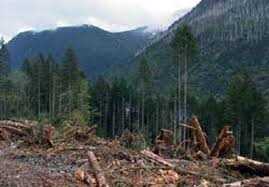
In the past few years, I have personally visited several forest regions across districts such as Budgam, Gulmarg, and Pahalgam. It is truly heartbreaking to see large-scale deforestation — once dense forests now appear deserted, testifying to the ruthless acts of greed committed for mere currency notes.
Forests have always inspired poets, artists, and filmmakers. The lush green leaves, the towering pine trees, and the buzzing of dragonflies — all these scenes reflect the unmatched beauty of nature. Forests beautify our motherland, offer recreation, and refresh the human spirit.
In India, 7,12,249 sq. km of land is under forest cover, and in Jammu & Kashmir, about 20,230 sq. km of total geographical area is forested. The Pir Panjal range in Jammu and Kashmir, part of the Lesser Himalayas, is rich in diverse flora and fauna. This range plays a pivotal role in the state’s economy and ecology. Stretching from Himachal Pradesh to Pakistan-administered Azad Kashmir, Pir Panjal stands as a guardian of biodiversity and a symbol of natural wealth.
Forests for Recreation and Research
For centuries, forests have provided spaces for recreation — from summer camps and trekking to mountaineering and exploration. Researchers and doctoral students also depend on forests for their studies, as they are home to a wide range of herbs, shrubs, and plant species that cannot be found elsewhere.
Uses and Benefits of Forests
Forests maintain ecological balance by supporting food chains and food webs. They provide shelter to wildlife, grazing land to nomads, and medicinal plants to humankind. Communities living near forests often depend on them for livelihood — but sustainable use is key.
Causes of Deforestation
Deforestation occurs mainly due to smuggling, construction, urbanization, and growing timber demand for bridges and buildings. Human interference in forest areas is the leading cause of ecological imbalance.
Suggestions and Solutions
The best way to counter deforestation is through afforestation — planting new trees in deforested areas. However, it takes time for new forests to grow to their full potential. Therefore, awareness programs, strict monitoring, and active participation of local communities are crucial.
Government bodies must conduct regular awareness drives, deploy forest guards even during night hours, and ensure community vigilance. Protecting forests means protecting life itself.
Conclusion
Deforestation truly means murder — not just of trees but of air, water, animals, and ultimately humanity. Forests are living treasures, the golden lungs of our planet. Let us all take a pledge to protect them for the sake of our children and generations to come.
Email:------------------------ sahilmanzoor411990@gmail.com
Deforestation means murder — the murder of life itself. Forests are the oxygen oceans of our planet and anyone destroying them should be punished under strict laws.
The Almighty has bestowed upon us countless blessings, each meant directly or indirectly for the welfare of humankind. Yet, we have become selfish and ruthless, turning into the main culprits who destroy and damage our natural assets.
Forests are not mere clusters of trees; they are the lifeline of human existence. They supply timber, fodder, and act as a shield against natural catastrophes such as flash floods, landslides, and soil erosion.
Deforestation refers to the large-scale cutting of trees. It leads to soil erosion, flash floods, and high-intensity natural calamities. It also decreases the concentration of oxygen (O₂) and increases carbon dioxide (CO₂) in the atmosphere, resulting in rising global temperatures. Forests maintain the natural balance of gases essential for life — a system that has no alternative.
Every subject in our education system has its own importance — economics, political science, mathematics, and others. However, when it comes to environmental challenges, it is science that holds the key to understanding and resolving them. Science provides the tools to study, analyze, and protect our environment effectively.
Unfortunately, there are some selfish individuals who exploit forest resources for personal gain. The truth is that forests are golden assets of our nation, not just trees standing tall. While intellectuals in our society recognize their importance, they are often limited in their capacity to act.
The government and concerned forest departments must step out of their offices and initiate public awareness programs. Counselling sessions, advertisements, and hoardings should be displayed prominently to educate people about forest conservation.
In the past few years, I have personally visited several forest regions across districts such as Budgam, Gulmarg, and Pahalgam. It is truly heartbreaking to see large-scale deforestation — once dense forests now appear deserted, testifying to the ruthless acts of greed committed for mere currency notes.
Forests have always inspired poets, artists, and filmmakers. The lush green leaves, the towering pine trees, and the buzzing of dragonflies — all these scenes reflect the unmatched beauty of nature. Forests beautify our motherland, offer recreation, and refresh the human spirit.
In India, 7,12,249 sq. km of land is under forest cover, and in Jammu & Kashmir, about 20,230 sq. km of total geographical area is forested. The Pir Panjal range in Jammu and Kashmir, part of the Lesser Himalayas, is rich in diverse flora and fauna. This range plays a pivotal role in the state’s economy and ecology. Stretching from Himachal Pradesh to Pakistan-administered Azad Kashmir, Pir Panjal stands as a guardian of biodiversity and a symbol of natural wealth.
Forests for Recreation and Research
For centuries, forests have provided spaces for recreation — from summer camps and trekking to mountaineering and exploration. Researchers and doctoral students also depend on forests for their studies, as they are home to a wide range of herbs, shrubs, and plant species that cannot be found elsewhere.
Uses and Benefits of Forests
Forests maintain ecological balance by supporting food chains and food webs. They provide shelter to wildlife, grazing land to nomads, and medicinal plants to humankind. Communities living near forests often depend on them for livelihood — but sustainable use is key.
Causes of Deforestation
Deforestation occurs mainly due to smuggling, construction, urbanization, and growing timber demand for bridges and buildings. Human interference in forest areas is the leading cause of ecological imbalance.
Suggestions and Solutions
The best way to counter deforestation is through afforestation — planting new trees in deforested areas. However, it takes time for new forests to grow to their full potential. Therefore, awareness programs, strict monitoring, and active participation of local communities are crucial.
Government bodies must conduct regular awareness drives, deploy forest guards even during night hours, and ensure community vigilance. Protecting forests means protecting life itself.
Conclusion
Deforestation truly means murder — not just of trees but of air, water, animals, and ultimately humanity. Forests are living treasures, the golden lungs of our planet. Let us all take a pledge to protect them for the sake of our children and generations to come.
Email:------------------------ sahilmanzoor411990@gmail.com

© Copyright 2023 brighterkashmir.com All Rights Reserved. Quantum Technologies