
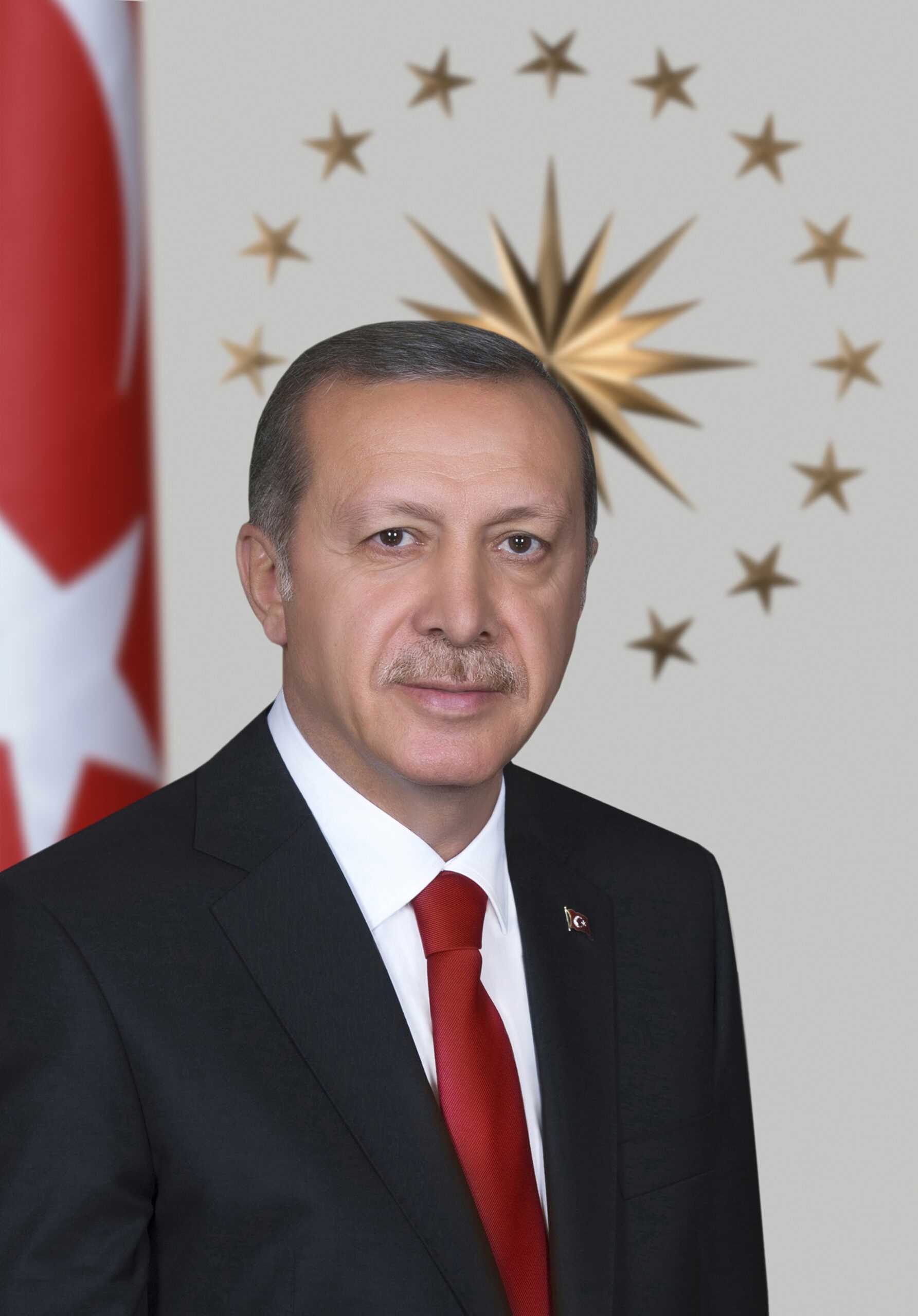
Addressing world leaders and climate representatives at the United Nations Climate Summit, COP31, in Antalya on Wednesday, Erdogan said the destruction in Gaza extended far beyond the loss of human lives, with widespread damage to agricultural land, water resources and essential infrastructure.
He described the devastation as an environmental catastrophe, pointing out that centuries-old olive trees had been destroyed and that large areas of soil and water had been contaminated. His remarks drew applause from participants attending the summit.
Erdogan also highlighted the worsening living conditions of displaced Palestinians, particularly following recent heavy rainfall and flooding. Thousands of temporary shelters have reportedly been affected, leaving vulnerable families exposed to harsh weather amid the widespread destruction of Gaza's infrastructure.
Israel's Foreign Ministry dismissed the Turkish president's remarks, accusing him of using the international gathering to pursue an anti-Israel agenda. It blamed Hamas for the destruction and maintained that the group's disarmament was necessary before reconstruction efforts could move forward. Israel was not invited to participate in COP31.
The war began on October 7, 2023, following an attack by Hamas-led militants in southern Israel that killed approximately 1,200 people and resulted in 251 people being taken hostage. Israel responded with a large-scale military campaign in Gaza, which has since killed more than 74,000 Palestinians, according to local health authorities. Women and children account for nearly half of the reported fatalities, although the figures do not separately identify civilians and combatants.
Recent rainfall has added to the difficulties faced by displaced families, with flooding damaging makeshift shelters and worsening already precarious living conditions. At least four people were reportedly killed earlier this week after a sand embankment collapsed onto a shelter.
The humanitarian crisis continues to deepen as large sections of the population struggle to secure food, drinking water and adequate shelter. Humanitarian assistance is entering the territory, but supplies remain substantially below pre-war levels, with restrictions affecting the movement of essential goods.
The scale of environmental damage has also emerged as a major concern. A United Nations Environment Programme assessment published in 2025 documented extensive destruction of Gaza's agricultural and natural landscapes. By May 2025, damage had affected more than 97 per cent of tree crops, 82 per cent of annual crops, 95 per cent of shrubland and 89 per cent of grassland and fallow areas.
The destruction has severely undermined agricultural production and threatened the livelihoods of thousands of families. Mohammed Usrof, co-founder and executive director of the Palestinian Institute for Climate Strategy, has estimated that only around three per cent of Gaza's agricultural land remains available for use.
Beyond agriculture, the conflict has damaged sewage treatment facilities, waste management systems and clean-water infrastructure. The deterioration of these essential services has increased the risk of disease and environmental contamination, particularly among people living in overcrowded displacement camps.
Gaza's fishing industry has also suffered heavily, with marine resources facing contamination from untreated sewage, solid waste and pollutants associated with the conflict.
Environmental specialists have warned that the damage could have consequences extending well beyond the end of hostilities. Contaminated groundwater, degraded agricultural soil and damaged ecosystems could complicate reconstruction, threaten food security and create long-term public health challenges.
The issue has brought renewed attention to the relationship between armed conflicts, environmental destruction and climate vulnerability. Discussions at COP31 have also focused on global warming, extreme weather events and the need for stronger international cooperation to address mounting environmental challenges.
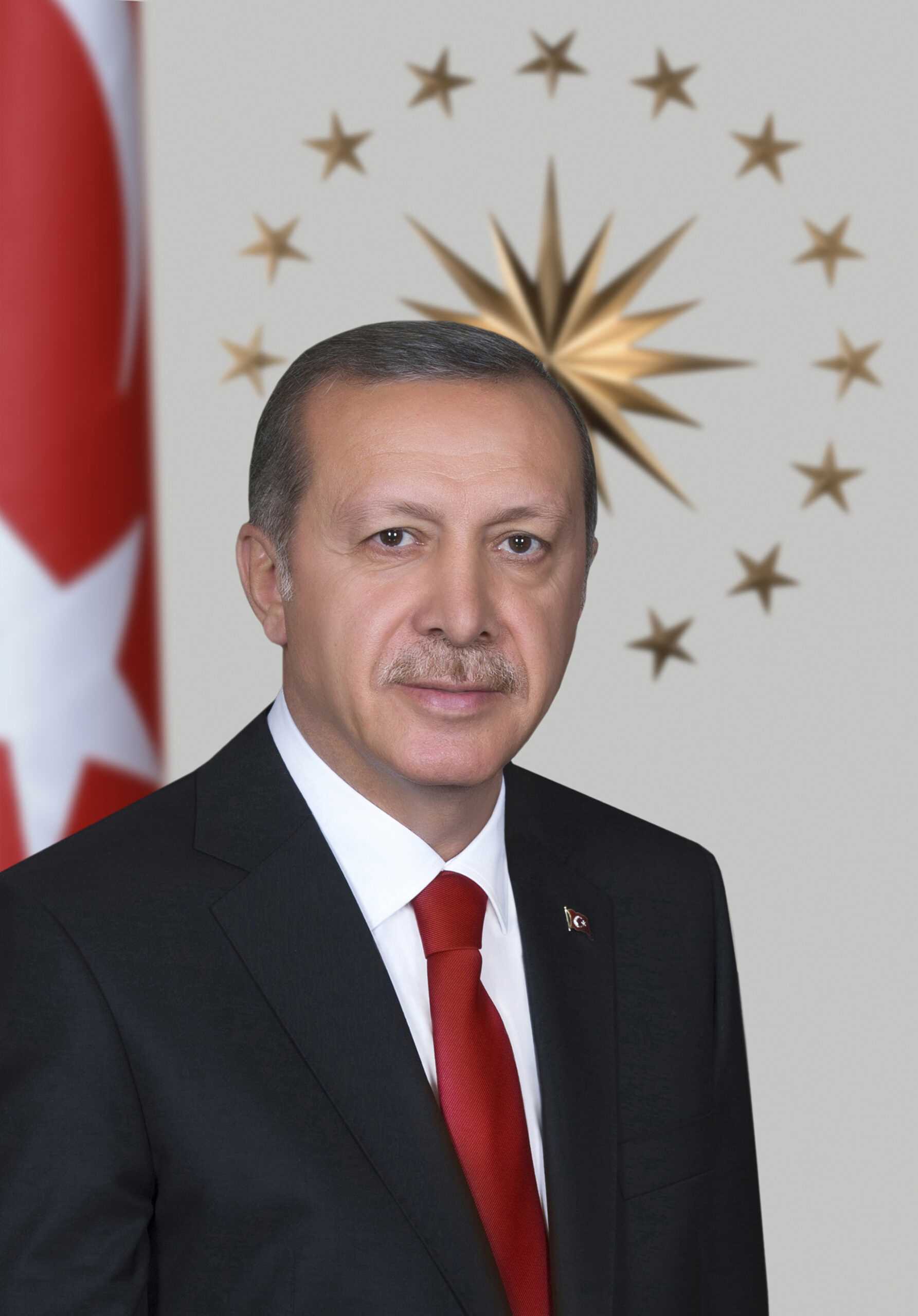
Addressing world leaders and climate representatives at the United Nations Climate Summit, COP31, in Antalya on Wednesday, Erdogan said the destruction in Gaza extended far beyond the loss of human lives, with widespread damage to agricultural land, water resources and essential infrastructure.
He described the devastation as an environmental catastrophe, pointing out that centuries-old olive trees had been destroyed and that large areas of soil and water had been contaminated. His remarks drew applause from participants attending the summit.
Erdogan also highlighted the worsening living conditions of displaced Palestinians, particularly following recent heavy rainfall and flooding. Thousands of temporary shelters have reportedly been affected, leaving vulnerable families exposed to harsh weather amid the widespread destruction of Gaza's infrastructure.
Israel's Foreign Ministry dismissed the Turkish president's remarks, accusing him of using the international gathering to pursue an anti-Israel agenda. It blamed Hamas for the destruction and maintained that the group's disarmament was necessary before reconstruction efforts could move forward. Israel was not invited to participate in COP31.
The war began on October 7, 2023, following an attack by Hamas-led militants in southern Israel that killed approximately 1,200 people and resulted in 251 people being taken hostage. Israel responded with a large-scale military campaign in Gaza, which has since killed more than 74,000 Palestinians, according to local health authorities. Women and children account for nearly half of the reported fatalities, although the figures do not separately identify civilians and combatants.
Recent rainfall has added to the difficulties faced by displaced families, with flooding damaging makeshift shelters and worsening already precarious living conditions. At least four people were reportedly killed earlier this week after a sand embankment collapsed onto a shelter.
The humanitarian crisis continues to deepen as large sections of the population struggle to secure food, drinking water and adequate shelter. Humanitarian assistance is entering the territory, but supplies remain substantially below pre-war levels, with restrictions affecting the movement of essential goods.
The scale of environmental damage has also emerged as a major concern. A United Nations Environment Programme assessment published in 2025 documented extensive destruction of Gaza's agricultural and natural landscapes. By May 2025, damage had affected more than 97 per cent of tree crops, 82 per cent of annual crops, 95 per cent of shrubland and 89 per cent of grassland and fallow areas.
The destruction has severely undermined agricultural production and threatened the livelihoods of thousands of families. Mohammed Usrof, co-founder and executive director of the Palestinian Institute for Climate Strategy, has estimated that only around three per cent of Gaza's agricultural land remains available for use.
Beyond agriculture, the conflict has damaged sewage treatment facilities, waste management systems and clean-water infrastructure. The deterioration of these essential services has increased the risk of disease and environmental contamination, particularly among people living in overcrowded displacement camps.
Gaza's fishing industry has also suffered heavily, with marine resources facing contamination from untreated sewage, solid waste and pollutants associated with the conflict.
Environmental specialists have warned that the damage could have consequences extending well beyond the end of hostilities. Contaminated groundwater, degraded agricultural soil and damaged ecosystems could complicate reconstruction, threaten food security and create long-term public health challenges.
The issue has brought renewed attention to the relationship between armed conflicts, environmental destruction and climate vulnerability. Discussions at COP31 have also focused on global warming, extreme weather events and the need for stronger international cooperation to address mounting environmental challenges.

© Copyright 2023 brighterkashmir.com All Rights Reserved. Quantum Technologies