
BREAKING NEWS
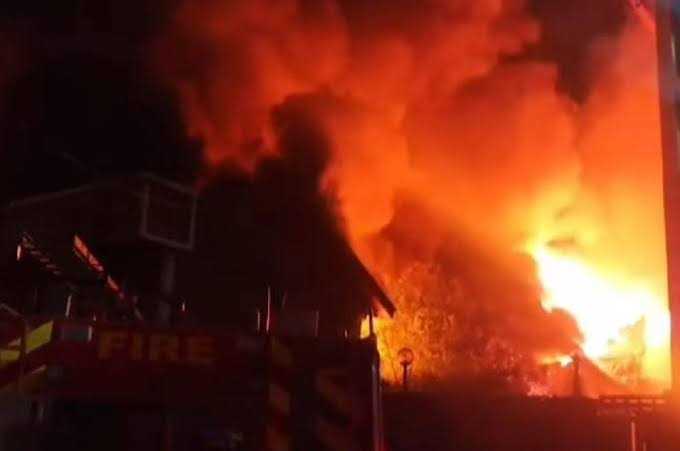
Fire incidents across Jammu and Kashmir are a recurring reminder that disaster prevention is as important as emergency response. Every major blaze leaves behind a trail of destruction—damaged buildings, lost property, disrupted livelihoods and, tragically, human lives. Yet, the question remains: why does the administration continue to respond after fires occur rather than prevent them through systematic planning?Jammu and Kashmir urgently needs a comprehensive, time-bound fire safety audit of government buildings, educational institutions, hospitals, offices, warehouses, commercial establishments and public infrastructure. The exercise must identify structural weaknesses, faulty electrical installations, inadequate firefighting equipment, blocked emergency exits and violations of safety norms. Government buildings deserve particular attention. Many offices operate from ageing structures with outdated wiring, overcrowded rooms and inadequate fire protection systems. Hospitals and schools, which accommodate vulnerable populations, cannot afford even the slightest compromise. A fire in such facilities can quickly turn into a major tragedy.The government must move beyond routine inspections and introduce a comprehensive Fire Prevention and Safety Policy for the Union Territory. It should prescribe mandatory annual fire audits, regular electrical inspections, functional alarms, extinguishers, sprinkler systems, emergency exits and evacuation plans. Every department must be held accountable, with responsibility clearly assigned to designated officers. Fire safety certificates should not remain mere administrative formalities. Their renewal must depend on physical verification by qualified personnel. Buildings violating safety standards should be given strict deadlines to rectify deficiencies, while deliberate non-compliance must invite penalties. Equally important is strengthening the Fire and Emergency Services Department. Fire stations need adequate manpower, modern equipment, specialised vehicles and better access to congested neighbourhoods. Where narrow lanes obstruct fire tenders, alternative access arrangements and community-based emergency response mechanisms must be developed. Electrical short circuits, heating appliances, unsafe cooking arrangements and careless handling of inflammable materials are among the preventable causes of fires. Public awareness campaigns, mock drills and basic fire-safety training should become routine in schools, hospitals, government offices and residential colonies. A digital fire-safety database can help monitor inspections, identify high-risk buildings and track compliance. Independent audits and public disclosure of safety status would further strengthen accountability. Jammu and Kashmir cannot afford to treat every fire as an isolated incident. Dense settlements, ageing infrastructure and seasonal risks make preparedness indispensable. The government must act before another devastating blaze exposes the same institutional shortcomings. A comprehensive fire audit followed by a binding safety policy is not an administrative luxury; it is a public safety necessity. Prevention is always cheaper than reconstruction—and far less painful than losing human lives.
Fire incidents across Jammu and Kashmir are a recurring reminder that disaster prevention is as important as emergency response. Every major blaze leaves behind a trail of destruction—damaged buildings, lost property, disrupted livelihoods and, tragically, human lives. Yet, the question remains: why does the administration continue to respond after fires occur rather than prevent them through systematic planning?Jammu and Kashmir urgently needs a comprehensive, time-bound fire safety audit of government buildings, educational institutions, hospitals, offices, warehouses, commercial establishments and public infrastructure. The exercise must identify structural weaknesses, faulty electrical installations, inadequate firefighting equipment, blocked emergency exits and violations of safety norms. Government buildings deserve particular attention. Many offices operate from ageing structures with outdated wiring, overcrowded rooms and inadequate fire protection systems. Hospitals and schools, which accommodate vulnerable populations, cannot afford even the slightest compromise. A fire in such facilities can quickly turn into a major tragedy.The government must move beyond routine inspections and introduce a comprehensive Fire Prevention and Safety Policy for the Union Territory. It should prescribe mandatory annual fire audits, regular electrical inspections, functional alarms, extinguishers, sprinkler systems, emergency exits and evacuation plans. Every department must be held accountable, with responsibility clearly assigned to designated officers. Fire safety certificates should not remain mere administrative formalities. Their renewal must depend on physical verification by qualified personnel. Buildings violating safety standards should be given strict deadlines to rectify deficiencies, while deliberate non-compliance must invite penalties. Equally important is strengthening the Fire and Emergency Services Department. Fire stations need adequate manpower, modern equipment, specialised vehicles and better access to congested neighbourhoods. Where narrow lanes obstruct fire tenders, alternative access arrangements and community-based emergency response mechanisms must be developed. Electrical short circuits, heating appliances, unsafe cooking arrangements and careless handling of inflammable materials are among the preventable causes of fires. Public awareness campaigns, mock drills and basic fire-safety training should become routine in schools, hospitals, government offices and residential colonies. A digital fire-safety database can help monitor inspections, identify high-risk buildings and track compliance. Independent audits and public disclosure of safety status would further strengthen accountability. Jammu and Kashmir cannot afford to treat every fire as an isolated incident. Dense settlements, ageing infrastructure and seasonal risks make preparedness indispensable. The government must act before another devastating blaze exposes the same institutional shortcomings. A comprehensive fire audit followed by a binding safety policy is not an administrative luxury; it is a public safety necessity. Prevention is always cheaper than reconstruction—and far less painful than losing human lives.

© Copyright 2023 brighterkashmir.com All Rights Reserved. Quantum Technologies