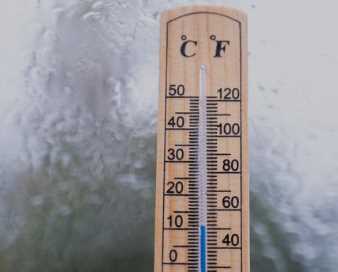
Srinagar, Nov 15: The world famous ski resort of Gulmarg in north Kashmir's Baramulla district recorded the coldest night of the winter season so far, with the minimum temperature settling at minus 2.5 degrees Celsius, as fresh snowfall covered several higher-altitude areas of Jammu and Kashmir, bringing a further dip in temperatures.
As per MeT official, the night temperature in Gulmarg settled at -2.5 degrees Celsius, which was 1.9 degrees below its seasonal normal of minus 0.6 degrees Celsius.
“The minimum temperature in Srinagar settled at 3.3 degrees Celsius, which was 2.0 degrees above the seasonal normal of 1.3 degrees Celsius,” he said.
Qazigund recorded a minimum temperature of 3.4 degrees Celsius against the normal of 1.1 degrees
Celsius, while Pahalgam recorded 2.8 degrees Celsius against the normal of minus 1.2 degrees Celsius.
In Kupwara, the minimum temperature settled at 4.0 degrees Celsius, which was 3.7 degrees above the normal of 0.3 degrees Celsius.
Kokernag recorded a minimum of 3.5 degrees Celsius against the normal of 2.2 degrees Celsius.
Reports said fresh snowfall of approximately 1-2 inches was recorded in Sonamarg, Gurez Valley and Zojila Pass during the intervening night of Saturday and Sunday.
Gulmarg also witnessed a light spell of snowfall, although no significant accumulation was reported on the ground.
Light snowfall was also reported at Sinthan Top, Margan Top and Peer Ki Gali during the early morning hours on Sunday, indicating continued winter activity across the higher reaches of the Union Territory.
The fresh precipitation marks a further transition towards winter in the Valley, where temperatures generally begin declining during November. The region's harshest 40-day winter period, known as Chillai Kalan, begins on December 21 and lasts until January 30.
Meanwhile, the Meteorological Department has forecast generally dry weather across Jammu and Kashmir from November 15 to 21, with partly cloudy conditions likely towards November 20 and 21.

Srinagar, Nov 15: The world famous ski resort of Gulmarg in north Kashmir's Baramulla district recorded the coldest night of the winter season so far, with the minimum temperature settling at minus 2.5 degrees Celsius, as fresh snowfall covered several higher-altitude areas of Jammu and Kashmir, bringing a further dip in temperatures.
As per MeT official, the night temperature in Gulmarg settled at -2.5 degrees Celsius, which was 1.9 degrees below its seasonal normal of minus 0.6 degrees Celsius.
“The minimum temperature in Srinagar settled at 3.3 degrees Celsius, which was 2.0 degrees above the seasonal normal of 1.3 degrees Celsius,” he said.
Qazigund recorded a minimum temperature of 3.4 degrees Celsius against the normal of 1.1 degrees
Celsius, while Pahalgam recorded 2.8 degrees Celsius against the normal of minus 1.2 degrees Celsius.
In Kupwara, the minimum temperature settled at 4.0 degrees Celsius, which was 3.7 degrees above the normal of 0.3 degrees Celsius.
Kokernag recorded a minimum of 3.5 degrees Celsius against the normal of 2.2 degrees Celsius.
Reports said fresh snowfall of approximately 1-2 inches was recorded in Sonamarg, Gurez Valley and Zojila Pass during the intervening night of Saturday and Sunday.
Gulmarg also witnessed a light spell of snowfall, although no significant accumulation was reported on the ground.
Light snowfall was also reported at Sinthan Top, Margan Top and Peer Ki Gali during the early morning hours on Sunday, indicating continued winter activity across the higher reaches of the Union Territory.
The fresh precipitation marks a further transition towards winter in the Valley, where temperatures generally begin declining during November. The region's harshest 40-day winter period, known as Chillai Kalan, begins on December 21 and lasts until January 30.
Meanwhile, the Meteorological Department has forecast generally dry weather across Jammu and Kashmir from November 15 to 21, with partly cloudy conditions likely towards November 20 and 21.

© Copyright 2023 brighterkashmir.com All Rights Reserved. Quantum Technologies