
BREAKING NEWS
Known for its cool climate and snow-capped mountains, Jammu and Kashmir is witnessing an alarming rise in temperatures. While the Jammu plains have traditionally experienced hot summers, the Kashmir Valley is now recording unusually high temperatures that were once considered rare.
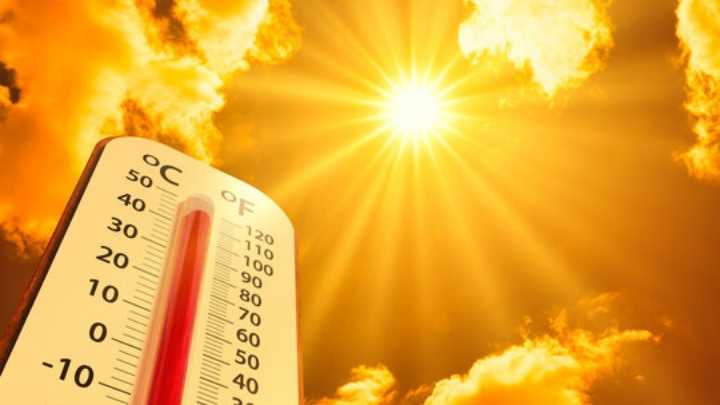
In June 2026, the region experienced severe heat stress. Jammu city recorded 44.7°C, nearly 6°C above normal, while Samba touched 46.8°C and Kathua reached 43.8°C, prompting the Meteorological Department to issue a heatwave alert. Hospitals also reported an increase in heatstroke and dehydration cases.
The Kashmir Valley was not spared. Srinagar recorded 33.8°C, about 4°C above normal, while Qazigund (34.6°C) and Kokernag (32.9°C) registered temperatures 7–8°C above average. Residents and tourists sought relief in streams and parks as the heat intensified.
Why Is J&K Getting Hotter?
Experts attribute the heat to a combination of factors. A delayed monsoon and the interaction of dry westerly winds with moisture-laden Arabian Sea winds have kept temperatures and humidity unusually high. The India Meteorological Department (IMD) had already forecast above-normal heatwave days across northwest India, including Jammu and Kashmir. Adding to the problem, the Union Territory recorded a 26% rainfall deficit by mid-June, with Samba and Kathua receiving significantly below-normal rainfall.
Impact on Daily Life
The heatwave has affected health, education, and infrastructure. Authorities have advised people to remain indoors between 12 pm and 4 pm, while cases of heat exhaustion continue to rise. Schools in Jammu's summer zone announced early summer vacations. Meanwhile, excessive electricity demand has damaged power transformers and cables in several districts, leading to disruptions.
Relief in Sight
Weather forecasts indicate some respite. Light to moderate rainfall and thunderstorms are expected across Jammu and Kashmir, while a fresh Western Disturbance in early July is likely to bring cooler temperatures and widespread showers.
Staying Safe
Authorities recommend staying hydrated, avoiding outdoor activities during peak afternoon hours, wearing light cotton clothing, and taking extra precautions for children, elderly people, pregnant women, and outdoor workers.
The Bigger Picture
The recent heatwave shows that extreme summer temperatures are no longer confined to the Jammu plains. With the Kashmir Valley also experiencing record-breaking heat, changing climate patterns are becoming increasingly evident. While upcoming rainfall may offer temporary relief, the trend highlights the need for long-term planning to strengthen water management, public health, and power infrastructure across Jammu and Kashmir.
Email:---------------------------shaziyahassan019@gmail.com
Known for its cool climate and snow-capped mountains, Jammu and Kashmir is witnessing an alarming rise in temperatures. While the Jammu plains have traditionally experienced hot summers, the Kashmir Valley is now recording unusually high temperatures that were once considered rare.
In June 2026, the region experienced severe heat stress. Jammu city recorded 44.7°C, nearly 6°C above normal, while Samba touched 46.8°C and Kathua reached 43.8°C, prompting the Meteorological Department to issue a heatwave alert. Hospitals also reported an increase in heatstroke and dehydration cases.
The Kashmir Valley was not spared. Srinagar recorded 33.8°C, about 4°C above normal, while Qazigund (34.6°C) and Kokernag (32.9°C) registered temperatures 7–8°C above average. Residents and tourists sought relief in streams and parks as the heat intensified.
Why Is J&K Getting Hotter?
Experts attribute the heat to a combination of factors. A delayed monsoon and the interaction of dry westerly winds with moisture-laden Arabian Sea winds have kept temperatures and humidity unusually high. The India Meteorological Department (IMD) had already forecast above-normal heatwave days across northwest India, including Jammu and Kashmir. Adding to the problem, the Union Territory recorded a 26% rainfall deficit by mid-June, with Samba and Kathua receiving significantly below-normal rainfall.
Impact on Daily Life
The heatwave has affected health, education, and infrastructure. Authorities have advised people to remain indoors between 12 pm and 4 pm, while cases of heat exhaustion continue to rise. Schools in Jammu's summer zone announced early summer vacations. Meanwhile, excessive electricity demand has damaged power transformers and cables in several districts, leading to disruptions.
Relief in Sight
Weather forecasts indicate some respite. Light to moderate rainfall and thunderstorms are expected across Jammu and Kashmir, while a fresh Western Disturbance in early July is likely to bring cooler temperatures and widespread showers.
Staying Safe
Authorities recommend staying hydrated, avoiding outdoor activities during peak afternoon hours, wearing light cotton clothing, and taking extra precautions for children, elderly people, pregnant women, and outdoor workers.
The Bigger Picture
The recent heatwave shows that extreme summer temperatures are no longer confined to the Jammu plains. With the Kashmir Valley also experiencing record-breaking heat, changing climate patterns are becoming increasingly evident. While upcoming rainfall may offer temporary relief, the trend highlights the need for long-term planning to strengthen water management, public health, and power infrastructure across Jammu and Kashmir.
Email:---------------------------shaziyahassan019@gmail.com

© Copyright 2023 brighterkashmir.com All Rights Reserved. Quantum Technologies