
BREAKING NEWS
At least four hospitals in Srinagar are understood to be located within or close to densely populated residential neighbourhoods. This number and the associated risks should be verified through an official survey. The issue is not whether hospitals should operate in residential areas, but whether their locations, access routes, surrounding structures and emergency arrangements meet present-day safety requirements.
A fire in the locality around Karan Nagar, Srinagar, has raised an urgent question: are hospitals adequately prepared for emergencies originating not only within their premises but also in surrounding neighbourhoods?
I extend my heartfelt appreciation to Karan Nagar Police and the Fire and Emergency Services team for their timely response, commendable rescue efforts and dedication in protecting patients, safeguarding costly equipment and preventing the fire from spreading. Their courage, professionalism and selfless service deserve recognition.
However, the incident also highlights the vulnerability of hospitals located in densely populated residential areas. A fire in a neighbouring building can disrupt healthcare services, obstruct ambulance access, threaten essential infrastructure and expose patients to smoke, soot, firefighting water and other hazards.
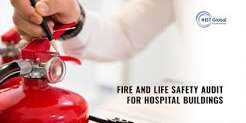
Hospital safety must therefore extend beyond the installation of fire extinguishers and alarms. It must encompass the entire environment in which healthcare is delivered.
When Neighbourhoods Become a Risk
Srinagar’s congested settlements pose distinctive challenges for emergency response. Narrow lanes, closely spaced buildings, parked vehicles and limited turning space can delay fire tenders and restrict ambulance movement. In an emergency, every minute matters.
At least four hospitals in Srinagar are understood to be located within or close to densely populated residential neighbourhoods. This number and the associated risks should be verified through an official survey.
The issue is not whether hospitals should operate in residential areas, but whether their locations, access routes, surrounding structures and emergency arrangements meet present-day safety requirements.
Authorities must examine how these facilities were approved, whether surrounding hazards were adequately assessed and whether changing urban conditions have compromised emergency access.
These are legitimate public-safety concerns that warrant an evidence-based review.
Audit Hospitals Urgently
I urge the Health Minister to initiate an independent fire and emergency risk audit of hospitals across Kashmir, prioritising facilities situated in congested neighbourhoods or near buildings posing significant fire hazards.
The exercise must go beyond paperwork and certificates. It should assess the functionality of fire alarms, accessibility of emergency exits, condition of electrical installations, availability of firefighting equipment and access for emergency vehicles.
Potential hazards involving oxygen supplies, generators, kitchens, storage areas and other critical infrastructure must also be examined.
Equally important is staff preparedness. Doctors, nurses, technicians, security personnel and housekeeping staff must know their responsibilities during an emergency, including whom to alert, which evacuation routes to follow and where patients should be moved.
I recommend conducting realistic mock drills at least twice a year, with participation from hospital staff, fire services and other relevant emergency agencies.
A written safety plan is of little value if the people responsible for implementing it have never practised it.
Evacuation Needs Planning
Evacuating a hospital is fundamentally different from evacuating an office or residential building. Patients may be unconscious, immobile, oxygen-dependent or critically ill. Many require continuous monitoring, medication and life-support equipment.
Intensive care units present particular challenges. Hospitals must establish clear protocols for deciding when to evacuate patients, identifying safe receiving areas and maintaining oxygen, power, monitoring and essential treatment during transfers.
Plans must specify suitable evacuation equipment, trained personnel and procedures for maintaining patient identification, clinical records and essential medicines. Laboratories and pharmacies must also have arrangements to protect critical samples, medicines and supplies.
Such decisions cannot be improvised in smoke-filled corridors amid panic and confusion.
Fire Safety and Infection Control
The dangers may continue even after flames have been extinguished. Firefighting water, soot and debris can contaminate clinical areas, damage electrical systems and compromise equipment or controlled environments.
Contamination does not automatically result in infection, but affected areas require professional assessment, appropriate cleaning and disinfection, equipment checks and formal clearance before services resume.
Hospitals must involve infection-prevention teams, engineers, facilities managers and clinical administrators in post-fire assessments. Emergency preparedness should address secondary hazards as carefully as the immediate threat.
Prevention cannot Wait
The Karan Nagar incident should serve as a warning against treating hospital fire safety as a routine compliance exercise. Authorities must identify vulnerable facilities, improve emergency access, strengthen evacuation arrangements and ensure regular coordination between hospitals, police and fire services.
Hospitals exist to save lives. Their patients must not become more vulnerable because of inadequate planning or preventable risks in their surroundings.
The timely response of Karan Nagar Police and the Fire and Emergency Services deserves applause. The next step must be equally decisive: a comprehensive review of hospital safety across Kashmir to ensure that preparedness, rather than luck, determines the outcome of the next emergency.
Email:------------------------------drfiazfazili@gmail.com

© Copyright 2023 brighterkashmir.com All Rights Reserved. Quantum Technologies