
BREAKING NEWS
The oneness of Kashmir can be recognized and identified in its culture, traditions, and practices. It can be seen that temples, mosques, shrines and gurudwaras are usually very close
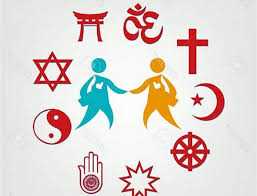
The interfaith harmony witnessed in Jammu and Kashmir has been a very natural and integral phenomenon for generations. Despite so many challenges and difficulties being witnessed all these years, Muslims, Hindus, Sikhs, and Buddhists have co-existed and lived with mutual respect, understanding, and love. The spirit of Kashmiriat, which propagates love, kindness, and oneness, has brought about generations of people’s conduct. All these factors are very much reflected on a day-to-day basis, as people have been helping and assisting each other. An important role here has also been played by the Indian Army, which brought about an atmosphere and made it possible for peace and oneness to develop there.
The oneness of Kashmir can be recognized and identified in its culture, traditions, and practices. It can be seen that temples, mosques, shrines and gurudwaras are usually very close. It was a practice that people used to visit each other’s homes and people would greet each other during various festivals. Special occasions were also celebrated together. But even at times when life was tough, people ensured that religious places and traditions were maintained. Examples about helping each other out either at times of festivals, assisting with rituals, and also taking care of old sites belonging to religion, would indicate that harmony and concord are a part and parcel of life within Kashmir.
The Kheer Bhawani Mela held at Tulmulla represents an excellent instance of this unity. It remains a common sight at the temple to find Kashmiri Pandits offering prayers, while Muslim families from various surrounding villages extend active cooperation as regards organization and proper conduct on site. As a result, this event becomes an embodiment of unity and happiness among various universal values. A similar event can be witnessed at the Urs of Shah-Hamdan, which occurs at Khanqah-E-Moula, Srinagar. And it becomes an apt sight at these places because people belonging to various religions make it a point to participate. It becomes an embodiment of love and gentle actions, as it represents an arena with the presence of Sufi concepts and values. Various such festivals are usually held at about this time and thus occur in harmony within Kashmir.
In some villages, old temples, which had been lying abandoned for several decades, were again reopened with the active help of Muslim neighbours. It may be noted here that these very Muslims had been taking care of these temples even if the Pandit families were not residing there. The reopening ceremony of the Sharada Bhawani temple at Budgam marked an emotional return for the whole village. Muslims there cleaned up the area and helped with rituals, and they welcomed Pandit families with open arms. It shows that harmony can be maintained at two levels: at an institutional level as well as at an individual level.
The daily life in Kashmir also involves very elementary yet efficient ways of living in harmony. At Trehgam, Kupwara, a mosque and a temple coexist with their courtyards housing common playtime for kids, and mutual respect prevails for prayer times. Across the Kashmir Valley, people call on each other at times of weddings, offer consolations in times of grief, and support in times of needs. It is these tiny yet consistent efforts that hold the fort for harmony among different communities and thus allow peace to flourish even amidst tough phases.
The Indian Army has played an imperative and historic role in spreading peace and helping inter-community unity. The sense of security has enabled people to participate in religion-based events, observe festivals, and move about without fear. Large festivals such as Eid, Navreh, Diwali, Guru Purab, and Amarnath Yatra have become successful with proper organization and help from the Indian Army. It goes without saying that people have enjoyed optimal opportunities to be active members of society due to a sense of security.
Operation Sadbhavana, conducted by the Army, has launched various welfare and development activities. Schools opened as a result of Operation Sadbhavana are open to children belonging to all religions and enable them to learn and develop side-by-side. Medical camps offer free medical facilities to people belonging to different communities, and community halls are used for cultural and community meetings. All these activities address various needs and thus develop a sense among people to work together.
The Army also lays equal emphasis on youth-engaging activities, such as coaching classes, sporting events, and career guidance sessions. Children and youngsters belonging to various communities, engaged in collective learning, playing, and training, forge lifelong bonds and associations. Events like Army vs. Civilian cricket matches, Football rallies, Cultural Festivals, and Village Interaction Sessions help break societal confines and generate a sense of closeness. The presence of soldiers within villages, especially during harsh winter months, medical emergencies, or accidents on roads, brings immediate assistance and enhances feelings of safety and trust.
Across the Valley, small acts of kindness and goodness showcase what Kashmir really is. Muslims indulging in lamp arrangements at temples, Pandits wishing Eid Mubarak, Sikhs extending help during times of need, and youngsters taking on cleanliness drives side by side are all instances of humanity. In times of snowfall, accidents, and medical problems, people have jointly united without any consideration for religion and have shown that it is humanity and kindness that are their biggest inspirations.
Nonetheless, these stories of oneness bring hope for the future. The inter-faith harmony among the people of Jammu and Kashmir still prevails due to traditions shared, communications with mutual respect, and cooperation. By ensuring greater security and initiating active community support programs, there is yet more trust and kindness towards peace among the people.
From the experiences of harmony in J&K, we learn about coexisting and living with gentleness and understanding. It depicts an authentic picture of Kashmir, and it represents its spirit, which encompasses a great deal of mercy, diversity, and humanity. It illustrates and reminds us that the sense of oneness within Jammu and Kashmir will lead it towards a brighter and more peaceful future.
Email:----------------------aaliyasyedkmr@gmail.com
The oneness of Kashmir can be recognized and identified in its culture, traditions, and practices. It can be seen that temples, mosques, shrines and gurudwaras are usually very close
The interfaith harmony witnessed in Jammu and Kashmir has been a very natural and integral phenomenon for generations. Despite so many challenges and difficulties being witnessed all these years, Muslims, Hindus, Sikhs, and Buddhists have co-existed and lived with mutual respect, understanding, and love. The spirit of Kashmiriat, which propagates love, kindness, and oneness, has brought about generations of people’s conduct. All these factors are very much reflected on a day-to-day basis, as people have been helping and assisting each other. An important role here has also been played by the Indian Army, which brought about an atmosphere and made it possible for peace and oneness to develop there.
The oneness of Kashmir can be recognized and identified in its culture, traditions, and practices. It can be seen that temples, mosques, shrines and gurudwaras are usually very close. It was a practice that people used to visit each other’s homes and people would greet each other during various festivals. Special occasions were also celebrated together. But even at times when life was tough, people ensured that religious places and traditions were maintained. Examples about helping each other out either at times of festivals, assisting with rituals, and also taking care of old sites belonging to religion, would indicate that harmony and concord are a part and parcel of life within Kashmir.
The Kheer Bhawani Mela held at Tulmulla represents an excellent instance of this unity. It remains a common sight at the temple to find Kashmiri Pandits offering prayers, while Muslim families from various surrounding villages extend active cooperation as regards organization and proper conduct on site. As a result, this event becomes an embodiment of unity and happiness among various universal values. A similar event can be witnessed at the Urs of Shah-Hamdan, which occurs at Khanqah-E-Moula, Srinagar. And it becomes an apt sight at these places because people belonging to various religions make it a point to participate. It becomes an embodiment of love and gentle actions, as it represents an arena with the presence of Sufi concepts and values. Various such festivals are usually held at about this time and thus occur in harmony within Kashmir.
In some villages, old temples, which had been lying abandoned for several decades, were again reopened with the active help of Muslim neighbours. It may be noted here that these very Muslims had been taking care of these temples even if the Pandit families were not residing there. The reopening ceremony of the Sharada Bhawani temple at Budgam marked an emotional return for the whole village. Muslims there cleaned up the area and helped with rituals, and they welcomed Pandit families with open arms. It shows that harmony can be maintained at two levels: at an institutional level as well as at an individual level.
The daily life in Kashmir also involves very elementary yet efficient ways of living in harmony. At Trehgam, Kupwara, a mosque and a temple coexist with their courtyards housing common playtime for kids, and mutual respect prevails for prayer times. Across the Kashmir Valley, people call on each other at times of weddings, offer consolations in times of grief, and support in times of needs. It is these tiny yet consistent efforts that hold the fort for harmony among different communities and thus allow peace to flourish even amidst tough phases.
The Indian Army has played an imperative and historic role in spreading peace and helping inter-community unity. The sense of security has enabled people to participate in religion-based events, observe festivals, and move about without fear. Large festivals such as Eid, Navreh, Diwali, Guru Purab, and Amarnath Yatra have become successful with proper organization and help from the Indian Army. It goes without saying that people have enjoyed optimal opportunities to be active members of society due to a sense of security.
Operation Sadbhavana, conducted by the Army, has launched various welfare and development activities. Schools opened as a result of Operation Sadbhavana are open to children belonging to all religions and enable them to learn and develop side-by-side. Medical camps offer free medical facilities to people belonging to different communities, and community halls are used for cultural and community meetings. All these activities address various needs and thus develop a sense among people to work together.
The Army also lays equal emphasis on youth-engaging activities, such as coaching classes, sporting events, and career guidance sessions. Children and youngsters belonging to various communities, engaged in collective learning, playing, and training, forge lifelong bonds and associations. Events like Army vs. Civilian cricket matches, Football rallies, Cultural Festivals, and Village Interaction Sessions help break societal confines and generate a sense of closeness. The presence of soldiers within villages, especially during harsh winter months, medical emergencies, or accidents on roads, brings immediate assistance and enhances feelings of safety and trust.
Across the Valley, small acts of kindness and goodness showcase what Kashmir really is. Muslims indulging in lamp arrangements at temples, Pandits wishing Eid Mubarak, Sikhs extending help during times of need, and youngsters taking on cleanliness drives side by side are all instances of humanity. In times of snowfall, accidents, and medical problems, people have jointly united without any consideration for religion and have shown that it is humanity and kindness that are their biggest inspirations.
Nonetheless, these stories of oneness bring hope for the future. The inter-faith harmony among the people of Jammu and Kashmir still prevails due to traditions shared, communications with mutual respect, and cooperation. By ensuring greater security and initiating active community support programs, there is yet more trust and kindness towards peace among the people.
From the experiences of harmony in J&K, we learn about coexisting and living with gentleness and understanding. It depicts an authentic picture of Kashmir, and it represents its spirit, which encompasses a great deal of mercy, diversity, and humanity. It illustrates and reminds us that the sense of oneness within Jammu and Kashmir will lead it towards a brighter and more peaceful future.
Email:----------------------aaliyasyedkmr@gmail.com

© Copyright 2023 brighterkashmir.com All Rights Reserved. Quantum Technologies