
BREAKING NEWS
As a common Kashmiri, I ask the international community to look beyond balance sheets and statements. Funding a state that fails to protect its minorities and continues to nurture terror only ensures that violence travels further, not that stability returns.
When I read about the suicide blast in Islamabad, it did not come as a surprise. That reaction itself demands an explanation. Why should an attack of this nature, in a country’s capital, feel predictable? Because blasts, bullets, and terrorism are not aberrations in Pakistan. They are recurring features of its political and security history, present in different forms since the country’s inception. Violence has moved from the fringes to the mainstream, from conflict zones to urban centres, and now into the heart of the capital. Two aspects of this attack require immediate attention. First, the location. Islamabad has largely been projected as insulated from the violence that afflicts Pakistan’s peripheries. An attack here punctures that carefully maintained narrative of control, security, and stability that the state projects both domestically and internationally. Second, and more disturbingly familiar, is the target. The mosque belonged to the Shia community, a sect that has for decades faced systematic discrimination, exclusion, and violence. Sectarian terror in Pakistan is neither spontaneous nor isolated. It is the outcome of years of ideological grooming, selective crackdowns, and a security apparatus that has failed to confront extremist groups with consistency or sincerity.
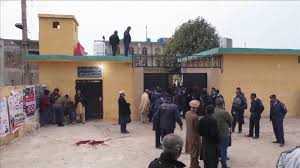
My heart goes out to those who lost their lives. But mourning alone cannot replace analysis. What happened in Islamabad demands a closer examination of Pakistan’s handling of terrorism and the deep state structures that continue to grapple with forces they once enabled, tolerated, or chose to ignore.On Friday, a suicide bomber struck a Shia mosque in the Tarlai Kalan area on the outskirts of Islamabad during Friday prayers. The explosion tore through the crowded courtyard and prayer hall, killing at least thirty people and injuring many more, including women and children. Hospitals in the capital declared emergencies as scenes of bloodied carpets, shattered glass, and panic unfolded. Masjid Khadija Tul Kubra, filled with worshippers’ moments earlier, became a site of sudden carnage.
An attack in Islamabad raises uncomfortable questions about the state’s security architecture. It forces scrutiny of intelligence networks, policing mechanisms, and political oversight meant to safeguard the most sensitive zones of the country. If such a breach is possible in the capital, it exposes deeper structural vulnerabilities rather than isolated lapses. There are also broader diplomatic implications. Capitals host foreign embassies, diplomats, and international missions. If a suicide attack can occur in Islamabad, assurances regarding the safety of foreign nationals begin to ring hollow, directly affecting Pakistan’s diplomatic credibility. The sectarian dimension of this attack is neither incidental nor accidental. Targeting a Shia place of worship places the violence within a long and bloody pattern Pakistan has repeatedly failed to confront. For decades, Shia Muslims have lived under a constant shadow of fear. From targeted killings of professionals and clerics to mass-casualty attacks on religious gatherings and processions, the community has been systematically targeted. Independent estimates suggest that thousands of Shias have been killed in sectarian attacks over the past three decades, yet accountability remains elusive and justice largely symbolic.
Parachinar stands as one of the starkest examples. Located in the Kurram region, it has witnessed repeated attacks on Shia civilians, including bombings in markets, ambushes on convoys, and prolonged sieges that cut off food and medical supplies. Entire populations were held hostage while the state responded only after public outrage forced its hand. Even then, responses were temporary and reactive. Similar patterns unfolded in Quetta, where the Hazara Shia community faced relentless violence. Bus bombings, suicide attacks, and targeted assassinations turned neighbourhoods into open-air prisons, exposing the gap between security theatre and genuine protection. What sustains sectarian violence in Pakistan is the ecosystem that enables it. Extremist groups preaching hatred against Shias have operated openly for years, holding rallies, publishing literature, and mobilising supporters. Bans are announced, only to be circumvented through rebranding. Leaders are detained briefly, then released. The message is unmistakable: sectarian hate is tolerable so long as it does not directly threaten the state.
Zxsde3,,,. This was not due to the absence of provocation, but because society itself rejected it. Srinagar’s parliamentary constituency, with a largely Sunni electorate, elected Aga Ruhullah Mehdi, a Shia cleric, as its representative, reflecting political trust rather than sectarian identity.
To understand why attacks like this recur, one must confront Pakistan’s deepest structural failure: its selective approach to terrorism. For decades, the state has drawn artificial distinctions between acceptable and unacceptable terrorists. Some were crushed, others tolerated or redirected. Terrorist groups that served short-term strategic interests were allowed to grow. When pressure mounted, cosmetic actions followed. Organisations were renamed, leaders briefly detained, while the ideology remained intact. This selective enforcement produced predictable consequences. Terrorists do not remain loyal to frameworks designed by the state. They fragment, radicalise further, and eventually turn inward. The Islamabad attack is not merely an intelligence failure. It is the outcome of years of policy contradictions. Terrorism is treated as a law-and-order issue rather than an ideological and institutional one, rendering every claim of security fragile.
This reality places an unavoidable responsibility on international financial institutions and donor states. Loans and bailouts to Pakistan cannot remain detached from ground realities. When public money flows into a system that has failed to dismantle terrorist networks, protect minorities, or prevent the export of violence, that money risks complicity. The international community’s reliance on caution and convenience has produced repetition, not reform. It is time for scrutiny, conditionality, and consequences. As a Kashmiri Muslim, this is not an abstract debate. I have seen how societies resist sectarian fracture and how states collapse inward when they nurture hatred. Silence and indulgence carry costs. Today, those costs are being paid in lives.
Email: ------------------Alizaroon112@gmail.com
As a common Kashmiri, I ask the international community to look beyond balance sheets and statements. Funding a state that fails to protect its minorities and continues to nurture terror only ensures that violence travels further, not that stability returns.
When I read about the suicide blast in Islamabad, it did not come as a surprise. That reaction itself demands an explanation. Why should an attack of this nature, in a country’s capital, feel predictable? Because blasts, bullets, and terrorism are not aberrations in Pakistan. They are recurring features of its political and security history, present in different forms since the country’s inception. Violence has moved from the fringes to the mainstream, from conflict zones to urban centres, and now into the heart of the capital. Two aspects of this attack require immediate attention. First, the location. Islamabad has largely been projected as insulated from the violence that afflicts Pakistan’s peripheries. An attack here punctures that carefully maintained narrative of control, security, and stability that the state projects both domestically and internationally. Second, and more disturbingly familiar, is the target. The mosque belonged to the Shia community, a sect that has for decades faced systematic discrimination, exclusion, and violence. Sectarian terror in Pakistan is neither spontaneous nor isolated. It is the outcome of years of ideological grooming, selective crackdowns, and a security apparatus that has failed to confront extremist groups with consistency or sincerity.
My heart goes out to those who lost their lives. But mourning alone cannot replace analysis. What happened in Islamabad demands a closer examination of Pakistan’s handling of terrorism and the deep state structures that continue to grapple with forces they once enabled, tolerated, or chose to ignore.On Friday, a suicide bomber struck a Shia mosque in the Tarlai Kalan area on the outskirts of Islamabad during Friday prayers. The explosion tore through the crowded courtyard and prayer hall, killing at least thirty people and injuring many more, including women and children. Hospitals in the capital declared emergencies as scenes of bloodied carpets, shattered glass, and panic unfolded. Masjid Khadija Tul Kubra, filled with worshippers’ moments earlier, became a site of sudden carnage.
An attack in Islamabad raises uncomfortable questions about the state’s security architecture. It forces scrutiny of intelligence networks, policing mechanisms, and political oversight meant to safeguard the most sensitive zones of the country. If such a breach is possible in the capital, it exposes deeper structural vulnerabilities rather than isolated lapses. There are also broader diplomatic implications. Capitals host foreign embassies, diplomats, and international missions. If a suicide attack can occur in Islamabad, assurances regarding the safety of foreign nationals begin to ring hollow, directly affecting Pakistan’s diplomatic credibility. The sectarian dimension of this attack is neither incidental nor accidental. Targeting a Shia place of worship places the violence within a long and bloody pattern Pakistan has repeatedly failed to confront. For decades, Shia Muslims have lived under a constant shadow of fear. From targeted killings of professionals and clerics to mass-casualty attacks on religious gatherings and processions, the community has been systematically targeted. Independent estimates suggest that thousands of Shias have been killed in sectarian attacks over the past three decades, yet accountability remains elusive and justice largely symbolic.
Parachinar stands as one of the starkest examples. Located in the Kurram region, it has witnessed repeated attacks on Shia civilians, including bombings in markets, ambushes on convoys, and prolonged sieges that cut off food and medical supplies. Entire populations were held hostage while the state responded only after public outrage forced its hand. Even then, responses were temporary and reactive. Similar patterns unfolded in Quetta, where the Hazara Shia community faced relentless violence. Bus bombings, suicide attacks, and targeted assassinations turned neighbourhoods into open-air prisons, exposing the gap between security theatre and genuine protection. What sustains sectarian violence in Pakistan is the ecosystem that enables it. Extremist groups preaching hatred against Shias have operated openly for years, holding rallies, publishing literature, and mobilising supporters. Bans are announced, only to be circumvented through rebranding. Leaders are detained briefly, then released. The message is unmistakable: sectarian hate is tolerable so long as it does not directly threaten the state.
Zxsde3,,,. This was not due to the absence of provocation, but because society itself rejected it. Srinagar’s parliamentary constituency, with a largely Sunni electorate, elected Aga Ruhullah Mehdi, a Shia cleric, as its representative, reflecting political trust rather than sectarian identity.
To understand why attacks like this recur, one must confront Pakistan’s deepest structural failure: its selective approach to terrorism. For decades, the state has drawn artificial distinctions between acceptable and unacceptable terrorists. Some were crushed, others tolerated or redirected. Terrorist groups that served short-term strategic interests were allowed to grow. When pressure mounted, cosmetic actions followed. Organisations were renamed, leaders briefly detained, while the ideology remained intact. This selective enforcement produced predictable consequences. Terrorists do not remain loyal to frameworks designed by the state. They fragment, radicalise further, and eventually turn inward. The Islamabad attack is not merely an intelligence failure. It is the outcome of years of policy contradictions. Terrorism is treated as a law-and-order issue rather than an ideological and institutional one, rendering every claim of security fragile.
This reality places an unavoidable responsibility on international financial institutions and donor states. Loans and bailouts to Pakistan cannot remain detached from ground realities. When public money flows into a system that has failed to dismantle terrorist networks, protect minorities, or prevent the export of violence, that money risks complicity. The international community’s reliance on caution and convenience has produced repetition, not reform. It is time for scrutiny, conditionality, and consequences. As a Kashmiri Muslim, this is not an abstract debate. I have seen how societies resist sectarian fracture and how states collapse inward when they nurture hatred. Silence and indulgence carry costs. Today, those costs are being paid in lives.
Email: ------------------Alizaroon112@gmail.com

© Copyright 2023 brighterkashmir.com All Rights Reserved. Quantum Technologies