
BREAKING NEWS
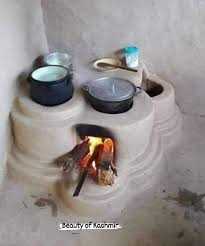
Srinagar, April 3: In the quiet villages of Kashmir, the sight of a woman preparing food on a traditional mud oven—locally known as a chulha—continues to symbolize a deep-rooted cultural heritage that has been passed down through generations.
Amid rapid modernization and the growing use of gas stoves and electric appliances, many households, especially in rural areas, still rely on mud ovens for daily cooking. These ovens, made from clay and organic materials, are not only cost-effective but also impart a distinct flavor to traditional Kashmiri dishes.
For many women, cooking on a mud oven is more than just a routine—it is an art shaped by patience, experience, and cultural knowledge. The slow-cooking process enhances the aroma and taste of local delicacies, from haakh to nadru dishes, making them richer and more authentic.
Elders in the community say that the chulha once formed the heart of every home, where families gathered around warmth during harsh winters. It also played a role in strengthening social bonds, as neighbors often shared food and stories while meals were being prepared.
However, the practice is gradually declining due to urbanization, changing lifestyles, and concerns about smoke and health. Younger generations are increasingly shifting towards modern cooking methods, leading to fears that this traditional skill may fade away over time.
Despite these challenges, efforts are being made by cultural enthusiasts and local communities to preserve this heritage. Many believe that combining tradition with improved, smoke-free designs could help sustain the practice in a modern context.
The image of a Kashmiri woman cooking on a mud oven thus stands as a powerful reminder of resilience, simplicity, and the enduring connection between culture and daily life—an identity that continues to define the Valley’s rich traditions.
Srinagar, April 3: In the quiet villages of Kashmir, the sight of a woman preparing food on a traditional mud oven—locally known as a chulha—continues to symbolize a deep-rooted cultural heritage that has been passed down through generations.
Amid rapid modernization and the growing use of gas stoves and electric appliances, many households, especially in rural areas, still rely on mud ovens for daily cooking. These ovens, made from clay and organic materials, are not only cost-effective but also impart a distinct flavor to traditional Kashmiri dishes.
For many women, cooking on a mud oven is more than just a routine—it is an art shaped by patience, experience, and cultural knowledge. The slow-cooking process enhances the aroma and taste of local delicacies, from haakh to nadru dishes, making them richer and more authentic.
Elders in the community say that the chulha once formed the heart of every home, where families gathered around warmth during harsh winters. It also played a role in strengthening social bonds, as neighbors often shared food and stories while meals were being prepared.
However, the practice is gradually declining due to urbanization, changing lifestyles, and concerns about smoke and health. Younger generations are increasingly shifting towards modern cooking methods, leading to fears that this traditional skill may fade away over time.
Despite these challenges, efforts are being made by cultural enthusiasts and local communities to preserve this heritage. Many believe that combining tradition with improved, smoke-free designs could help sustain the practice in a modern context.
The image of a Kashmiri woman cooking on a mud oven thus stands as a powerful reminder of resilience, simplicity, and the enduring connection between culture and daily life—an identity that continues to define the Valley’s rich traditions.

© Copyright 2023 brighterkashmir.com All Rights Reserved. Quantum Technologies