
BREAKING NEWS
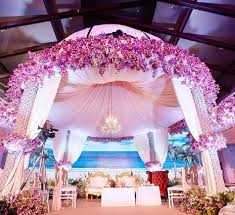
Srinagar, Jan 17: In Kashmir marriage was once less about show-off and more about dignity. Here weddings were marked by simple meals, clothes and heartfelt rituals. Today we have seen a transformation of wedding ceremonies across the valley. From lavish venues, designer outfits, social media celebrations, weddings become a symbol of status rather than sacred unions. This shift has sparked concern among elders and confusion among parents.
Saleema, an elderly woman from downtown Srinagar remembers a time when weddings were simple and stress-free.
Recalling her own marriage she said, “In our days, weddings were not about money. Families did not compete with each other. Food was simple, clothes were ordinary, and no one felt embarrassed if a wedding was low-cost.”
Her reflection carries a sense of pride rather than loss.
Traditionally, Kashmiri marriages were intimate events, often limited to relatives and neighbours. Ceremonies were short, rituals were meaningful, and community members played an active role in preparations. These weddings were affordable and inclusive, allowing families from all economic backgrounds to marry their children without fear of debt. Today, however, weddings are often delayed because families feel unprepared to meet rising expectations.
The younger generation, particularly Gen Z, views marriage through a different view.
Misbah, a 28-year-old Gen Z woman, who recently got married, said, “We respect traditions, but we also live in a different time. People want their wedding to feel special and personal, her statement reflects a generational shift where self-expression plays a central role”.
However, she also recognises the invisible pressure attached to modern celebrations.
“Sometimes you don’t even realise when choice turns into pressure. You start comparing your wedding with others, highlighting how social expectations quietly influence decisions,” she said.
Misbah points to social media as a major factor behind changing wedding trends.
“When you constantly see grand weddings online, simple ceremonies start looking incomplete,” she said.
While she enjoyed her wedding, she feels that the growing culture of comparison is unhealthy. “Lavish weddings should be optional, not compulsory,” she added, suggesting that happiness should not be measured by aesthetics alone.
The changing wedding practices have also drawn concern from professionals and local voices, who observe how modern trends are reshaping the meaning of marriage itself. While innovation and personal expression are not inherently negative, many believe that the growing distance from simplicity is creating emotional, financial, and relational strain
Shoaib, a local cinematographer who frequently documents weddings across the Valley, believes that people today are increasingly drawn toward modern displays rather than traditional values. “Earlier, weddings were about moments and meaning. Now people want cinematic shots, luxury setups, and social media perfection. Modern methods are chosen over traditional ones, sometimes without understanding what we are replacing,” he said.
Many elders believe that the rising complexity of weddings is quietly affecting the stability of marriages. For them, the problem is not modernity itself, but the loss of simplicity that once defined Kashmiri marriages.
Abdul Rehman, an elderly local resident, expressed deep concern over this shift.
“Marriage in Kashmir has changed a lot. Earlier, simplicity kept relationships strong. Today, everything is about show, money, and status. When we stop believing in simplicity, problems enter marriage very early. This change can also be one of the reasons why divorces are increasing,” he said.
Parents, meanwhile, find themselves in a difficult position.
A parent from Srinagar, whose children are getting married next year, said, “We are stuck in between. We understand tradition, but our children have very high expectations. They want big venues, designer clothes, and everything perfect”.
In their opinion, they said, weddings have become emotionally and financially exhausting for families. “Sometimes we don’t know whether we are arranging a marriage or fulfilling a list of demands”.
The changing nature of marriage traditions reflects a society standing at a crossroads.
On one side lies a past rooted in simplicity, collective responsibility, and emotional depth; on the other hand, visibility, and social comparison trend continues, marriage may slowly become something only rich people can afford.
Kashmir has always been known for its strong sense of community and balance in social life. To protect this, there is a need to rethink how weddings are celebrated, where people can choose simplicity. A wedding should be a happy occasion, not a source of stress or pressure. It should mark the coming together of two lives, not become a show of money and status. By keeping moderation along with modern ideas, Kashmiri society can move forward while still holding on to its cultural values.
Srinagar, Jan 17: In Kashmir marriage was once less about show-off and more about dignity. Here weddings were marked by simple meals, clothes and heartfelt rituals. Today we have seen a transformation of wedding ceremonies across the valley. From lavish venues, designer outfits, social media celebrations, weddings become a symbol of status rather than sacred unions. This shift has sparked concern among elders and confusion among parents.
Saleema, an elderly woman from downtown Srinagar remembers a time when weddings were simple and stress-free.
Recalling her own marriage she said, “In our days, weddings were not about money. Families did not compete with each other. Food was simple, clothes were ordinary, and no one felt embarrassed if a wedding was low-cost.”
Her reflection carries a sense of pride rather than loss.
Traditionally, Kashmiri marriages were intimate events, often limited to relatives and neighbours. Ceremonies were short, rituals were meaningful, and community members played an active role in preparations. These weddings were affordable and inclusive, allowing families from all economic backgrounds to marry their children without fear of debt. Today, however, weddings are often delayed because families feel unprepared to meet rising expectations.
The younger generation, particularly Gen Z, views marriage through a different view.
Misbah, a 28-year-old Gen Z woman, who recently got married, said, “We respect traditions, but we also live in a different time. People want their wedding to feel special and personal, her statement reflects a generational shift where self-expression plays a central role”.
However, she also recognises the invisible pressure attached to modern celebrations.
“Sometimes you don’t even realise when choice turns into pressure. You start comparing your wedding with others, highlighting how social expectations quietly influence decisions,” she said.
Misbah points to social media as a major factor behind changing wedding trends.
“When you constantly see grand weddings online, simple ceremonies start looking incomplete,” she said.
While she enjoyed her wedding, she feels that the growing culture of comparison is unhealthy. “Lavish weddings should be optional, not compulsory,” she added, suggesting that happiness should not be measured by aesthetics alone.
The changing wedding practices have also drawn concern from professionals and local voices, who observe how modern trends are reshaping the meaning of marriage itself. While innovation and personal expression are not inherently negative, many believe that the growing distance from simplicity is creating emotional, financial, and relational strain
Shoaib, a local cinematographer who frequently documents weddings across the Valley, believes that people today are increasingly drawn toward modern displays rather than traditional values. “Earlier, weddings were about moments and meaning. Now people want cinematic shots, luxury setups, and social media perfection. Modern methods are chosen over traditional ones, sometimes without understanding what we are replacing,” he said.
Many elders believe that the rising complexity of weddings is quietly affecting the stability of marriages. For them, the problem is not modernity itself, but the loss of simplicity that once defined Kashmiri marriages.
Abdul Rehman, an elderly local resident, expressed deep concern over this shift.
“Marriage in Kashmir has changed a lot. Earlier, simplicity kept relationships strong. Today, everything is about show, money, and status. When we stop believing in simplicity, problems enter marriage very early. This change can also be one of the reasons why divorces are increasing,” he said.
Parents, meanwhile, find themselves in a difficult position.
A parent from Srinagar, whose children are getting married next year, said, “We are stuck in between. We understand tradition, but our children have very high expectations. They want big venues, designer clothes, and everything perfect”.
In their opinion, they said, weddings have become emotionally and financially exhausting for families. “Sometimes we don’t know whether we are arranging a marriage or fulfilling a list of demands”.
The changing nature of marriage traditions reflects a society standing at a crossroads.
On one side lies a past rooted in simplicity, collective responsibility, and emotional depth; on the other hand, visibility, and social comparison trend continues, marriage may slowly become something only rich people can afford.
Kashmir has always been known for its strong sense of community and balance in social life. To protect this, there is a need to rethink how weddings are celebrated, where people can choose simplicity. A wedding should be a happy occasion, not a source of stress or pressure. It should mark the coming together of two lives, not become a show of money and status. By keeping moderation along with modern ideas, Kashmiri society can move forward while still holding on to its cultural values.

© Copyright 2023 brighterkashmir.com All Rights Reserved. Quantum Technologies