
BREAKING NEWS
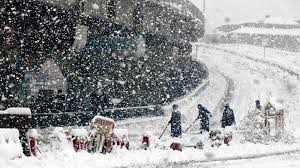
The far-flung areas of Kashmir are facing extreme difficulties during the harsh winter, especially due to the region's challenging geographical conditions and severe cold. These areas, often in remote mountain villages or high-altitude regions, are enduring some tough conditions:
In many areas, heavy snow disrupts transportation, making it difficult for residents to access essential services. Roads leading to remote villages often get blocked for weeks due to avalanches or deep snow, causing a lack of supplies such as food, medicine, and fuel.
Long power cuts are a common problem in Kashmir’s colder regions during winter, where snow and freezing temperatures often damage power infrastructure. This impacts heating, lighting, and other essential services, making life difficult for the local population.
With temperatures plunging well below freezing, the need for heating becomes paramount. However, the transportation of firewood, kerosene, and other fuel supplies to remote areas is often disrupted. This leaves people relying on limited supplies, which are quickly exhausted, making survival difficult.
Due to the rugged terrain, many far-flung villages are isolated during the winter months. The lack of roads and telecommunication infrastructure means that help is often not accessible. Rescue and medical teams struggle to reach these areas in case of emergencies.The harsh weather conditions increase the incidence of illnesses related to the cold, such as hypothermia, frostbite, and respiratory problems. There is also the risk of an outbreak of diseases due to poor sanitation and the scarcity of medical supplies. Hospitals in remote areas face challenges in treating patients during these tough times.The winter also affects local livelihoods, particularly in agricultural and pastoral communities. The harsh conditions prevent the transportation of crops, livestock, and other goods, leading to a severe impact on the local economy. Many people rely on seasonal labor or trade, which is impossible to carry out when the region is cut off due to snow.
The government, NGOs, and local communities are working hard to alleviate some of these hardships, but the challenges remain daunting, especially in the most isolated regions.
The far-flung areas of Kashmir are facing extreme difficulties during the harsh winter, especially due to the region's challenging geographical conditions and severe cold. These areas, often in remote mountain villages or high-altitude regions, are enduring some tough conditions:
In many areas, heavy snow disrupts transportation, making it difficult for residents to access essential services. Roads leading to remote villages often get blocked for weeks due to avalanches or deep snow, causing a lack of supplies such as food, medicine, and fuel.
Long power cuts are a common problem in Kashmir’s colder regions during winter, where snow and freezing temperatures often damage power infrastructure. This impacts heating, lighting, and other essential services, making life difficult for the local population.
With temperatures plunging well below freezing, the need for heating becomes paramount. However, the transportation of firewood, kerosene, and other fuel supplies to remote areas is often disrupted. This leaves people relying on limited supplies, which are quickly exhausted, making survival difficult.
Due to the rugged terrain, many far-flung villages are isolated during the winter months. The lack of roads and telecommunication infrastructure means that help is often not accessible. Rescue and medical teams struggle to reach these areas in case of emergencies.The harsh weather conditions increase the incidence of illnesses related to the cold, such as hypothermia, frostbite, and respiratory problems. There is also the risk of an outbreak of diseases due to poor sanitation and the scarcity of medical supplies. Hospitals in remote areas face challenges in treating patients during these tough times.The winter also affects local livelihoods, particularly in agricultural and pastoral communities. The harsh conditions prevent the transportation of crops, livestock, and other goods, leading to a severe impact on the local economy. Many people rely on seasonal labor or trade, which is impossible to carry out when the region is cut off due to snow.
The government, NGOs, and local communities are working hard to alleviate some of these hardships, but the challenges remain daunting, especially in the most isolated regions.

© Copyright 2023 brighterkashmir.com All Rights Reserved. Quantum Technologies