
BREAKING NEWS
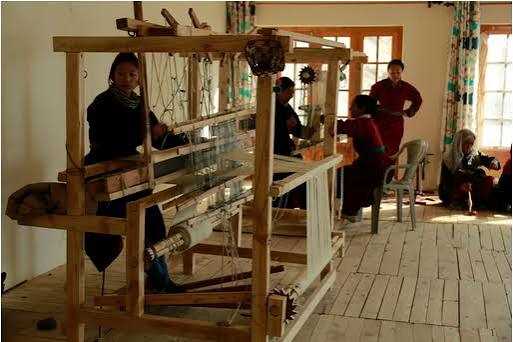
Leh, Oct 8: The story of Looms of Ladakh goes beyond traditional textiles and handmade products. Built with the support of the Systematic Investment Support (SYS) grants, the initiative has evolved into a women-owned institution that combines traditional craftsmanship with entrepreneurship, livelihood creation and community empowerment.
What began as an effort to preserve Ladakh’s rich weaving traditions has gradually developed into a platform enabling women artisans to participate more actively in the local economy. The support provided through SYS grants helped strengthen the initiative’s organisational and productive capacities, allowing it to move beyond the limitations of a small craft brand.
At the heart of the initiative are women artisans whose skills in weaving and traditional textile-making form the foundation of the enterprise. By creating opportunities for women to earn from their craftsmanship, Looms of Ladakh has helped connect cultural preservation with economic independence.
The initiative also demonstrates how targeted institutional support can contribute to sustainable rural and community-based enterprises. Rather than treating traditional crafts merely as products for tourists or niche markets, the model places artisans and their ownership at the centre of the enterprise.
The SYS grant support has helped create an ecosystem in which women can participate in production, decision-making and enterprise development. This has strengthened their confidence while providing a more structured avenue for converting traditional skills into sustainable livelihoods.
Ladakh’s harsh geography and dispersed settlements often create challenges for conventional employment opportunities. In this context, craft-based enterprises can provide locally rooted livelihoods while allowing communities to preserve skills that have been passed down through generations.
Looms of Ladakh reflects this intersection of culture and commerce. Its work demonstrates that traditional weaving can remain relevant when artisans are provided access to institutional support, markets, entrepreneurship opportunities and a stronger organisational framework.
The initiative also carries a wider message about women-led development. When women own and manage productive institutions, the benefits extend beyond individual incomes to families and communities, creating greater economic resilience and social participation.
The experience of Looms of Ladakh suggests that government and institutional grants can have a deeper impact when they are used not simply to promote a brand but to build enduring community institutions.
Its journey therefore represents more than the revival of Ladakhi looms. It is an example of how investment in traditional skills, combined with women’s ownership and enterprise development, can create a sustainable model of livelihood, cultural preservation and local economic empowerment.
Leh, Oct 8: The story of Looms of Ladakh goes beyond traditional textiles and handmade products. Built with the support of the Systematic Investment Support (SYS) grants, the initiative has evolved into a women-owned institution that combines traditional craftsmanship with entrepreneurship, livelihood creation and community empowerment.
What began as an effort to preserve Ladakh’s rich weaving traditions has gradually developed into a platform enabling women artisans to participate more actively in the local economy. The support provided through SYS grants helped strengthen the initiative’s organisational and productive capacities, allowing it to move beyond the limitations of a small craft brand.
At the heart of the initiative are women artisans whose skills in weaving and traditional textile-making form the foundation of the enterprise. By creating opportunities for women to earn from their craftsmanship, Looms of Ladakh has helped connect cultural preservation with economic independence.
The initiative also demonstrates how targeted institutional support can contribute to sustainable rural and community-based enterprises. Rather than treating traditional crafts merely as products for tourists or niche markets, the model places artisans and their ownership at the centre of the enterprise.
The SYS grant support has helped create an ecosystem in which women can participate in production, decision-making and enterprise development. This has strengthened their confidence while providing a more structured avenue for converting traditional skills into sustainable livelihoods.
Ladakh’s harsh geography and dispersed settlements often create challenges for conventional employment opportunities. In this context, craft-based enterprises can provide locally rooted livelihoods while allowing communities to preserve skills that have been passed down through generations.
Looms of Ladakh reflects this intersection of culture and commerce. Its work demonstrates that traditional weaving can remain relevant when artisans are provided access to institutional support, markets, entrepreneurship opportunities and a stronger organisational framework.
The initiative also carries a wider message about women-led development. When women own and manage productive institutions, the benefits extend beyond individual incomes to families and communities, creating greater economic resilience and social participation.
The experience of Looms of Ladakh suggests that government and institutional grants can have a deeper impact when they are used not simply to promote a brand but to build enduring community institutions.
Its journey therefore represents more than the revival of Ladakhi looms. It is an example of how investment in traditional skills, combined with women’s ownership and enterprise development, can create a sustainable model of livelihood, cultural preservation and local economic empowerment.

© Copyright 2023 brighterkashmir.com All Rights Reserved. Quantum Technologies