
BREAKING NEWS
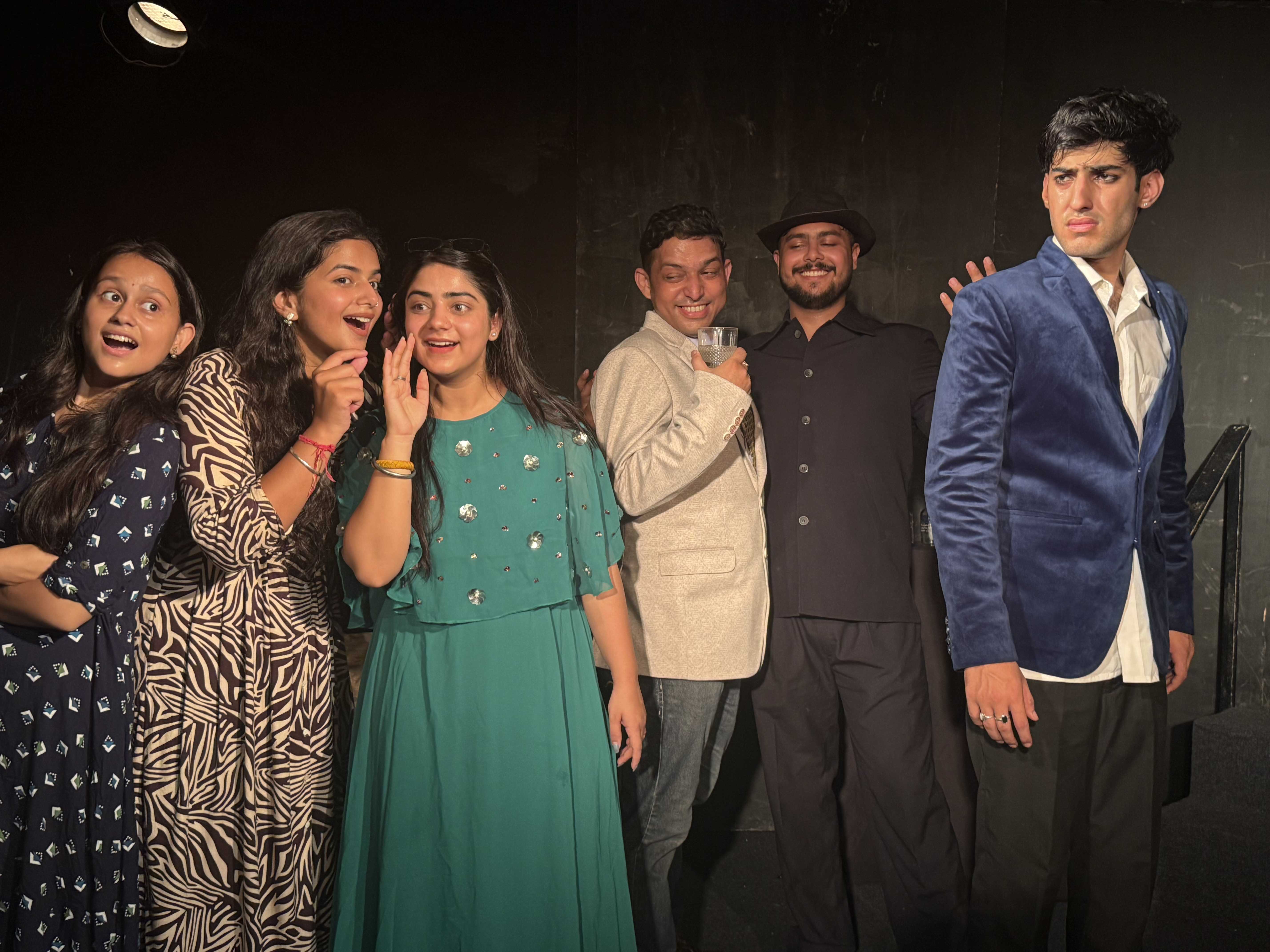
Jammu, Aug 9 :Continuing its endeavour to bring the finest of world literature and theatre to Jammu audiences, Natrang presented ‘Piano Vaadak’ (The Pianist), a Hindi stage adaptation of a story by the celebrated Russian playwright and short-story writer Anton Chekhov, dramatized by Satyendra Sharat and directed by Neeraj Kant. The production was staged today at Natrang Studio Theatre as part of Natrang’s ongoing Sunday Theatre Series.
The presentation offered an engaging and thought-provoking theatrical experience, exploring the painful realities faced by artists who struggle for recognition, dignity and financial security in a society that often measures an individual’s worth by social status and material success rather than talent, intellect and artistic merit.
Speaking on the significance of such productions, Natrang Director Padam Shri Balwant Thakur elaborated on the organisation’s vision of introducing Jammu audiences to some of the finest works of world literature. ‘Piano Vaadak’, with its deeply human and socially relevant concerns, aptly served this objective. The intellectual warmth and emotional depth of the play created a striking contrast to the cold weather outside and was warmly appreciated by the audience.
At the heart of the play are two struggling artists a writer and a pianist, whose experiences become a powerful commentary on the larger condition of those who relentlessly strive to preserve their creative identity but are denied the respect and recognition they deserve. Chekhov’s sensitive portrayal exposes the hypocrisy of a materialistic and status-conscious society where social standing frequently overshadows genuine talent.
The central episode, in which the pianist is invited to perform at an elite gathering, becomes the emotional and dramatic fulcrum of the production. Despite being invited for his artistic ability, he is treated with condescension and ridicule because his appearance and social position do not fit the expectations of the privileged gathering. The superficial praise and veiled insults directed at him by the guests reveal the cruelty hidden beneath the veneer of sophistication and civility.
Deeply humiliated by the experience, the pianist later recounts the incident to his writer friend, himself struggling with poverty, neglect and a loss of social standing. Their conversation becomes more than an exchange between two individuals, it emerges as a poignant reflection on the condition of countless artists who are compelled to compromise with their circumstances simply to survive. Such compromises gradually erode their creative spirit, reducing them from independent artists to subordinates in a system that rarely values their inner worth.
The production successfully retained the emotional and psychological intensity of Chekhov’s narrative. Its strength lay not merely in the spoken word but in the actors’ ability to communicate humiliation, helplessness, frustration and quiet resilience through their performances. The emotional undercurrent of the play was effectively translated onto the stage by the young ensemble, giving the production a strong sense of immediacy and human connection.
The cast featured Kananpreet Kaur, Aryan Sharma, Pawan Verma, Palshin Dutta, Krishay Bhatia, Vrinda Gujral, Mahikshit Singh and Mihir Gujral, who collectively brought vitality and emotional conviction to the production. Their performances complemented the understated yet powerful nature of the narrative.
The visual and technical elements further supported the dramatic atmosphere. Neeraj Kant designed and executed the lighting, while Krishay Bhatia composed the music. Pawan Verma coordinated the show, and Mihir Gujral handled the presentations.
With its sensitive treatment of artistic struggle, social prejudice and the dignity of the individual, ‘Piano Vaadak’ emerged as a meaningful theatrical experience, one that entertained while also prompting the audience to reflect on an uncomfortable question: How often does society recognise talent only after it has acquired status?
Natrang’s Sunday Theatre Series once again demonstrated the power of theatre to bring world literature closer to local audiences while opening avenues for young artists to engage with complex and enduring human themes.
Jammu, Aug 9 :Continuing its endeavour to bring the finest of world literature and theatre to Jammu audiences, Natrang presented ‘Piano Vaadak’ (The Pianist), a Hindi stage adaptation of a story by the celebrated Russian playwright and short-story writer Anton Chekhov, dramatized by Satyendra Sharat and directed by Neeraj Kant. The production was staged today at Natrang Studio Theatre as part of Natrang’s ongoing Sunday Theatre Series.
The presentation offered an engaging and thought-provoking theatrical experience, exploring the painful realities faced by artists who struggle for recognition, dignity and financial security in a society that often measures an individual’s worth by social status and material success rather than talent, intellect and artistic merit.
Speaking on the significance of such productions, Natrang Director Padam Shri Balwant Thakur elaborated on the organisation’s vision of introducing Jammu audiences to some of the finest works of world literature. ‘Piano Vaadak’, with its deeply human and socially relevant concerns, aptly served this objective. The intellectual warmth and emotional depth of the play created a striking contrast to the cold weather outside and was warmly appreciated by the audience.
At the heart of the play are two struggling artists a writer and a pianist, whose experiences become a powerful commentary on the larger condition of those who relentlessly strive to preserve their creative identity but are denied the respect and recognition they deserve. Chekhov’s sensitive portrayal exposes the hypocrisy of a materialistic and status-conscious society where social standing frequently overshadows genuine talent.
The central episode, in which the pianist is invited to perform at an elite gathering, becomes the emotional and dramatic fulcrum of the production. Despite being invited for his artistic ability, he is treated with condescension and ridicule because his appearance and social position do not fit the expectations of the privileged gathering. The superficial praise and veiled insults directed at him by the guests reveal the cruelty hidden beneath the veneer of sophistication and civility.
Deeply humiliated by the experience, the pianist later recounts the incident to his writer friend, himself struggling with poverty, neglect and a loss of social standing. Their conversation becomes more than an exchange between two individuals, it emerges as a poignant reflection on the condition of countless artists who are compelled to compromise with their circumstances simply to survive. Such compromises gradually erode their creative spirit, reducing them from independent artists to subordinates in a system that rarely values their inner worth.
The production successfully retained the emotional and psychological intensity of Chekhov’s narrative. Its strength lay not merely in the spoken word but in the actors’ ability to communicate humiliation, helplessness, frustration and quiet resilience through their performances. The emotional undercurrent of the play was effectively translated onto the stage by the young ensemble, giving the production a strong sense of immediacy and human connection.
The cast featured Kananpreet Kaur, Aryan Sharma, Pawan Verma, Palshin Dutta, Krishay Bhatia, Vrinda Gujral, Mahikshit Singh and Mihir Gujral, who collectively brought vitality and emotional conviction to the production. Their performances complemented the understated yet powerful nature of the narrative.
The visual and technical elements further supported the dramatic atmosphere. Neeraj Kant designed and executed the lighting, while Krishay Bhatia composed the music. Pawan Verma coordinated the show, and Mihir Gujral handled the presentations.
With its sensitive treatment of artistic struggle, social prejudice and the dignity of the individual, ‘Piano Vaadak’ emerged as a meaningful theatrical experience, one that entertained while also prompting the audience to reflect on an uncomfortable question: How often does society recognise talent only after it has acquired status?
Natrang’s Sunday Theatre Series once again demonstrated the power of theatre to bring world literature closer to local audiences while opening avenues for young artists to engage with complex and enduring human themes.

© Copyright 2023 brighterkashmir.com All Rights Reserved. Quantum Technologies