
BREAKING NEWS
Kashmir is known for its crisp autumn mornings, golden Chinars and a gentle chill that announces winter’s arrival. This October, however, the Valley is witnessing something deeply unsettling: unprecedented heat at a time when cool days should already be setting in.The unusual warmth is more than a weather curiosity. It is a warning. Kashmir’s climate has never been static, but the growing frequency of abnormal weather events is becoming impossible to ignore. Unseasonal heat, erratic rainfall, sudden cloudbursts and shrinking snow cover are altering the rhythm of life in the Valley. October heat, particularly, raises questions about what lies ahead for agriculture, water security, public health and the fragile Himalayan ecosystem. The apple economy, already under pressure from changing weather patterns, is particularly vulnerable. Temperature fluctuations can affect fruit colour, quality and shelf life. Farmers who once relied on relatively predictable seasons now face increasing uncertainty. The same uncertainty extends to tourism, horticulture and winter planning. The impact is not confined to fields. Higher temperatures can increase water demand, affect air quality and aggravate health risks, particularly for children, elderly people and those with existing vulnerabilities. In the mountains, every unusual weather signal deserves attention because climatic disturbances in fragile terrain can have consequences far beyond the immediate moment. Yet the biggest danger is not one hot October. It is complacency. Climate change is often discussed in distant, global terms, while its consequences are increasingly visible in our own neighbourhoods. Kashmir’s changing seasons should therefore become a matter of policy, science and public awareness—not merely conversation. The government must strengthen local weather monitoring, climate-resilient agriculture, water conservation and disaster preparedness. Farmers need timely advisories and scientific support. Urban planning must account for changing temperatures and rainfall patterns. Schools and communities should be encouraged to understand climate risks and adopt practical conservation measures. Most importantly, Kashmir must preserve what remains of its natural buffers—wetlands, forests, water bodies and green spaces. Development that ignores ecological limits may provide short-term gains but impose a much heavier long-term cost. An unusually hot October may pass. The warning it carries should not. Kashmir’s seasons are changing. Our preparedness must change faster.
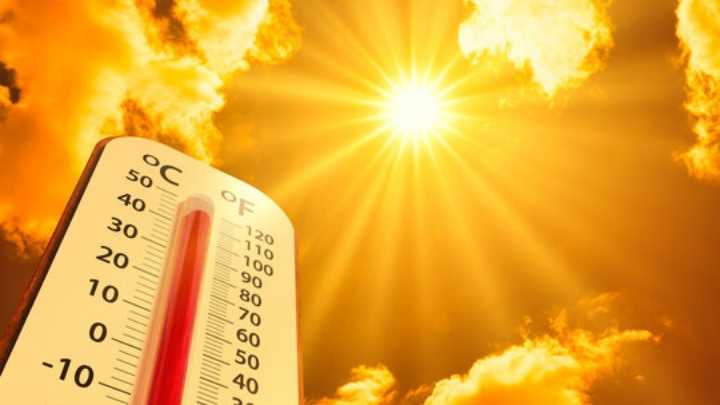
Kashmir is known for its crisp autumn mornings, golden Chinars and a gentle chill that announces winter’s arrival. This October, however, the Valley is witnessing something deeply unsettling: unprecedented heat at a time when cool days should already be setting in.The unusual warmth is more than a weather curiosity. It is a warning. Kashmir’s climate has never been static, but the growing frequency of abnormal weather events is becoming impossible to ignore. Unseasonal heat, erratic rainfall, sudden cloudbursts and shrinking snow cover are altering the rhythm of life in the Valley. October heat, particularly, raises questions about what lies ahead for agriculture, water security, public health and the fragile Himalayan ecosystem. The apple economy, already under pressure from changing weather patterns, is particularly vulnerable. Temperature fluctuations can affect fruit colour, quality and shelf life. Farmers who once relied on relatively predictable seasons now face increasing uncertainty. The same uncertainty extends to tourism, horticulture and winter planning. The impact is not confined to fields. Higher temperatures can increase water demand, affect air quality and aggravate health risks, particularly for children, elderly people and those with existing vulnerabilities. In the mountains, every unusual weather signal deserves attention because climatic disturbances in fragile terrain can have consequences far beyond the immediate moment. Yet the biggest danger is not one hot October. It is complacency. Climate change is often discussed in distant, global terms, while its consequences are increasingly visible in our own neighbourhoods. Kashmir’s changing seasons should therefore become a matter of policy, science and public awareness—not merely conversation. The government must strengthen local weather monitoring, climate-resilient agriculture, water conservation and disaster preparedness. Farmers need timely advisories and scientific support. Urban planning must account for changing temperatures and rainfall patterns. Schools and communities should be encouraged to understand climate risks and adopt practical conservation measures. Most importantly, Kashmir must preserve what remains of its natural buffers—wetlands, forests, water bodies and green spaces. Development that ignores ecological limits may provide short-term gains but impose a much heavier long-term cost. An unusually hot October may pass. The warning it carries should not. Kashmir’s seasons are changing. Our preparedness must change faster.

© Copyright 2023 brighterkashmir.com All Rights Reserved. Quantum Technologies