

I personally saw many of the visuals emerging from PoJK, and they were deeply disturbing: blood on the streets, injured protesters, security personnel firing, and scenes of chaos. Social media remains flooded with reports and videos depicting a tense and volatile situation across the occupied region
A coin has two sides, and so does Kashmir. One side is the actual Jammu and Kashmir, while the other is the part occupied by Pakistan, commonly referred to as PoJK. Yet both sides of Kashmir have one thing in common: Pakistan. And wherever Pakistan's involvement is felt, it brings violence, terrorism, and bloodshed. That is the unfortunate reality that both sides of Kashmir have experienced for decades, all because of Pakistan's policies and actions.
Wherever Pakistan has left its footprint, it has often left behind instability, conflict, and suffering in pursuit of its dirty interests and selfish motives .If we look at the part of Kashmir it occupies, commonly referred to as PoJK, the region is currently witnessing significant unrest. The crisis began with public grievances over issues such as inflation, unemployment, energy crisis, and demands for political and governance reforms. In response, ordinary citizens, led by the Joint Awami Action Committee (JAAC), launched protests. However, instead of addressing these concerns through dialogue, Pakistani authorities reportedly responded with a heavy-handed crackdown on demonstrators. Reports indicate that several people have been killed and hundreds injured during clashes. To contain the unrest, Pakistan has reportedly deployed around 14,000 security personnel, including Rangers armed with heavy weapons and ammunition. Communication networks and internet services have also been restricted in these areas, making it difficult for information and developments from the occupied region to reach the outside world.
I personally saw many of the visuals emerging from PoJK, and they were deeply disturbing: blood on the streets, injured protesters, security personnel firing, and scenes of chaos. Social media remains flooded with reports and videos depicting a tense and volatile situation across the occupied region. As I write, PoJK is witnessing what many describe as one of the harshest crackdowns in the history of Pakistan's occupation of the territory. What makes the situation even more striking is that the protesters' demands were largely centred on everyday issues such as inflation, unemployment, the energy crisis, governance reforms, and greater political representation. Among the key demands was the revocation of a mandatory oath that elected assembly members must take before entering the PoJK Assembly, affirming loyalty to the region's accession to Pakistan and to the very idea of Pakistan. Critics argue that this requirement undermines political plurality and excludes voices that do not align with Islamabad's preferred narrative. Another major point of contention is the existence of 12 reserved refugee seats in the assembly, which many locals allege distort electoral representation and provide Islamabad with additional leverage over political outcomes in the region. Protesters and political activists further argue that excessive influence from Islamabad has weakened local institutions, limited decentralization, and prevented local governments from effectively addressing regional concerns. According to these critics, these provisions collectively enable Pakistan to maintain tight control over PoJK's political affairs while restricting the ability of local populations to shape their own future. The growing refusal to reconsider these arrangements has only strengthened allegations that the existing political framework is designed primarily to preserve Islamabad's influence rather than empower the people of the occupied region.
Locals want a solution to these issues, but what they have received in return is a ban on their voices. JAAC has been banned and designated as a terrorist organization by Pakistani authorities. Instead of addressing public grievances, Pakistan has responded with bullets, violence, and the killing of young protesters, crushing their aspirations in an effort to maintain its influence over PoJK, a territory that does not belong to Pakistan.
Now coming to Pakistan's so-called jugular vein, Jammu and Kashmir. For decades, Pakistan has put on a show of being an advocate of Kashmiri aspirations on global stages, but the dirty games it played behind the curtains were disheartening, and common Kashmiris paid the price for them. For decades, Pakistan nurtured terrorism in Kashmir, killed our youth, widowed our women, orphaned our children, and turned our paradise into a hell. It ruined our education, economy, and tourism because of its selfish motives and dirty agendas. Pakistan never saw Kashmiris as people with hopes and aspirations; it saw them as tools to further its dirty intentions. While Kashmiris longed for peace, development, and prosperity, Pakistan exported violence, instability, and bloodshed into the region. Its actions prolonged the suffering of generations and kept Kashmir trapped in a cycle of terrorism and violence for its own pathetic gains.
Pakistan is still persisting with its dirty games in Kashmir but failing miserably, as times have changed. Kashmir now is moving towards change, development, growth, tourism, and a better future, while Jammu and Kashmir under India is on a path of a new dawn for a decade now. On the other side, our brethren in PoJK under Pakistan’s occupation are going through tough time inflation, deaths, and human rights violations have become routine. PoJK is going through a difficult situation under security crackdowns, where the army enjoys near-absolute impunity. People are dying and suffering, activists are being threatened, and local bodies are being restricted or labelled as terrorism. This stands in sharp contrast to Jammu and Kashmir, which is stable, improving, and moving forward.
In a nutshell, Pakistan can move to any limit to have its control, military or political, as seen in Jammu and Kashmir and PoJK, just to fulfil its selfish motives. PoJK is burning; a systematic genocide is underway at the hands of Pakistan in PoJK. Pakistan has ruined Kashmir for years in the past, spread extremism and terrorism, and the Kashmir it occupies shares no different fate. Deaths, killings, violence are common there, while Kashmir is on the path of normalcy and growth, PoJK remains an open-air prison, politically controlled and geographically occupied by Pakistan. We Kashmiris feel the pain of our brethren in PoJK and urge international institutions to stop Pakistan from unleashing violence in PoJK.
Email:------------------furkaankashmiri@gmail.com

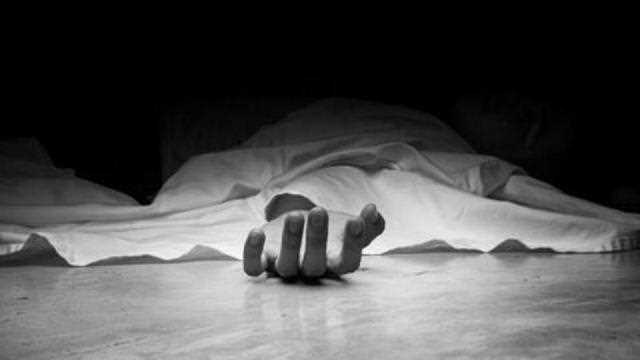
I personally saw many of the visuals emerging from PoJK, and they were deeply disturbing: blood on the streets, injured protesters, security personnel firing, and scenes of chaos. Social media remains flooded with reports and videos depicting a tense and volatile situation across the occupied region
A coin has two sides, and so does Kashmir. One side is the actual Jammu and Kashmir, while the other is the part occupied by Pakistan, commonly referred to as PoJK. Yet both sides of Kashmir have one thing in common: Pakistan. And wherever Pakistan's involvement is felt, it brings violence, terrorism, and bloodshed. That is the unfortunate reality that both sides of Kashmir have experienced for decades, all because of Pakistan's policies and actions.
Wherever Pakistan has left its footprint, it has often left behind instability, conflict, and suffering in pursuit of its dirty interests and selfish motives .If we look at the part of Kashmir it occupies, commonly referred to as PoJK, the region is currently witnessing significant unrest. The crisis began with public grievances over issues such as inflation, unemployment, energy crisis, and demands for political and governance reforms. In response, ordinary citizens, led by the Joint Awami Action Committee (JAAC), launched protests. However, instead of addressing these concerns through dialogue, Pakistani authorities reportedly responded with a heavy-handed crackdown on demonstrators. Reports indicate that several people have been killed and hundreds injured during clashes. To contain the unrest, Pakistan has reportedly deployed around 14,000 security personnel, including Rangers armed with heavy weapons and ammunition. Communication networks and internet services have also been restricted in these areas, making it difficult for information and developments from the occupied region to reach the outside world.
I personally saw many of the visuals emerging from PoJK, and they were deeply disturbing: blood on the streets, injured protesters, security personnel firing, and scenes of chaos. Social media remains flooded with reports and videos depicting a tense and volatile situation across the occupied region. As I write, PoJK is witnessing what many describe as one of the harshest crackdowns in the history of Pakistan's occupation of the territory. What makes the situation even more striking is that the protesters' demands were largely centred on everyday issues such as inflation, unemployment, the energy crisis, governance reforms, and greater political representation. Among the key demands was the revocation of a mandatory oath that elected assembly members must take before entering the PoJK Assembly, affirming loyalty to the region's accession to Pakistan and to the very idea of Pakistan. Critics argue that this requirement undermines political plurality and excludes voices that do not align with Islamabad's preferred narrative. Another major point of contention is the existence of 12 reserved refugee seats in the assembly, which many locals allege distort electoral representation and provide Islamabad with additional leverage over political outcomes in the region. Protesters and political activists further argue that excessive influence from Islamabad has weakened local institutions, limited decentralization, and prevented local governments from effectively addressing regional concerns. According to these critics, these provisions collectively enable Pakistan to maintain tight control over PoJK's political affairs while restricting the ability of local populations to shape their own future. The growing refusal to reconsider these arrangements has only strengthened allegations that the existing political framework is designed primarily to preserve Islamabad's influence rather than empower the people of the occupied region.
Locals want a solution to these issues, but what they have received in return is a ban on their voices. JAAC has been banned and designated as a terrorist organization by Pakistani authorities. Instead of addressing public grievances, Pakistan has responded with bullets, violence, and the killing of young protesters, crushing their aspirations in an effort to maintain its influence over PoJK, a territory that does not belong to Pakistan.
Now coming to Pakistan's so-called jugular vein, Jammu and Kashmir. For decades, Pakistan has put on a show of being an advocate of Kashmiri aspirations on global stages, but the dirty games it played behind the curtains were disheartening, and common Kashmiris paid the price for them. For decades, Pakistan nurtured terrorism in Kashmir, killed our youth, widowed our women, orphaned our children, and turned our paradise into a hell. It ruined our education, economy, and tourism because of its selfish motives and dirty agendas. Pakistan never saw Kashmiris as people with hopes and aspirations; it saw them as tools to further its dirty intentions. While Kashmiris longed for peace, development, and prosperity, Pakistan exported violence, instability, and bloodshed into the region. Its actions prolonged the suffering of generations and kept Kashmir trapped in a cycle of terrorism and violence for its own pathetic gains.
Pakistan is still persisting with its dirty games in Kashmir but failing miserably, as times have changed. Kashmir now is moving towards change, development, growth, tourism, and a better future, while Jammu and Kashmir under India is on a path of a new dawn for a decade now. On the other side, our brethren in PoJK under Pakistan’s occupation are going through tough time inflation, deaths, and human rights violations have become routine. PoJK is going through a difficult situation under security crackdowns, where the army enjoys near-absolute impunity. People are dying and suffering, activists are being threatened, and local bodies are being restricted or labelled as terrorism. This stands in sharp contrast to Jammu and Kashmir, which is stable, improving, and moving forward.
In a nutshell, Pakistan can move to any limit to have its control, military or political, as seen in Jammu and Kashmir and PoJK, just to fulfil its selfish motives. PoJK is burning; a systematic genocide is underway at the hands of Pakistan in PoJK. Pakistan has ruined Kashmir for years in the past, spread extremism and terrorism, and the Kashmir it occupies shares no different fate. Deaths, killings, violence are common there, while Kashmir is on the path of normalcy and growth, PoJK remains an open-air prison, politically controlled and geographically occupied by Pakistan. We Kashmiris feel the pain of our brethren in PoJK and urge international institutions to stop Pakistan from unleashing violence in PoJK.
Email:------------------furkaankashmiri@gmail.com

© Copyright 2023 brighterkashmir.com All Rights Reserved. Quantum Technologies