
BREAKING NEWS
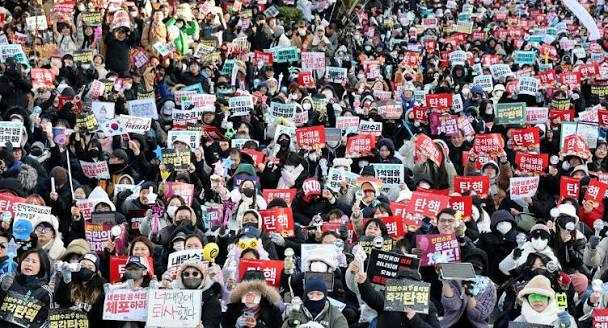
Protest is the heartbeat of democracy. It gives voice to the unheard, challenges injustice and compels those in power to answer difficult questions. But when genuine public grievances become instruments of political interests, the purpose of protest is distorted. What should unite people around a common cause can instead deepen divisions, spread mistrust and serve narrow political ambitions. The right to protest is fundamental to a democratic society. Citizens must be free to question government policies, demand accountability and oppose decisions they consider unjust. A democracy without dissent risks becoming an echo chamber of authority. Yet the legitimacy of a protest depends not merely on the cause it invokes but also on the intentions, methods and consequences of those who lead it. Political appropriation is where the danger begins. Parties and pressure groups may seize upon genuine public anger to advance their own agendas. A local grievance can be transformed into a political confrontation, while complex issues are reduced to slogans designed to provoke rather than persuade. Facts become secondary, compromise is portrayed as weakness, and opponents are branded as enemies. Social media has further complicated this landscape. Selective videos, misleading claims and emotionally charged messages can mobilise crowds before facts are established. In such an atmosphere, public sentiment becomes vulnerable to manipulation. The loudest voice may dominate the debate, while reasoned arguments and legitimate concerns are pushed aside. The consequences can be particularly serious in societies already marked by political, regional, religious or social fault lines. When protests are framed around identity rather than issues, they risk turning citizens against one another. Instead of demanding solutions, people become trapped in competing narratives of victimhood and hostility. The original grievance remains unresolved, while divisions deepen. However, it would be equally dangerous to dismiss every protest as politically motivated. Governments must not use allegations of political manipulation to silence dissent. Peaceful demonstrations, even when uncomfortable for those in authority, are an essential instrument of accountability. The answer to a protest is not intimidation or indiscriminate restrictions but dialogue, transparency and a willingness to address legitimate demands. Citizens, too, have a responsibility to distinguish between principled mobilisation and political opportunism. They must question exaggerated claims, verify information and judge movements by their objectives rather than the slogans they raise. Ultimately, protest should be a means of correcting injustice, not manufacturing hostility. Political parties may compete for influence, but public welfare must remain paramount. A mature democracy protects dissent while resisting manipulation.The strength of a protest lies in the justice of its cause, not the political mileage someone extracts from it. When public anger becomes a political commodity, democracy loses its moral purpose and society pays the price.
Protest is the heartbeat of democracy. It gives voice to the unheard, challenges injustice and compels those in power to answer difficult questions. But when genuine public grievances become instruments of political interests, the purpose of protest is distorted. What should unite people around a common cause can instead deepen divisions, spread mistrust and serve narrow political ambitions. The right to protest is fundamental to a democratic society. Citizens must be free to question government policies, demand accountability and oppose decisions they consider unjust. A democracy without dissent risks becoming an echo chamber of authority. Yet the legitimacy of a protest depends not merely on the cause it invokes but also on the intentions, methods and consequences of those who lead it. Political appropriation is where the danger begins. Parties and pressure groups may seize upon genuine public anger to advance their own agendas. A local grievance can be transformed into a political confrontation, while complex issues are reduced to slogans designed to provoke rather than persuade. Facts become secondary, compromise is portrayed as weakness, and opponents are branded as enemies. Social media has further complicated this landscape. Selective videos, misleading claims and emotionally charged messages can mobilise crowds before facts are established. In such an atmosphere, public sentiment becomes vulnerable to manipulation. The loudest voice may dominate the debate, while reasoned arguments and legitimate concerns are pushed aside. The consequences can be particularly serious in societies already marked by political, regional, religious or social fault lines. When protests are framed around identity rather than issues, they risk turning citizens against one another. Instead of demanding solutions, people become trapped in competing narratives of victimhood and hostility. The original grievance remains unresolved, while divisions deepen. However, it would be equally dangerous to dismiss every protest as politically motivated. Governments must not use allegations of political manipulation to silence dissent. Peaceful demonstrations, even when uncomfortable for those in authority, are an essential instrument of accountability. The answer to a protest is not intimidation or indiscriminate restrictions but dialogue, transparency and a willingness to address legitimate demands. Citizens, too, have a responsibility to distinguish between principled mobilisation and political opportunism. They must question exaggerated claims, verify information and judge movements by their objectives rather than the slogans they raise. Ultimately, protest should be a means of correcting injustice, not manufacturing hostility. Political parties may compete for influence, but public welfare must remain paramount. A mature democracy protects dissent while resisting manipulation.The strength of a protest lies in the justice of its cause, not the political mileage someone extracts from it. When public anger becomes a political commodity, democracy loses its moral purpose and society pays the price.

© Copyright 2023 brighterkashmir.com All Rights Reserved. Quantum Technologies