
BREAKING NEWS
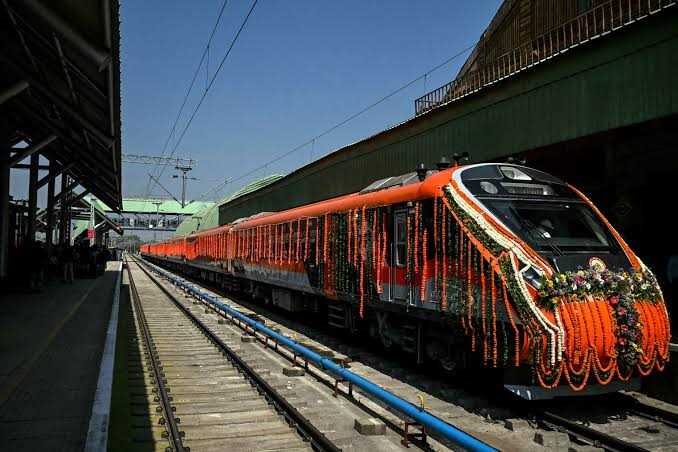
Srinagar, Oct 12 Kashmir’s iconic apple industry could gain a significant logistical advantage as the completion of the Udhampur–Srinagar–Baramulla Rail Link (USBRL) strengthens connectivity between the Valley and the rest of the country. The Chenab Rail Bridge and Anji Khad Bridge, two major engineering achievements on the route, are helping overcome geographical barriers that have long complicated transportation across the Himalayan region.
Horticulture is a vital pillar of Jammu and Kashmir’s economy, supporting thousands of farming families, traders, transporters, labourers and other stakeholders. Apple production, in particular, sustains livelihoods across large parts of the Valley, with harvesting season generating substantial commercial activity.
For growers, access to distant markets is as important as production itself. Delays in transportation, road congestion and weather-related disruptions can affect delivery schedules, increase logistics costs and complicate the marketing of perishable produce.
Rail connectivity offers an additional transportation option that could help streamline the movement of fruit beyond the Valley. More efficient logistics may enable traders to plan shipments better and connect with wholesale markets in northern and western India.
However, the extent of the benefit will depend on freight services, loading facilities, handling arrangements, transport schedules and the cost of moving produce by rail. Dedicated arrangements for perishable commodities, including suitable packaging and temperature management where required, would help farmers and traders make better use of the infrastructure.
The Chenab Rail Bridge and Anji Khad Bridge stand out as landmarks of the USBRL project, constructed through difficult mountain terrain marked by deep gorges, steep valleys and fast-flowing rivers.
The Chenab bridge spans the deep gorge of the Chenab River, while Anji Khad is India's first cable-stayed railway bridge. Together with tunnels and other railway structures, they have helped establish a continuous rail connection through terrain that presented formidable engineering challenges.
Western Railway Chief Public Relations Officer Vineet Abhishek, speaking about the project in the Economic Times report, highlighted the difficulties posed by the Pir Panjal range and the engineering effort required to complete the railway infrastructure.
The project's significance extends beyond the bridges themselves. Its completion has connected the Valley with the national rail network, creating an alternative channel for transporting passengers and goods.
The benefits are not limited to outbound shipments of Kashmiri produce. The railway network can also facilitate the movement of essential commodities into the Valley, including cement, foodgrains, salt, fertilisers, milk and automobiles.
A dependable rail-based logistics system could support businesses, improve supply-chain planning and provide an additional option when road transportation faces disruption. The extent of these gains will depend on freight capacity, service frequency and coordination between railway operators, traders and local logistics providers.
The link also carries significance for tourism. Improved rail access can make journeys to Kashmir more convenient, potentially encouraging visitors who prefer train travel and supporting tourism-related businesses across the region.
While the new railway infrastructure marks a major connectivity milestone, its long-term economic impact will depend on how effectively local producers and businesses can use it.
Apple growers need affordable freight rates, convenient access to loading points, reliable schedules and efficient handling systems. Small farmers and traders must also be able to access the facilities without excessive intermediaries or additional costs.
Coordination among the Railways, horticulture authorities, growers' associations, traders and logistics companies could help develop practical arrangements for seasonal fruit movement. Better market information and planned freight services during peak harvesting periods would further strengthen the benefits.
The USBRL has removed a major geographical barrier to Kashmir's rail connectivity. The next challenge is to convert this infrastructure achievement into tangible economic gains for farmers, traders, tourism operators and ordinary residents.
For Kashmir's apple economy, the railway offers a promising new route to national markets. Its true success, however, will be measured not merely by faster connectivity, but by whether it reduces transportation difficulties, improves market access and helps producers retain a greater share of the value of their harvest.
Srinagar, Oct 12 Kashmir’s iconic apple industry could gain a significant logistical advantage as the completion of the Udhampur–Srinagar–Baramulla Rail Link (USBRL) strengthens connectivity between the Valley and the rest of the country. The Chenab Rail Bridge and Anji Khad Bridge, two major engineering achievements on the route, are helping overcome geographical barriers that have long complicated transportation across the Himalayan region.
Horticulture is a vital pillar of Jammu and Kashmir’s economy, supporting thousands of farming families, traders, transporters, labourers and other stakeholders. Apple production, in particular, sustains livelihoods across large parts of the Valley, with harvesting season generating substantial commercial activity.
For growers, access to distant markets is as important as production itself. Delays in transportation, road congestion and weather-related disruptions can affect delivery schedules, increase logistics costs and complicate the marketing of perishable produce.
Rail connectivity offers an additional transportation option that could help streamline the movement of fruit beyond the Valley. More efficient logistics may enable traders to plan shipments better and connect with wholesale markets in northern and western India.
However, the extent of the benefit will depend on freight services, loading facilities, handling arrangements, transport schedules and the cost of moving produce by rail. Dedicated arrangements for perishable commodities, including suitable packaging and temperature management where required, would help farmers and traders make better use of the infrastructure.
The Chenab Rail Bridge and Anji Khad Bridge stand out as landmarks of the USBRL project, constructed through difficult mountain terrain marked by deep gorges, steep valleys and fast-flowing rivers.
The Chenab bridge spans the deep gorge of the Chenab River, while Anji Khad is India's first cable-stayed railway bridge. Together with tunnels and other railway structures, they have helped establish a continuous rail connection through terrain that presented formidable engineering challenges.
Western Railway Chief Public Relations Officer Vineet Abhishek, speaking about the project in the Economic Times report, highlighted the difficulties posed by the Pir Panjal range and the engineering effort required to complete the railway infrastructure.
The project's significance extends beyond the bridges themselves. Its completion has connected the Valley with the national rail network, creating an alternative channel for transporting passengers and goods.
The benefits are not limited to outbound shipments of Kashmiri produce. The railway network can also facilitate the movement of essential commodities into the Valley, including cement, foodgrains, salt, fertilisers, milk and automobiles.
A dependable rail-based logistics system could support businesses, improve supply-chain planning and provide an additional option when road transportation faces disruption. The extent of these gains will depend on freight capacity, service frequency and coordination between railway operators, traders and local logistics providers.
The link also carries significance for tourism. Improved rail access can make journeys to Kashmir more convenient, potentially encouraging visitors who prefer train travel and supporting tourism-related businesses across the region.
While the new railway infrastructure marks a major connectivity milestone, its long-term economic impact will depend on how effectively local producers and businesses can use it.
Apple growers need affordable freight rates, convenient access to loading points, reliable schedules and efficient handling systems. Small farmers and traders must also be able to access the facilities without excessive intermediaries or additional costs.
Coordination among the Railways, horticulture authorities, growers' associations, traders and logistics companies could help develop practical arrangements for seasonal fruit movement. Better market information and planned freight services during peak harvesting periods would further strengthen the benefits.
The USBRL has removed a major geographical barrier to Kashmir's rail connectivity. The next challenge is to convert this infrastructure achievement into tangible economic gains for farmers, traders, tourism operators and ordinary residents.
For Kashmir's apple economy, the railway offers a promising new route to national markets. Its true success, however, will be measured not merely by faster connectivity, but by whether it reduces transportation difficulties, improves market access and helps producers retain a greater share of the value of their harvest.

© Copyright 2023 brighterkashmir.com All Rights Reserved. Quantum Technologies