
BREAKING NEWS
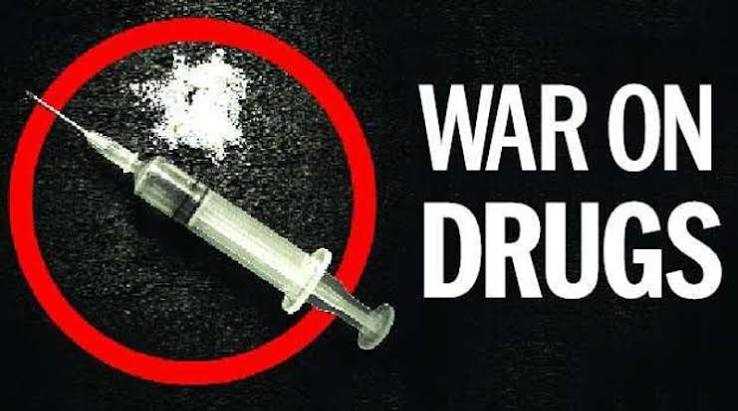
India’s resolve to uproot the drug trade by 2029 is more than a target—it is a test of collective will. The fight against narcotics cannot be reduced to arrests, seizures and slogans. It must reach the roots of addiction, dismantle supply networks and protect the generation most vulnerable to its consequences. The drug menace has changed in character. What was once largely associated with organised trafficking has increasingly found pathways into communities through social networks, digital platforms and easy access to addictive substances. Young people, particularly, can be drawn into experimentation that gradually becomes dependence, damaging their education, health, families and future. For Jammu and Kashmir, the challenge deserves particular urgency. Every young person lost to drugs represents not merely an individual tragedy but a loss to the social and economic fabric of the region. The answer, therefore, must combine enforcement with prevention, treatment and rehabilitation. The 2029 goal will have meaning only if the fight moves beyond the visible symptoms. Drug networks must be pursued through intelligence-led investigations, financial tracking and coordinated action among enforcement agencies. Those who profit from addiction should face the full force of law. At the same time, victims of substance dependence must not be treated merely as offenders. They need accessible treatment, counselling, family support and opportunities to rebuild their lives. Schools and colleges have an equally important role. Prevention should begin before a young person encounters drugs. Awareness programmes must be practical, continuous and credible, teaching students how addiction begins and how peer pressure can be resisted. Sports, arts, vocational training and meaningful employment can provide young people with healthier avenues for ambition and belonging.Families, too, cannot remain silent observers. Changes in behaviour, isolation, declining academic performance and sudden financial demands should prompt concern rather than stigma. Early intervention can prevent experimentation from becoming dependency. The battle also requires stronger community participation. Panchayats, religious and social organisations, teachers, health workers and youth clubs can become powerful partners in creating drug-free neighbourhoods. Treatment centres must be strengthened, stigma reduced and rehabilitation linked to education and employment. India’s 2029 ambition should ultimately be measured not only by tonnes of drugs seized or traffickers arrested, but by how many young lives are saved from addiction. The drug trade may be ruthless, but society cannot afford to surrender its youth to it. Uprooting drugs means protecting futures—and that fight must begin today.
India’s resolve to uproot the drug trade by 2029 is more than a target—it is a test of collective will. The fight against narcotics cannot be reduced to arrests, seizures and slogans. It must reach the roots of addiction, dismantle supply networks and protect the generation most vulnerable to its consequences. The drug menace has changed in character. What was once largely associated with organised trafficking has increasingly found pathways into communities through social networks, digital platforms and easy access to addictive substances. Young people, particularly, can be drawn into experimentation that gradually becomes dependence, damaging their education, health, families and future. For Jammu and Kashmir, the challenge deserves particular urgency. Every young person lost to drugs represents not merely an individual tragedy but a loss to the social and economic fabric of the region. The answer, therefore, must combine enforcement with prevention, treatment and rehabilitation. The 2029 goal will have meaning only if the fight moves beyond the visible symptoms. Drug networks must be pursued through intelligence-led investigations, financial tracking and coordinated action among enforcement agencies. Those who profit from addiction should face the full force of law. At the same time, victims of substance dependence must not be treated merely as offenders. They need accessible treatment, counselling, family support and opportunities to rebuild their lives. Schools and colleges have an equally important role. Prevention should begin before a young person encounters drugs. Awareness programmes must be practical, continuous and credible, teaching students how addiction begins and how peer pressure can be resisted. Sports, arts, vocational training and meaningful employment can provide young people with healthier avenues for ambition and belonging.Families, too, cannot remain silent observers. Changes in behaviour, isolation, declining academic performance and sudden financial demands should prompt concern rather than stigma. Early intervention can prevent experimentation from becoming dependency. The battle also requires stronger community participation. Panchayats, religious and social organisations, teachers, health workers and youth clubs can become powerful partners in creating drug-free neighbourhoods. Treatment centres must be strengthened, stigma reduced and rehabilitation linked to education and employment. India’s 2029 ambition should ultimately be measured not only by tonnes of drugs seized or traffickers arrested, but by how many young lives are saved from addiction. The drug trade may be ruthless, but society cannot afford to surrender its youth to it. Uprooting drugs means protecting futures—and that fight must begin today.

© Copyright 2023 brighterkashmir.com All Rights Reserved. Quantum Technologies