
BREAKING NEWS
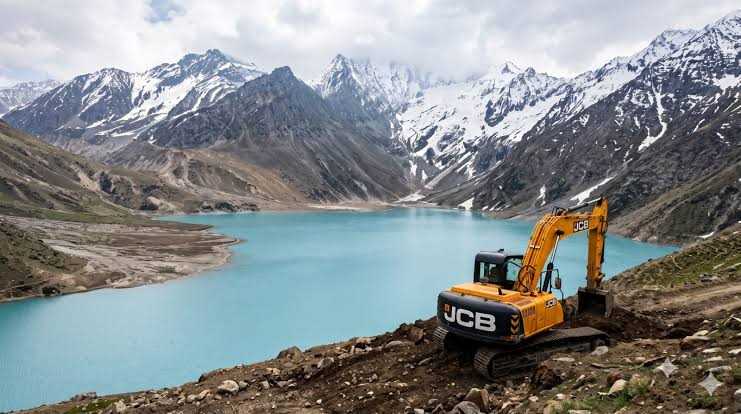
Srinagar, Nov 26: Environmental groups and concerned citizens have challenged Forest Minister Altaf Ahmad Kaloo’s assurance that Sheshnag Lake is safe, demanding an immediate halt to excavation and an independent scientific assessment of ongoing work near the fragile glacial lake.
Kaloo had said a departmental team inspected the site and found no soil entering the lake. He maintained that the work was being carried out along the existing Amarnath Yatra track.
However, environmental campaigners have questioned whether the inspection adequately assessed the impact of heavy machinery, slope cutting, debris disposal and other construction activities on the sensitive ecosystem.
The Group of Concerned Citizens (GCC) has warned that construction around Sheshnag and adjoining glaciers could increase the risk of landslides, flash floods and glacial lake outburst floods (GLOFs), potentially threatening downstream communities, drinking water supplies and irrigation systems.
It has called for an immediate suspension of construction and deployment of heavy machinery until comprehensive geotechnical, hydrological and environmental assessments are completed.
The Jammu and Kashmir Climate Action Group, headed by environmental activist Dr Raja Muzaffar Bhat, has also demanded an independent investigation, public disclosure of statutory permissions and scrutiny of construction debris disposal.
The group cautioned that excavation, slope cutting and unscientific interventions could disturb natural drainage patterns and cause lasting damage to the lake's catchment.
Environmentalists have also questioned whether a departmental inspection and the assurance that no soil entered the lake are sufficient to establish that the surrounding ecosystem remains unaffected. They have sought public disclosure of project details, clearances and scientific assessments.
The controversy has intensified following reports identifying Sheshnag among Jammu and Kashmir's high-risk glacial lakes.
Environmental groups maintain that their concerns are not against facilities for pilgrims but centre on ensuring that infrastructure development in a fragile Himalayan zone is guided by independent scientific scrutiny and adequate safeguards.
The Border Roads Organisation (BRO), meanwhile, has maintained that its work is confined to existing tracks and aims to improve pilgrim safety. However, environmental groups continue to press for an independent assessment before work proceeds.

© Copyright 2023 brighterkashmir.com All Rights Reserved. Quantum Technologies