
BREAKING NEWS
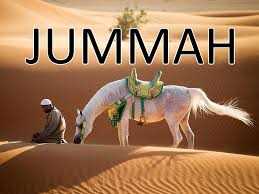
Jumma the congregational Friday prayer, holds a central place in Islam, serving as a spiritual anchor that reconnects individuals with faith, community, and moral responsibility. Beyond a weekly ritual, it provides a pause from worldly distractions, offering reflection, renewal, and collective consciousness. Friday is considered the best day of the week, marking events like the creation of Adam (peace be upon him) and the eventual establishment of the Hour. The Qur’an instructs believers to hasten to the remembrance of Allah when the call for Jumma is made and to leave trade behind, emphasizing faith over worldly pursuits. The khutbah, delivered before prayer, is a key component, offering guidance on ethical conduct, social justice, and responsibility. Historically and today, it serves as a platform for moral instruction and awareness, fostering informed, socially conscious individuals. Jumma also reinforces equality and unity. In the mosque, distinctions of wealth, status, and ethnicity dissolve as worshippers stand shoulder to shoulder, highlighting the Islamic ideal that all are equal before God. This strengthens communal bonds and empathy, particularly important in divided societies.N Spiritually, Jumma offers renewal. Traditions highlight that sins between Fridays are forgiven if major sins are avoided, encouraging repentance, self-reflection, and ethical living. Its calm and discipline provide a counterbalance to modern stress and moral fatigue Beyond the mosque, its principles extend into daily life, encouraging honesty, fairness, kindness, and responsibility. Societies internalizing Jumma message embody justice, compassion, and moral clarity. In essence, Jumma is a weekly reminder of purpose, urging believers to realign with higher values, strengthen communal ties, and carry faith into daily actions—a dignified pause nurturing both the soul and society.
Jumma the congregational Friday prayer, holds a central place in Islam, serving as a spiritual anchor that reconnects individuals with faith, community, and moral responsibility. Beyond a weekly ritual, it provides a pause from worldly distractions, offering reflection, renewal, and collective consciousness. Friday is considered the best day of the week, marking events like the creation of Adam (peace be upon him) and the eventual establishment of the Hour. The Qur’an instructs believers to hasten to the remembrance of Allah when the call for Jumma is made and to leave trade behind, emphasizing faith over worldly pursuits. The khutbah, delivered before prayer, is a key component, offering guidance on ethical conduct, social justice, and responsibility. Historically and today, it serves as a platform for moral instruction and awareness, fostering informed, socially conscious individuals. Jumma also reinforces equality and unity. In the mosque, distinctions of wealth, status, and ethnicity dissolve as worshippers stand shoulder to shoulder, highlighting the Islamic ideal that all are equal before God. This strengthens communal bonds and empathy, particularly important in divided societies.N Spiritually, Jumma offers renewal. Traditions highlight that sins between Fridays are forgiven if major sins are avoided, encouraging repentance, self-reflection, and ethical living. Its calm and discipline provide a counterbalance to modern stress and moral fatigue Beyond the mosque, its principles extend into daily life, encouraging honesty, fairness, kindness, and responsibility. Societies internalizing Jumma message embody justice, compassion, and moral clarity. In essence, Jumma is a weekly reminder of purpose, urging believers to realign with higher values, strengthen communal ties, and carry faith into daily actions—a dignified pause nurturing both the soul and society.

© Copyright 2023 brighterkashmir.com All Rights Reserved. Quantum Technologies