
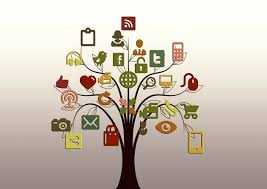
Over the last decade, social media has evolved from a tool for interaction to a dominant influence that shapes the opinions, behavior, and values people hold
The social media invasion in modern society has witnessed a radical change in communication between encoder and decoder in seeing the universe from their own perception. Facebook, Instagram, X (formerly Twitter), YouTube, and WhatsApp, Snapchat chat, along with the positive aspects, have become an increasing concern among parents, even civil society members of our locality. The gradual acceleration of moral standards in society, which was initially celebrated as a revolution, is now being seen as increasingly a fuel for moral degradation, cultural perversion, and moral confusion in social behavior.
Over the last decade, social media has evolved from a tool for interaction to a dominant influence that shapes the opinions, behavior, and values people hold. It has a ubiquitous presence, especially among the young generation who spend several hours a day on curated feeds and viral content. It has been claimed that the arguments presented by the extended use of sensational, false, or offensive content have erased the distinction between good and bad, a situation that has contributed to the normalization of immoral practices. The ongoing quest for online approval in the form of likes, comments, and followers has changed the focus of society towards character and integrity into popularity and being visible.
Among the most worrying repercussions of the spread of social media, there is the increase in the number of false information and fake news. False information travels faster than it has ever gone before, and it usually surpasses factual coverage. Sensational news, falsified pictures, and fake stories not only falsify society but also lead to hatred, fear, and social separation. The moral responsibility, which was previously the foundation of communication, seems to have been undermined as users post the content to share it without necessarily checking the authenticity and reflecting on the implications. Truth has been eroded, thus eroding the ethical values like honesty, accountability, and trust.
The exhibitionistic culture instilled by social media sites also adds to the moral decay. Most users are driven to present a perfect image of their lives, and as such, there are overstated posts of riches, personal beauty and prosperity. This fixation on outward beauty tends to promote cheating, materialism and unhealthy comparison. Most people, especially the youth, are also impacted to equate self-worth to digital approval, which leads to moral compromises like lying, faking, and unethical shortcuts to seek attention. Classical values such as humility, patience and contentedness are being eaten up by immediate satisfaction.
Teachers lament that the high use of social media has negatively impacted on the discipline, respect and academic integrity of students. The problems that modern classrooms are dealing with include shorter attention spans and diminishing reading skills. Exposure to indecent material leads to moral decay of the student and desensitization to violence, obscenity, and abusive language. When the respect towards older people and those in positions of authority is washed away, and were traditionally the main focus of social morals, the impact of the online culture, where defiance and ridicule are elevated and glorified.
The social media boom has not left family relationships untouched. Family discussions are gradually being substituted with scrolling on screens without any meaningful conversations. According to parents, it is hard to inculcate moral values when the children are more subject to online personalities rather than family instructions. The generation gap in the digital divide has increased, and there are disparities in the knowledge and transmission of cultural and moral values. Moral decay is also shown by the power of social media on language and communication. The emergence of abusive language, aggressive jokes, and disrespect becoming the norm of online communication has overflowed to real-life communication. The absence of civility, which used to be a sign of communicating in public, is becoming very common in online conversations. Political arguments, social and cultural interactions are usually accompanied by aggression and the inadmissibility of differences, which disrupts the ethical standards of mutual respect and open communication.
Experts in mental health raise the subject of the ethics of social media addiction. The high level of online activity has caused the development of anxiety, loneliness, and emotional instability. taking advantage of psychological weaknesses to make a profit. Nevertheless, specialists point out that social media is not necessarily immoral, but the issue is in the uncontrolled and irresponsible use of social media. The sources, which spread negativity, can also be used to spread education, empathy, and morality. Some of these efforts have shown how social media can be used for social good, such as health, environment, and human rights awareness campaigns.
There should be a growing demand among policymakers to impose tighter controls and moral principles in handling the social media dilemma. Educational institutions should promote digital literacy courses that do not just impart technical know-how in students, but also the moral judgment, critical thinking, and judicious use of the Internet. Parents, as well, are encouraged to take an active role by overseeing the use and creating an open discourse of values and ethics.
Note: Teachers should also avoid making reels and other social media content to upload on their portals to diminish the value of nation builders. (A teacher's worth is profound, shaping futures by planting seeds of knowledge, igniting minds, and guiding with wisdom, much like a candle consuming itself to light the way, forever impacting lives beyond the classroom's walls, as they build the very foundation for all other professions and future leaders.)
Email:----------------Nsofi72@gmail.Com



Over the last decade, social media has evolved from a tool for interaction to a dominant influence that shapes the opinions, behavior, and values people hold
The social media invasion in modern society has witnessed a radical change in communication between encoder and decoder in seeing the universe from their own perception. Facebook, Instagram, X (formerly Twitter), YouTube, and WhatsApp, Snapchat chat, along with the positive aspects, have become an increasing concern among parents, even civil society members of our locality. The gradual acceleration of moral standards in society, which was initially celebrated as a revolution, is now being seen as increasingly a fuel for moral degradation, cultural perversion, and moral confusion in social behavior.
Over the last decade, social media has evolved from a tool for interaction to a dominant influence that shapes the opinions, behavior, and values people hold. It has a ubiquitous presence, especially among the young generation who spend several hours a day on curated feeds and viral content. It has been claimed that the arguments presented by the extended use of sensational, false, or offensive content have erased the distinction between good and bad, a situation that has contributed to the normalization of immoral practices. The ongoing quest for online approval in the form of likes, comments, and followers has changed the focus of society towards character and integrity into popularity and being visible.
Among the most worrying repercussions of the spread of social media, there is the increase in the number of false information and fake news. False information travels faster than it has ever gone before, and it usually surpasses factual coverage. Sensational news, falsified pictures, and fake stories not only falsify society but also lead to hatred, fear, and social separation. The moral responsibility, which was previously the foundation of communication, seems to have been undermined as users post the content to share it without necessarily checking the authenticity and reflecting on the implications. Truth has been eroded, thus eroding the ethical values like honesty, accountability, and trust.
The exhibitionistic culture instilled by social media sites also adds to the moral decay. Most users are driven to present a perfect image of their lives, and as such, there are overstated posts of riches, personal beauty and prosperity. This fixation on outward beauty tends to promote cheating, materialism and unhealthy comparison. Most people, especially the youth, are also impacted to equate self-worth to digital approval, which leads to moral compromises like lying, faking, and unethical shortcuts to seek attention. Classical values such as humility, patience and contentedness are being eaten up by immediate satisfaction.
Teachers lament that the high use of social media has negatively impacted on the discipline, respect and academic integrity of students. The problems that modern classrooms are dealing with include shorter attention spans and diminishing reading skills. Exposure to indecent material leads to moral decay of the student and desensitization to violence, obscenity, and abusive language. When the respect towards older people and those in positions of authority is washed away, and were traditionally the main focus of social morals, the impact of the online culture, where defiance and ridicule are elevated and glorified.
The social media boom has not left family relationships untouched. Family discussions are gradually being substituted with scrolling on screens without any meaningful conversations. According to parents, it is hard to inculcate moral values when the children are more subject to online personalities rather than family instructions. The generation gap in the digital divide has increased, and there are disparities in the knowledge and transmission of cultural and moral values. Moral decay is also shown by the power of social media on language and communication. The emergence of abusive language, aggressive jokes, and disrespect becoming the norm of online communication has overflowed to real-life communication. The absence of civility, which used to be a sign of communicating in public, is becoming very common in online conversations. Political arguments, social and cultural interactions are usually accompanied by aggression and the inadmissibility of differences, which disrupts the ethical standards of mutual respect and open communication.
Experts in mental health raise the subject of the ethics of social media addiction. The high level of online activity has caused the development of anxiety, loneliness, and emotional instability. taking advantage of psychological weaknesses to make a profit. Nevertheless, specialists point out that social media is not necessarily immoral, but the issue is in the uncontrolled and irresponsible use of social media. The sources, which spread negativity, can also be used to spread education, empathy, and morality. Some of these efforts have shown how social media can be used for social good, such as health, environment, and human rights awareness campaigns.
There should be a growing demand among policymakers to impose tighter controls and moral principles in handling the social media dilemma. Educational institutions should promote digital literacy courses that do not just impart technical know-how in students, but also the moral judgment, critical thinking, and judicious use of the Internet. Parents, as well, are encouraged to take an active role by overseeing the use and creating an open discourse of values and ethics.
Note: Teachers should also avoid making reels and other social media content to upload on their portals to diminish the value of nation builders. (A teacher's worth is profound, shaping futures by planting seeds of knowledge, igniting minds, and guiding with wisdom, much like a candle consuming itself to light the way, forever impacting lives beyond the classroom's walls, as they build the very foundation for all other professions and future leaders.)
Email:----------------Nsofi72@gmail.Com

© Copyright 2023 brighterkashmir.com All Rights Reserved. Quantum Technologies