
BREAKING NEWS
Social media was designed to help people express themselves, but genuine self-expression becomes difficult when every action is performed for public approval. The search for validation therefore strengthens the pressure created by comparison that encourages young people to build their identities around how they appear rather than who they are
We live in a world where a single click can connect us to hundreds of people, yet many individuals feel increasingly disconnected from one another. Social media has become an important part of modern life, especially among young people. From sharing photographs to watching videos and exchanging messages, digital platforms have changed the way we communicate, think, and understand the world around us.
Social media can educate, connect, and inspire young people, but its constant presence can also shape their self-image, relationships, attention, and choices in harmful ways. The central question, therefore, is not whether social media is entirely good or bad, but whether young people can use it without allowing it to control how they measure their worth and experience their lives.
The Culture of Comparison
Social media often presents a carefully selected version of people’s lives. Beautiful photographs, exciting trips, academic achievements, and celebrations fill our screens every day. While these posts may appear harmless, they can create pressure among young people to compare their lives with others.
A student may begin to question their abilities after seeing someone else’s success. Another person may feel left behind when comparing his everyday life with the perfect images seen online. Because young users encounter these polished images repeatedly, comparison can gradually affect their confidence and sense of identity.
The problem is not that people share their happiness. The problem begins when online appearances become the standard by which young people judge their own lives. In this way, social media can turn ordinary experiences into evidence of personal failure even when those experiences are perfectly normal.
The Search for Approval
Likes, comments, shares, and followers have become common measures of online popularity. For some users, receiving attention brings temporary happiness, while receiving fewer reactions can lead to disappointment. This dependence on digital feedback can make young people feel that their value is determined by the response of an audience.
Gradually, people may begin choosing what to wear, what to say, and even what to believe according to the expectations of their online audience. Instead of expressing themselves freely, they may edit their personalities to gain approval or avoid criticism.
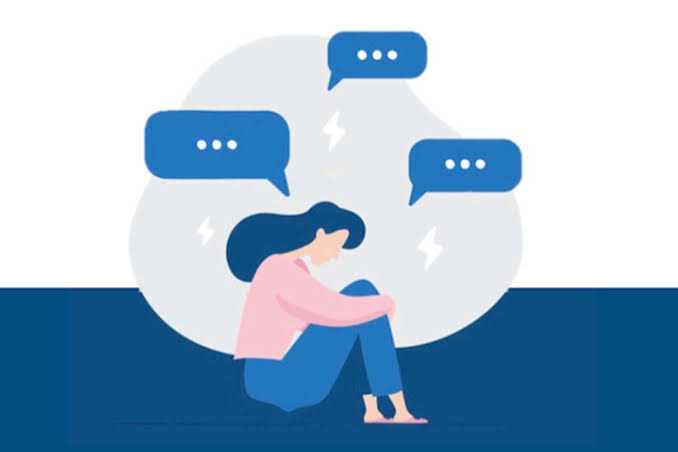
Social media was designed to help people express themselves, but genuine self-expression becomes difficult when every action is performed for public approval. The search for validation therefore strengthens the pressure created by comparison that encourages young people to build their identities around how they appear rather than who they are
Connection without Closeness
Technology has made communication faster and easier than ever before. Families can stay connected across long distances, friends can exchange ideas instantly, and students can access educational opportunities from around the world. These benefits show why social media remains valuable to young people.
However, digital communication cannot always replace the warmth of a face-to-face conversation. Sitting together while everyone looks at a phone may create physical closeness without meaningful interaction. Constant online contact can also make relationships feel shallow when messages and reactions replace careful listening and shared experiences.
A simple conversation, a shared meal, or a few minutes of undivided attention can sometimes provide more comfort than hundreds of online reactions. If social media is allowed to dominate social life, it may connect young people to more people while leaving them less emotionally connected to those around them.
The Impact on Education
Social media offers valuable opportunities for learning. Students can watch educational videos, participate in discussions, discover new subjects, and learn from experienced teachers. Used purposefully, digital platforms can expand access to knowledge and support academic growth.
At the same time, constant notifications and endless entertainment can interrupt concentration. A student who opens a phone to check one message may spend much longer online than intended. This distraction can reduce study time, weaken attention, and make it harder for young people to complete demanding tasks.
The educational impact of social media therefore depends on whether it supports or disrupts a student's goals. The solution is not to reject technology completely. Instead, students need to develop digital discipline, manage their screen time, and give their studies the attention they deserve.
Finding a Healthy Balance
The answer is not to abandon social media but to use it thoughtfully. Young people should learn to recognise misleading content, protect their privacy, respect others online, and understand that popularity does not determine personal worth. These skills can help them resist the comparison, approval-seeking, and distraction that often accompany constant online use.
Parents and teachers also have an important role in encouraging responsible digital habits. Instead of simply criticising technology, they can help young people understand both its benefits and its limitations. Open conversations can make it easier for students to recognise when social media is affecting their confidence, relationships, or concentration.
Taking regular breaks from screens, spending time outdoors, reading books, and having meaningful conversations can help create a healthier balance between online and offline life. Such habits remind young people that their identities and achievements extend far beyond what they post or receive online.
A Society That Needs to Reflect
Social media is more than a collection of applications. It reflects our values, our ambitions, and our desire to be seen and accepted. When used wisely, it can educate, inspire, and unite people. When used without awareness, it can encourage comparison, distraction, dependence on approval, and emotional distance.
The effects of social media on young people are shaped not only by the technology itself but also by the habits and values surrounding it. If society treats popularity, constant availability, and public performance as signs of success, young people may struggle to develop confidence and relationships outside the digital world. If society instead encourages balance, critical thinking, and genuine connection, social media can remain a useful tool rather than a controlling force.
The most important moments of life do not always need an audience, and the most valuable achievements do not always need to be posted online. Perhaps it is time to remember that a meaningful life is not measured by the number of followers we have, but by the quality of our relationships, the strength of our character, and the peace we find within ourselves.
Email:-------------------------hussainakhter078@gmail.com
Social media was designed to help people express themselves, but genuine self-expression becomes difficult when every action is performed for public approval. The search for validation therefore strengthens the pressure created by comparison that encourages young people to build their identities around how they appear rather than who they are
We live in a world where a single click can connect us to hundreds of people, yet many individuals feel increasingly disconnected from one another. Social media has become an important part of modern life, especially among young people. From sharing photographs to watching videos and exchanging messages, digital platforms have changed the way we communicate, think, and understand the world around us.
Social media can educate, connect, and inspire young people, but its constant presence can also shape their self-image, relationships, attention, and choices in harmful ways. The central question, therefore, is not whether social media is entirely good or bad, but whether young people can use it without allowing it to control how they measure their worth and experience their lives.
The Culture of Comparison
Social media often presents a carefully selected version of people’s lives. Beautiful photographs, exciting trips, academic achievements, and celebrations fill our screens every day. While these posts may appear harmless, they can create pressure among young people to compare their lives with others.
A student may begin to question their abilities after seeing someone else’s success. Another person may feel left behind when comparing his everyday life with the perfect images seen online. Because young users encounter these polished images repeatedly, comparison can gradually affect their confidence and sense of identity.
The problem is not that people share their happiness. The problem begins when online appearances become the standard by which young people judge their own lives. In this way, social media can turn ordinary experiences into evidence of personal failure even when those experiences are perfectly normal.
The Search for Approval
Likes, comments, shares, and followers have become common measures of online popularity. For some users, receiving attention brings temporary happiness, while receiving fewer reactions can lead to disappointment. This dependence on digital feedback can make young people feel that their value is determined by the response of an audience.
Gradually, people may begin choosing what to wear, what to say, and even what to believe according to the expectations of their online audience. Instead of expressing themselves freely, they may edit their personalities to gain approval or avoid criticism.
Social media was designed to help people express themselves, but genuine self-expression becomes difficult when every action is performed for public approval. The search for validation therefore strengthens the pressure created by comparison that encourages young people to build their identities around how they appear rather than who they are
Connection without Closeness
Technology has made communication faster and easier than ever before. Families can stay connected across long distances, friends can exchange ideas instantly, and students can access educational opportunities from around the world. These benefits show why social media remains valuable to young people.
However, digital communication cannot always replace the warmth of a face-to-face conversation. Sitting together while everyone looks at a phone may create physical closeness without meaningful interaction. Constant online contact can also make relationships feel shallow when messages and reactions replace careful listening and shared experiences.
A simple conversation, a shared meal, or a few minutes of undivided attention can sometimes provide more comfort than hundreds of online reactions. If social media is allowed to dominate social life, it may connect young people to more people while leaving them less emotionally connected to those around them.
The Impact on Education
Social media offers valuable opportunities for learning. Students can watch educational videos, participate in discussions, discover new subjects, and learn from experienced teachers. Used purposefully, digital platforms can expand access to knowledge and support academic growth.
At the same time, constant notifications and endless entertainment can interrupt concentration. A student who opens a phone to check one message may spend much longer online than intended. This distraction can reduce study time, weaken attention, and make it harder for young people to complete demanding tasks.
The educational impact of social media therefore depends on whether it supports or disrupts a student's goals. The solution is not to reject technology completely. Instead, students need to develop digital discipline, manage their screen time, and give their studies the attention they deserve.
Finding a Healthy Balance
The answer is not to abandon social media but to use it thoughtfully. Young people should learn to recognise misleading content, protect their privacy, respect others online, and understand that popularity does not determine personal worth. These skills can help them resist the comparison, approval-seeking, and distraction that often accompany constant online use.
Parents and teachers also have an important role in encouraging responsible digital habits. Instead of simply criticising technology, they can help young people understand both its benefits and its limitations. Open conversations can make it easier for students to recognise when social media is affecting their confidence, relationships, or concentration.
Taking regular breaks from screens, spending time outdoors, reading books, and having meaningful conversations can help create a healthier balance between online and offline life. Such habits remind young people that their identities and achievements extend far beyond what they post or receive online.
A Society That Needs to Reflect
Social media is more than a collection of applications. It reflects our values, our ambitions, and our desire to be seen and accepted. When used wisely, it can educate, inspire, and unite people. When used without awareness, it can encourage comparison, distraction, dependence on approval, and emotional distance.
The effects of social media on young people are shaped not only by the technology itself but also by the habits and values surrounding it. If society treats popularity, constant availability, and public performance as signs of success, young people may struggle to develop confidence and relationships outside the digital world. If society instead encourages balance, critical thinking, and genuine connection, social media can remain a useful tool rather than a controlling force.
The most important moments of life do not always need an audience, and the most valuable achievements do not always need to be posted online. Perhaps it is time to remember that a meaningful life is not measured by the number of followers we have, but by the quality of our relationships, the strength of our character, and the peace we find within ourselves.
Email:-------------------------hussainakhter078@gmail.com

© Copyright 2023 brighterkashmir.com All Rights Reserved. Quantum Technologies