
While teaching this poem to my students, I asked them how they perceived their own old age. Their answers were strikingly mature and thoughtful, revealing how even young minds can grasp the depth of life’s journey
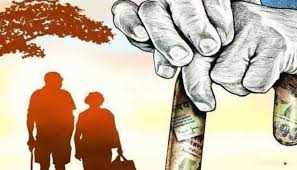
Old age has always been one of the most adventurous and haunting visualizations of human life. To imagine oneself in that stage—weak, infirm, and incapable of the daring tasks of youth—is both frightening and enlightening. It is a mirror that reflects the long span of life lived, recounting achievements and failures, evoking feelings of remorse or gratitude, joy or sorrow. For the young, energetic individual, perceiving oneself in old age is a startling exercise, one that provokes deep thought about the choices made today and their consequences tomorrow.
The Irish poet W.B. Yeats, in his famous poem “When You Are Old”, captures this visualization with rare poignancy. He begins with the haunting image:
“When you are old and grey and full of sleep,
And nodding by the fire, take down this book…”
With these lines, Yeats paints the picture of grey hair, heavy eyelids, and a body devoid of youthful charm. Though he wrote the poem for Maud Gonne, urging her to realize the mistake of rejecting his love, its resonance goes far beyond personal heartbreak. It reminds us that old age is the time when life’s mistakes, wrong decisions, wasted opportunities, and neglected advice replay before our eyes. It is a stage where one confronts the past face to face, often with a mixture of regret and wisdom.
Yet this visualization is not merely a poetic fancy; it is a warning. To imagine old age is to be alerted, provoked, and inspired to live youth wisely. It is a call to utilize energy, passion, and strength in achieving meaningful goals, so that the twilight years may be filled with pride rather than remorse.
While teaching this poem to my students, I asked them how they perceived their own old age. Their answers were strikingly mature and thoughtful, revealing how even young minds can grasp the depth of life’s journey.
Muntazir Rasool said she would like to be like her grandmother, who narrates beautiful stories, advises her family, and supervises household affairs. For her, old age is not a decline but a reservoir of wisdom and experience.
Asra Bashir envisioned her old age as a time of happiness, built upon the achievements and successes of her youth. She believed that a life well-lived in youth guarantees joy in later years.
Fiza Manzoor imagined her old age as full of wisdom and authority, with knowledge to share and distribute to the world. She added a profound observation: “Everybody wants to live a long life, but nobody wants to be old.” Yet she acknowledged that old age cannot be escaped if one wishes to live long.
These reflections show that young people, when guided by literature and thoughtful discussion, can perceive old age not merely as a stage of weakness but as a treasure of wisdom.
Our old age depends entirely on how we live our youth. If we squander our potential, waste our time, and fall into bad company, old age will confront us with regret. But if we channel our energy into meaningful pursuits, cultivate good habits, and listen to the wise counsel of parents and elders, old age will be a crown of dignity.
Yeats reminds us of this contrast when he writes:
“How many loved your moments of glad grace,
And loved your beauty with love false or true;
But one man loved the pilgrim soul in you,
And loved the sorrows of your changing face.”
Here, the poet suggests that true love—and by extension, true achievement—lies not in fleeting beauty or temporary success, but in the enduring soul and wisdom that survive into old age.
Of course, old age is not without its challenges. Physical weakness, diseases, and incapacity often accompany it. Walking becomes difficult, memory may falter, and dependence on others increases. Yet, alongside these challenges lies an ocean of maturity and understanding. Old age is the stage when one has seen the world in its fullness—its joys and sorrows, its triumphs and tragedies. It is a time when one can best advise and counsel others, drawing upon the treasure of lived experience.
In our society, respecting and caring for the elderly is not merely a moral duty but a cultural necessity. Our parents and grandparents once held our hands in childhood, guiding us through the fragile years of growth. Now, it is our turn to hold their hands, to help them live through the fragile years of old age. Their advice, born of decades of struggle and survival, must be listened to and complied with. Their presence must be cherished, their dignity preserved.
To neglect the elderly is to neglect our own future. For one day, we too will stand in their place, longing for respect, love, and care. The visualization of old age is indeed a scary scene, but it is also a powerful motivator. It alerts us to the fleeting nature of youth and provokes us to make the best possible use of today. If we live wisely now, our old age will not be a burden but a blessing.
Let us therefore invest our youth in learning, in building character, in serving others, and in achieving noble goals. Let us avoid the traps of bad company, wasted time, and reckless decisions. Let us listen to the advice of parents and elders, for their words are shaped by experience.
In doing so, we will ensure that our old age is not a time of regret but a time of pride. We will sit among our children and grandchildren, recounting stories of resilience and achievement, sharing wisdom, and leaving behind a legacy that endures. Old age is both a scary and delightful visualization. It is scary because it confronts us with weakness and past mistakes. It is delightful because it offers wisdom, maturity, and the chance to guide others.
Yeats closes his poem with a line that lingers in the heart:
“And bending down beside the glowing bars,
Murmur, a little sadly, how Love fled…”
This final image reminds us that old age is not only about loss but also about reflection, memory, and the enduring power of love and wisdom.
As we look ahead, let us remember: our old age depends on our youth. The choices we make today will shape the stories we tell tomorrow. Let us live in such a way that when we are old, we may sit with pride, gratitude, and wisdom, knowing that our life was not wasted but well-lived.
Email:----------------------------azaadbhat28@gmail.com.

While teaching this poem to my students, I asked them how they perceived their own old age. Their answers were strikingly mature and thoughtful, revealing how even young minds can grasp the depth of life’s journey
Old age has always been one of the most adventurous and haunting visualizations of human life. To imagine oneself in that stage—weak, infirm, and incapable of the daring tasks of youth—is both frightening and enlightening. It is a mirror that reflects the long span of life lived, recounting achievements and failures, evoking feelings of remorse or gratitude, joy or sorrow. For the young, energetic individual, perceiving oneself in old age is a startling exercise, one that provokes deep thought about the choices made today and their consequences tomorrow.
The Irish poet W.B. Yeats, in his famous poem “When You Are Old”, captures this visualization with rare poignancy. He begins with the haunting image:
“When you are old and grey and full of sleep,
And nodding by the fire, take down this book…”
With these lines, Yeats paints the picture of grey hair, heavy eyelids, and a body devoid of youthful charm. Though he wrote the poem for Maud Gonne, urging her to realize the mistake of rejecting his love, its resonance goes far beyond personal heartbreak. It reminds us that old age is the time when life’s mistakes, wrong decisions, wasted opportunities, and neglected advice replay before our eyes. It is a stage where one confronts the past face to face, often with a mixture of regret and wisdom.
Yet this visualization is not merely a poetic fancy; it is a warning. To imagine old age is to be alerted, provoked, and inspired to live youth wisely. It is a call to utilize energy, passion, and strength in achieving meaningful goals, so that the twilight years may be filled with pride rather than remorse.
While teaching this poem to my students, I asked them how they perceived their own old age. Their answers were strikingly mature and thoughtful, revealing how even young minds can grasp the depth of life’s journey.
Muntazir Rasool said she would like to be like her grandmother, who narrates beautiful stories, advises her family, and supervises household affairs. For her, old age is not a decline but a reservoir of wisdom and experience.
Asra Bashir envisioned her old age as a time of happiness, built upon the achievements and successes of her youth. She believed that a life well-lived in youth guarantees joy in later years.
Fiza Manzoor imagined her old age as full of wisdom and authority, with knowledge to share and distribute to the world. She added a profound observation: “Everybody wants to live a long life, but nobody wants to be old.” Yet she acknowledged that old age cannot be escaped if one wishes to live long.
These reflections show that young people, when guided by literature and thoughtful discussion, can perceive old age not merely as a stage of weakness but as a treasure of wisdom.
Our old age depends entirely on how we live our youth. If we squander our potential, waste our time, and fall into bad company, old age will confront us with regret. But if we channel our energy into meaningful pursuits, cultivate good habits, and listen to the wise counsel of parents and elders, old age will be a crown of dignity.
Yeats reminds us of this contrast when he writes:
“How many loved your moments of glad grace,
And loved your beauty with love false or true;
But one man loved the pilgrim soul in you,
And loved the sorrows of your changing face.”
Here, the poet suggests that true love—and by extension, true achievement—lies not in fleeting beauty or temporary success, but in the enduring soul and wisdom that survive into old age.
Of course, old age is not without its challenges. Physical weakness, diseases, and incapacity often accompany it. Walking becomes difficult, memory may falter, and dependence on others increases. Yet, alongside these challenges lies an ocean of maturity and understanding. Old age is the stage when one has seen the world in its fullness—its joys and sorrows, its triumphs and tragedies. It is a time when one can best advise and counsel others, drawing upon the treasure of lived experience.
In our society, respecting and caring for the elderly is not merely a moral duty but a cultural necessity. Our parents and grandparents once held our hands in childhood, guiding us through the fragile years of growth. Now, it is our turn to hold their hands, to help them live through the fragile years of old age. Their advice, born of decades of struggle and survival, must be listened to and complied with. Their presence must be cherished, their dignity preserved.
To neglect the elderly is to neglect our own future. For one day, we too will stand in their place, longing for respect, love, and care. The visualization of old age is indeed a scary scene, but it is also a powerful motivator. It alerts us to the fleeting nature of youth and provokes us to make the best possible use of today. If we live wisely now, our old age will not be a burden but a blessing.
Let us therefore invest our youth in learning, in building character, in serving others, and in achieving noble goals. Let us avoid the traps of bad company, wasted time, and reckless decisions. Let us listen to the advice of parents and elders, for their words are shaped by experience.
In doing so, we will ensure that our old age is not a time of regret but a time of pride. We will sit among our children and grandchildren, recounting stories of resilience and achievement, sharing wisdom, and leaving behind a legacy that endures. Old age is both a scary and delightful visualization. It is scary because it confronts us with weakness and past mistakes. It is delightful because it offers wisdom, maturity, and the chance to guide others.
Yeats closes his poem with a line that lingers in the heart:
“And bending down beside the glowing bars,
Murmur, a little sadly, how Love fled…”
This final image reminds us that old age is not only about loss but also about reflection, memory, and the enduring power of love and wisdom.
As we look ahead, let us remember: our old age depends on our youth. The choices we make today will shape the stories we tell tomorrow. Let us live in such a way that when we are old, we may sit with pride, gratitude, and wisdom, knowing that our life was not wasted but well-lived.
Email:----------------------------azaadbhat28@gmail.com.

© Copyright 2023 brighterkashmir.com All Rights Reserved. Quantum Technologies