07-04-2026     3 رجب 1440

Timely Nomination of KP MLAs is a Democratic Imperative

Critically, the delay also affects the ongoing discourse around the return and rehabilitation of Kashmiri Pandits. Political representation could play a pivotal role in shaping policies that are sensitive to ground realities. Issues such as housing, employment, security arrangements, and cultural preservation require nuanced understanding and sustained advocacy

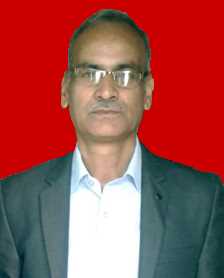
July 04, 2026 | Omkar Dattatray

The prolonged delay in nominating Members of the Legislative Assembly from the Kashmiri Pandit community is not merely an administrative lapse; it is a reflection of a deeper malaise that continues to haunt the democratic and moral conscience of the nation. For a community that has endured displacement, dispossession, and decades of exile from its ancestral homeland, political representation is not a symbolic luxury but a necessary instrument of justice, voice, and reintegration. The absence of timely nominations raises uncomfortable questions about intent, priority, and the sincerity of commitments made to one of the most historically rooted yet tragically marginalized communities of Kashmir. Kashmiri Pandits, once an integral part of the Valley’s pluralistic fabric, were forced into an exodus in the late 1980s and early 1990s under the shadow of militancy and targeted violence. Since then, their presence in the political processes of Jammu and Kashmir has been significantly diminished. While successive governments have acknowledged their plight and promised rehabilitation, the mechanisms to ensure their meaningful participation in governance have often remained slow, inconsistent, or altogether absent. The nomination of MLAs from the community was envisioned as one such corrective measure—a bridge between displacement and democratic inclusion. Yet, the persistent delay in operationalizing this provision has rendered it ineffective. Representation in a लोकतांत्रिक framework is not simply about numbers; it is about ensuring that diverse voices are heard, especially those that have been historically silenced. The Kashmiri Pandit community carries with it a unique perspective shaped by cultural memory, displacement trauma, and an enduring connection to the Valley. Their insights into issues of security, rehabilitation, cultural preservation, and inter-community harmony are invaluable. By delaying their nomination, the system inadvertently perpetuates their exclusion, denying the legislative process the benefit of their lived experiences.

One must also consider the psychological dimension of this delay. For a community that has waited for decades to return with dignity and security, each unfulfilled promise compounds a sense of neglect and alienation. Political representation could serve as a powerful reassurance—a signal that the state acknowledges their suffering and is committed to restoring their rightful place in the socio-political landscape of Kashmir. Instead, the inordinate delay sends a contrary message, one that risks deepening mistrust and disillusionment. The reasons cited for the delay often revolve around procedural complexities, legal ambiguities, or shifting political dynamics. While governance does require adherence to due process, it is difficult to justify why a matter of such importance has not been prioritized with the urgency it deserves. In a region where political decisions are often taken swiftly in response to security or administrative exigencies, the slow pace of action on this front appears incongruous. It invites speculation that the issue may not be receiving the focused attention it warrants at the highest levels of decision-making.
Furthermore, the delay has broader implications for the idea of inclusive governance in Jammu and Kashmir. The region has undergone significant political transformation in recent years, with assurances of better integration, development, and equitable representation. In this context, the continued absence of nominated representatives from the Kashmiri Pandit community stands out as a glaring inconsistency. It raises doubts about whether inclusivity is being pursued in practice or merely articulated in policy rhetoric. There is also a constitutional and ethical dimension to consider. The provision for nomination exists precisely to address gaps in representation that cannot be filled through direct elections. It is a recognition that certain communities, due to historical or structural disadvantages, may not be able to secure adequate representation through conventional means. By failing to act on this provision in a timely manner, the state undermines the very purpose for which it was created. It is not simply a delay; it is a deviation from a principle of न्याय and equity embedded within the democratic framework.
Critically, the delay also affects the ongoing discourse around the return and rehabilitation of Kashmiri Pandits. Political representation could play a pivotal role in shaping policies that are sensitive to ground realities. Issues such as housing, employment, security arrangements, and cultural preservation require nuanced understanding and sustained advocacy. Without representatives from the community within the विधानसभा, these concerns risk being addressed in a fragmented or superficial manner. Decisions made in their absence may lack the depth and empathy that only lived experience can provide. At the same time, it is important to recognize that nomination alone is not a panacea. It must be accompanied by genuine empowerment, clear mandates, and institutional support. However, it is undeniably a crucial first step. It opens the door for dialogue, participation, and accountability. The longer this step is delayed, the longer the community remains on the margins of the political process. The issue also resonates beyond the confines of Jammu and Kashmir. It speaks to the broader challenge of how democratic systems respond to displaced and marginalized communities. It tests the credibility of commitments made in the name of justice and reconciliation. In a country that prides itself on its democratic ethos, the treatment of Kashmiri Pandits becomes a litmus test for the inclusiveness and responsiveness of its institutions.
There is an urgent need for clarity, transparency, and action. The process of nomination must be expedited with a clear timeline and well-defined criteria. It should involve consultation with representatives of the Kashmiri Pandit community to ensure that those nominated truly reflect their aspirations and concerns. Above all, it must be guided by a sense of moral responsibility rather than mere procedural compliance. The delay in nominating MLAs from the Kashmiri Pandit community is not an isolated administrative issue; it is emblematic of a larger disconnect between promise and practice. It underscores the need for a more empathetic and proactive approach to governance, one that recognizes the urgency of restoring dignity and voice to those who have long been deprived of both. In the journey towards a more inclusive and harmonious Jammu and Kashmir, ensuring timely political representation for Kashmiri Pandits is not just a step forward—it is an obligation that can no longer be deferred.


Email:-------------------------onkoul2019@gmail.com

Timely Nomination of KP MLAs is a Democratic Imperative

Critically, the delay also affects the ongoing discourse around the return and rehabilitation of Kashmiri Pandits. Political representation could play a pivotal role in shaping policies that are sensitive to ground realities. Issues such as housing, employment, security arrangements, and cultural preservation require nuanced understanding and sustained advocacy

July 04, 2026 | Omkar Dattatray

The prolonged delay in nominating Members of the Legislative Assembly from the Kashmiri Pandit community is not merely an administrative lapse; it is a reflection of a deeper malaise that continues to haunt the democratic and moral conscience of the nation. For a community that has endured displacement, dispossession, and decades of exile from its ancestral homeland, political representation is not a symbolic luxury but a necessary instrument of justice, voice, and reintegration. The absence of timely nominations raises uncomfortable questions about intent, priority, and the sincerity of commitments made to one of the most historically rooted yet tragically marginalized communities of Kashmir. Kashmiri Pandits, once an integral part of the Valley’s pluralistic fabric, were forced into an exodus in the late 1980s and early 1990s under the shadow of militancy and targeted violence. Since then, their presence in the political processes of Jammu and Kashmir has been significantly diminished. While successive governments have acknowledged their plight and promised rehabilitation, the mechanisms to ensure their meaningful participation in governance have often remained slow, inconsistent, or altogether absent. The nomination of MLAs from the community was envisioned as one such corrective measure—a bridge between displacement and democratic inclusion. Yet, the persistent delay in operationalizing this provision has rendered it ineffective. Representation in a लोकतांत्रिक framework is not simply about numbers; it is about ensuring that diverse voices are heard, especially those that have been historically silenced. The Kashmiri Pandit community carries with it a unique perspective shaped by cultural memory, displacement trauma, and an enduring connection to the Valley. Their insights into issues of security, rehabilitation, cultural preservation, and inter-community harmony are invaluable. By delaying their nomination, the system inadvertently perpetuates their exclusion, denying the legislative process the benefit of their lived experiences.

One must also consider the psychological dimension of this delay. For a community that has waited for decades to return with dignity and security, each unfulfilled promise compounds a sense of neglect and alienation. Political representation could serve as a powerful reassurance—a signal that the state acknowledges their suffering and is committed to restoring their rightful place in the socio-political landscape of Kashmir. Instead, the inordinate delay sends a contrary message, one that risks deepening mistrust and disillusionment. The reasons cited for the delay often revolve around procedural complexities, legal ambiguities, or shifting political dynamics. While governance does require adherence to due process, it is difficult to justify why a matter of such importance has not been prioritized with the urgency it deserves. In a region where political decisions are often taken swiftly in response to security or administrative exigencies, the slow pace of action on this front appears incongruous. It invites speculation that the issue may not be receiving the focused attention it warrants at the highest levels of decision-making.
Furthermore, the delay has broader implications for the idea of inclusive governance in Jammu and Kashmir. The region has undergone significant political transformation in recent years, with assurances of better integration, development, and equitable representation. In this context, the continued absence of nominated representatives from the Kashmiri Pandit community stands out as a glaring inconsistency. It raises doubts about whether inclusivity is being pursued in practice or merely articulated in policy rhetoric. There is also a constitutional and ethical dimension to consider. The provision for nomination exists precisely to address gaps in representation that cannot be filled through direct elections. It is a recognition that certain communities, due to historical or structural disadvantages, may not be able to secure adequate representation through conventional means. By failing to act on this provision in a timely manner, the state undermines the very purpose for which it was created. It is not simply a delay; it is a deviation from a principle of न्याय and equity embedded within the democratic framework.
Critically, the delay also affects the ongoing discourse around the return and rehabilitation of Kashmiri Pandits. Political representation could play a pivotal role in shaping policies that are sensitive to ground realities. Issues such as housing, employment, security arrangements, and cultural preservation require nuanced understanding and sustained advocacy. Without representatives from the community within the विधानसभा, these concerns risk being addressed in a fragmented or superficial manner. Decisions made in their absence may lack the depth and empathy that only lived experience can provide. At the same time, it is important to recognize that nomination alone is not a panacea. It must be accompanied by genuine empowerment, clear mandates, and institutional support. However, it is undeniably a crucial first step. It opens the door for dialogue, participation, and accountability. The longer this step is delayed, the longer the community remains on the margins of the political process. The issue also resonates beyond the confines of Jammu and Kashmir. It speaks to the broader challenge of how democratic systems respond to displaced and marginalized communities. It tests the credibility of commitments made in the name of justice and reconciliation. In a country that prides itself on its democratic ethos, the treatment of Kashmiri Pandits becomes a litmus test for the inclusiveness and responsiveness of its institutions.
There is an urgent need for clarity, transparency, and action. The process of nomination must be expedited with a clear timeline and well-defined criteria. It should involve consultation with representatives of the Kashmiri Pandit community to ensure that those nominated truly reflect their aspirations and concerns. Above all, it must be guided by a sense of moral responsibility rather than mere procedural compliance. The delay in nominating MLAs from the Kashmiri Pandit community is not an isolated administrative issue; it is emblematic of a larger disconnect between promise and practice. It underscores the need for a more empathetic and proactive approach to governance, one that recognizes the urgency of restoring dignity and voice to those who have long been deprived of both. In the journey towards a more inclusive and harmonious Jammu and Kashmir, ensuring timely political representation for Kashmiri Pandits is not just a step forward—it is an obligation that can no longer be deferred.


Email:-------------------------onkoul2019@gmail.com

  • Address: R.C 2 Quarters Press Enclave Near Pratap Park, Srinagar 190001.
  • Phone: 0194-2451076 , +91-941-940-0056 , +91-962-292-4716
  • Email: brighterkmr@gmail.com
Owner, Printer, Publisher, Editor: Farooq Ahmad Wani
Legal Advisor: M.J. Hubi
Printed at: Sangermal offset Printing Press Rangreth ( Budgam)
Published from: Gulshanabad Chraresharief Budgam
RNI No.: JKENG/2010/33802
Office No’s: 0194-2451076
Mobile No’s 9419400056, 9622924716 ,7006086442
Postal Regd No: SK/135/2010-2019
POST BOX NO: 1001
Administrative Office: R.C 2 Quarters Press Enclave Near Pratap Park ( Srinagar -190001)

© Copyright 2023 brighterkashmir.com All Rights Reserved. Quantum Technologies

Owner, Printer, Publisher, Editor: Farooq Ahmad Wani
Legal Advisor: M.J. Hubi
Printed at: Abid Enterprizes, Zainkote Srinagar
Published from: Gulshanabad Chraresharief Budgam
RNI No.: JKENG/2010/33802
Office No’s: 0194-2451076, 9622924716 , 9419400056
Postal Regd No: SK/135/2010-2019
Administrative Office: Abi Guzer Srinagar

© Copyright 2018 brighterkashmir.com All Rights Reserved.