
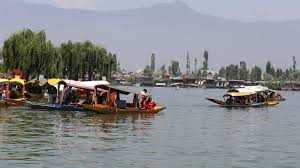
In recent years, Jammu & Kashmir has experienced a large inflow of tourists. There has been a massive turnout of religious, cultural, as well as national tourists, along with international tourists who visited the location to learn about its cultural heritage.
Jammu & Kashmir is witnessing the rise of a new sector that is contributing significantly to economic development, namely, tourism. The state has experienced a significant flow of tourists in recent times, resulting in the generation of employment opportunities, helping small businesses, and overall development in various sectors. The government, businessmen, as well as the Indian Army, are making collective efforts for the sustainability of tourism and ensuring that it is an activity that helps develop the neighbouring communities.
In recent years, Jammu & Kashmir has experienced a large inflow of tourists. There has been a massive turnout of religious, cultural, as well as national tourists, along with international tourists who visited the location to learn about its cultural heritage. The rise in the number of tourists has been a great source of income for the locals, thus resulting in the development of infrastructure such as hotels, transportation, and even local small businesses.
The local economy has been positively affected by tourism. Hotels, restaurants, transportation, and markets have expanded with the increased number of visitors. New markets have been created for local craftspeople, with guides and service providers being offered employment. The government has invested in ensuring that infrastructure, safety, and marketing activity are all improved, making sure that even small towns and rural areas derive benefits from tourism. This is a way of ensuring that tourism is even more inclusive.
The development of new tourism clusters is now a priority for the government. The tourism clusters are centered on providing accommodation, cultural programs, adventure tourism, and transport facilities. Eco-tourism, heritage tourism, and community-based tourism are also becoming prominent, providing increased opportunities for the locals to earn money and upgrade their skills.
The Indian Army has been a vital factor in the development of tourism in Jammu & Kashmir. Although the fundamental aim of the Army is to provide safeguards for the state, it has expanded its interests to include the development of the economy within Jammu & Kashmir, which is a result of tourism. Regions with high altitudes, which were limited to only Army personnel, are now open to tourists. This enables the locals to derive benefits from tourism, such as staying with local families, acting as guides, and taking part in adventure tourism.
The communities are aided in preparing for tourism by conducting training sessions for guides, safety education, and helping with infrastructure development. This helps the communities run the tourist services efficiently, ensuring that even the most distant regions are accessible, thereby providing economic benefits to the communities. Even villages that were cut off from the world now get a chance to be an integral part of the tourism sector.
Operation Sadbhavana, which is the Army’s goodwill activity, has strengthened tourist development ties. It helps to develop educational institutions, community halls, vocational training centers, and provides youth with adequate skills necessary for tourist development. The establishment of health camps, social support, as well as youth engagement increases the living standards of the locals, hence making the environment amiable for tourists. It motivates the locals to engage in home stays, cultural events, as well as lead tourists.
Sporting events, cultural events, as well as community events, when organized with the participation of the Army, can increase skills related to hospitality, event organization, and tourism. Cricket matches, festivals, and joint events with locals develop a sense of trust, cooperation, and confidence, thereby leading to increased tourism. The presence of the Army gives assurance of security, which is a critical component in developing consistent tourist activity.
For the future, the possibilities of making tourism a sustainable activity are considerable. The government sector is encouraging eco-tourism, wellness tourism, and cultural tourism with respect for local cultures. New destinations are emerging, protected areas are maintained, and communities are being brought on board in the decision-making process. Such projects as eco-parks, adventure, and community-based initiatives provide scope for development in harmony with nature and society.
Apart from security, the Indian Army contributes significantly to social and economic development. Army Canteens offer food that is both inexpensive and healthy, thus alleviating the daily struggles of the poorer section. On the other hand, the Army has played a key role in tourism development by making it safe, providing better facilities and helping the tourists. The above actions have actually brought back the tourist flow in J&K, which in turn has opened new job avenues and also helped instil peace and trust in the area.
The presence of tourism in Jammu and Kashmir has, therefore, emerged as a significant factor in economic development. Employment businesses and a sense of community are some benefits that come with tourism. It is because of the Army’s interventions that travel is safe, which is a significant advantage in ensuring that tourism in the state thrives.
Email:----------------------vadaiekashmir@gmail.com
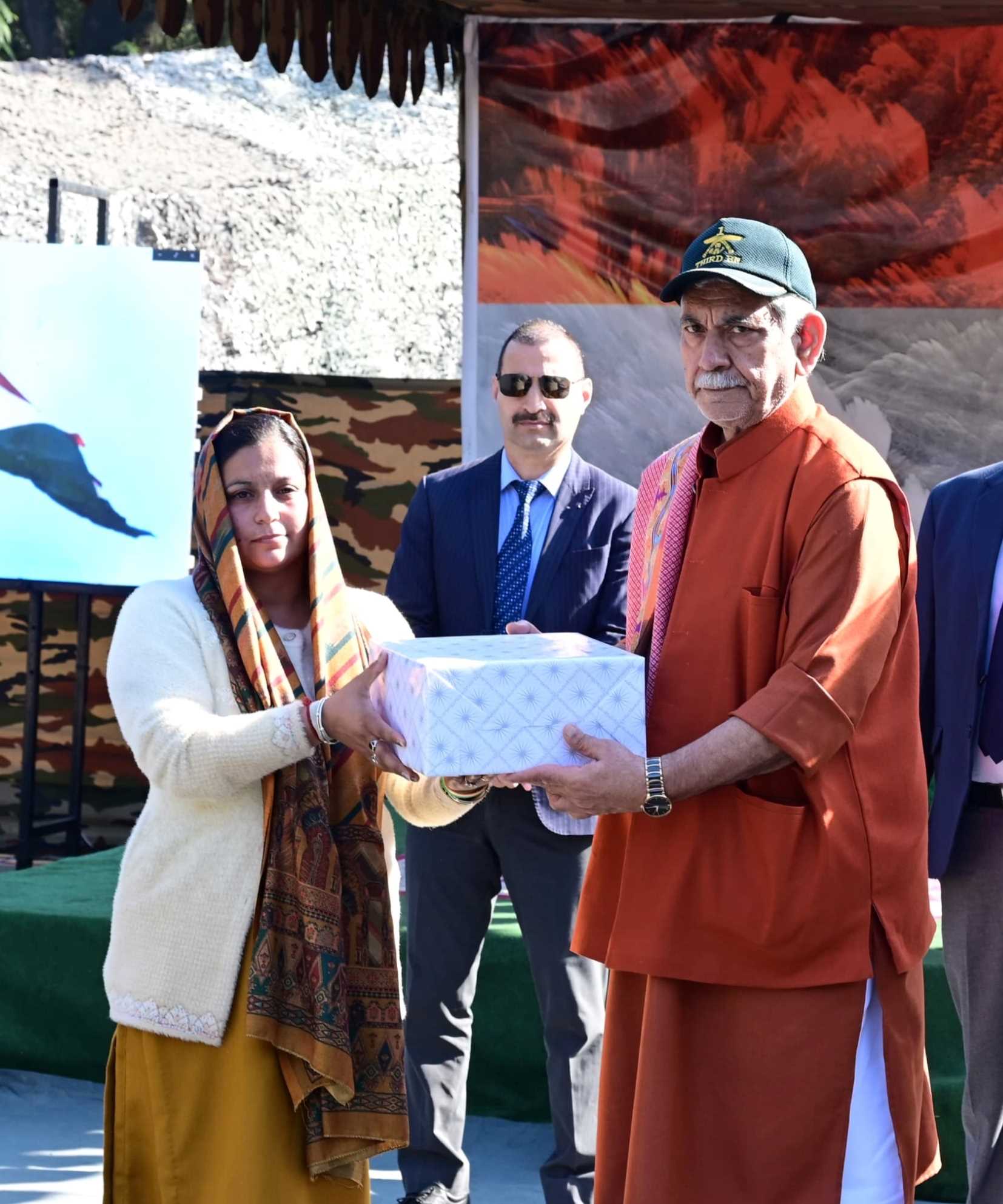

In recent years, Jammu & Kashmir has experienced a large inflow of tourists. There has been a massive turnout of religious, cultural, as well as national tourists, along with international tourists who visited the location to learn about its cultural heritage.
Jammu & Kashmir is witnessing the rise of a new sector that is contributing significantly to economic development, namely, tourism. The state has experienced a significant flow of tourists in recent times, resulting in the generation of employment opportunities, helping small businesses, and overall development in various sectors. The government, businessmen, as well as the Indian Army, are making collective efforts for the sustainability of tourism and ensuring that it is an activity that helps develop the neighbouring communities.
In recent years, Jammu & Kashmir has experienced a large inflow of tourists. There has been a massive turnout of religious, cultural, as well as national tourists, along with international tourists who visited the location to learn about its cultural heritage. The rise in the number of tourists has been a great source of income for the locals, thus resulting in the development of infrastructure such as hotels, transportation, and even local small businesses.
The local economy has been positively affected by tourism. Hotels, restaurants, transportation, and markets have expanded with the increased number of visitors. New markets have been created for local craftspeople, with guides and service providers being offered employment. The government has invested in ensuring that infrastructure, safety, and marketing activity are all improved, making sure that even small towns and rural areas derive benefits from tourism. This is a way of ensuring that tourism is even more inclusive.
The development of new tourism clusters is now a priority for the government. The tourism clusters are centered on providing accommodation, cultural programs, adventure tourism, and transport facilities. Eco-tourism, heritage tourism, and community-based tourism are also becoming prominent, providing increased opportunities for the locals to earn money and upgrade their skills.
The Indian Army has been a vital factor in the development of tourism in Jammu & Kashmir. Although the fundamental aim of the Army is to provide safeguards for the state, it has expanded its interests to include the development of the economy within Jammu & Kashmir, which is a result of tourism. Regions with high altitudes, which were limited to only Army personnel, are now open to tourists. This enables the locals to derive benefits from tourism, such as staying with local families, acting as guides, and taking part in adventure tourism.
The communities are aided in preparing for tourism by conducting training sessions for guides, safety education, and helping with infrastructure development. This helps the communities run the tourist services efficiently, ensuring that even the most distant regions are accessible, thereby providing economic benefits to the communities. Even villages that were cut off from the world now get a chance to be an integral part of the tourism sector.
Operation Sadbhavana, which is the Army’s goodwill activity, has strengthened tourist development ties. It helps to develop educational institutions, community halls, vocational training centers, and provides youth with adequate skills necessary for tourist development. The establishment of health camps, social support, as well as youth engagement increases the living standards of the locals, hence making the environment amiable for tourists. It motivates the locals to engage in home stays, cultural events, as well as lead tourists.
Sporting events, cultural events, as well as community events, when organized with the participation of the Army, can increase skills related to hospitality, event organization, and tourism. Cricket matches, festivals, and joint events with locals develop a sense of trust, cooperation, and confidence, thereby leading to increased tourism. The presence of the Army gives assurance of security, which is a critical component in developing consistent tourist activity.
For the future, the possibilities of making tourism a sustainable activity are considerable. The government sector is encouraging eco-tourism, wellness tourism, and cultural tourism with respect for local cultures. New destinations are emerging, protected areas are maintained, and communities are being brought on board in the decision-making process. Such projects as eco-parks, adventure, and community-based initiatives provide scope for development in harmony with nature and society.
Apart from security, the Indian Army contributes significantly to social and economic development. Army Canteens offer food that is both inexpensive and healthy, thus alleviating the daily struggles of the poorer section. On the other hand, the Army has played a key role in tourism development by making it safe, providing better facilities and helping the tourists. The above actions have actually brought back the tourist flow in J&K, which in turn has opened new job avenues and also helped instil peace and trust in the area.
The presence of tourism in Jammu and Kashmir has, therefore, emerged as a significant factor in economic development. Employment businesses and a sense of community are some benefits that come with tourism. It is because of the Army’s interventions that travel is safe, which is a significant advantage in ensuring that tourism in the state thrives.
Email:----------------------vadaiekashmir@gmail.com

© Copyright 2023 brighterkashmir.com All Rights Reserved. Quantum Technologies