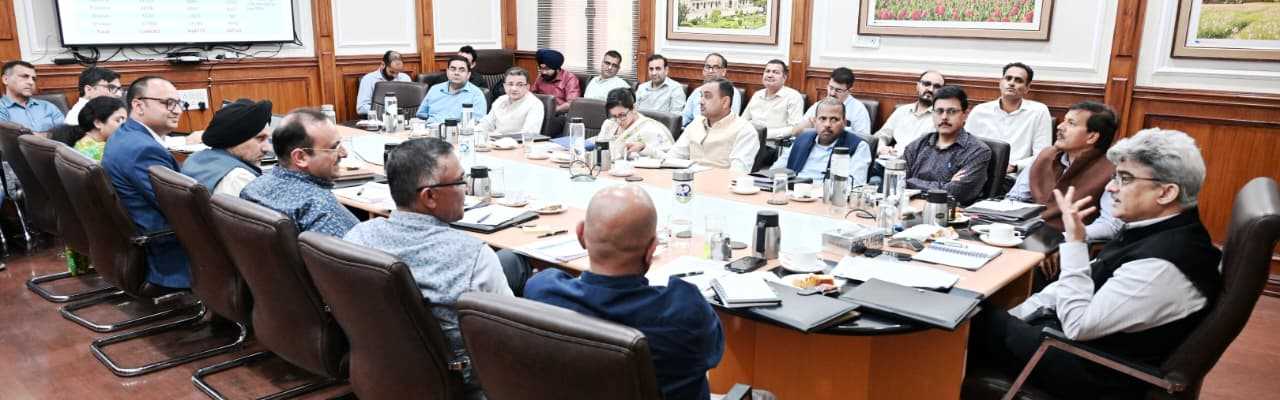
Cancer continues to shape lives across India, and Jammu and Kashmir is no exception. During December 22–24, 2025, the 2nd International Conference on Breast and Allied Cancers (JK-IBAC-2025) was held at the University of Kashmir, marking an important platform for cancer discourse in the region. Organized by the Department of Bioresources, University of Kashmir, in collaboration with Sher-i-Kashmir Institute of Medical Sciences (SKIMS) and Government Medical College, Srinagar, and sponsored by the Anusandhan National Research Foundation (ANRF), Department of Science and Technology, Government of India, the conference united clinicians, scientists, researchers, and public health professionals from across India and abroad.
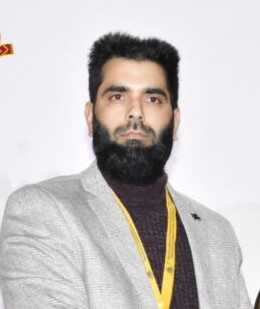
As an invited keynote speaker, I delivered a lecture titled “Unraveling Colorectal Cancer: From Risk Factors to Prevention via In-Vivo Models,” which examined established risk factors for colorectal cancer and their relevance to preventive strategies. The conference reflected a strong collective commitment to advancing scientific understanding alongside public awareness. Guided by the theme “United by Unique,” the discussions highlighted the importance of cancer prevention and control strategies that are responsive to the distinct social, environmental, and healthcare challenges of Jammu and Kashmir. In this context, I felt it was important to share the broader insights that emerged from these deliberations in the interest of public awareness.
A Scientific and Societal Imperative
Discussions during the conference spanned molecular oncology, clinical practice, community outreach, and policy engagement. Yet the most recurring theme was clear: awareness and prevention are fundamental to reducing cancer burden. While genetics influence cancer risk, modifiable factors—such as diet, physical inactivity, tobacco use, and delayed detection—account for a significant proportion of cancer cases worldwide. Advances in research and treatment are vital, but so is empowering people with knowledge to minimize risk long before a diagnosis occurs.
Evidence-Based Actions for Prevention
Experts highlighted evidence-based preventive steps that are both scientifically sound and immediately actionable:
Expand Awareness Campaigns: Social stigma often hinders early reporting of symptoms, particularly in rural and conservative communities. Normalizing conversations about cancer signs and symptoms is critical to early action.
Promote Early Screening: Conditions like breast and colorectal cancers are most treatable when detected early. Encouraging routine clinical screenings—such as mammography and colonoscopy, where appropriate—can shift outcomes dramatically.
Encourage Healthy Lifestyles: A balanced diet rich in whole foods, regular physical activity, and avoidance of tobacco and alcohol are strong preventive measures supported by decades of research.
Strengthen Community Outreach: Leveraging mobile health units, telemedicine, and community health workers can bridge gaps in access and ensure preventive services reach underserved populations.
These recommendations align with global cancer prevention frameworks and underscore the need to localize strategies so they resonate with cultural practices and healthcare realities in Jammu and Kashmir.
Food Safety and Public Health
One shared concern during the event was the role of food safety in long-term health. While routine contamination or food adulteration is a public health issue, scientific evidence supports that chronic exposure to certain harmful substances—such as heavy metals or industrial chemicals—can contribute to cellular stress and long-term disease risk, including cancer. Strengthening regulatory testing, enforcing food quality standards, and increasing public awareness about safe food handling are important steps in protecting community health.
At the same time, it is essential to rely on verified regulatory data and avoid unverified claims that can erode trust. Public safety communication should always be rooted in validated evidence to support informed decision-making.
Collaborations and Commitment
The conference reflected a shared commitment to multidisciplinary action. Experts emphasized that research must be paired with public health outreach. Speakers from medical colleges and research institutes advocated for integrating early detection, clinical excellence, community awareness, and policy innovation as interconnected strands in the fight against cancer.
A Message of Hope and Responsibility
I extend my sincere thanks to the organizers and all academic and health partners—for conducting this conference and uniting experts from across India and abroad under a common banner for the greater good of society. Their work reinforces that cancer is not merely a clinical challenge but a societal one, requiring collaboration at every level.
Cancer touches individuals, families, and communities. Yet, it is a disease that offers opportunities for prevention, early detection, and meaningful intervention. By spreading awareness, adopting healthier lifestyles, strengthening food and environmental safety, and ensuring early access to screening services, we can move beyond treatment alone toward true prevention. This conference stands as a testament to what is possible when research, clinical care, and community engagement come together. Together, we can transform awareness into action and hope into measurable public health gains.
Email:---------------------umerkhwaja.zoo@gmail.com
Cancer continues to shape lives across India, and Jammu and Kashmir is no exception. During December 22–24, 2025, the 2nd International Conference on Breast and Allied Cancers (JK-IBAC-2025) was held at the University of Kashmir, marking an important platform for cancer discourse in the region. Organized by the Department of Bioresources, University of Kashmir, in collaboration with Sher-i-Kashmir Institute of Medical Sciences (SKIMS) and Government Medical College, Srinagar, and sponsored by the Anusandhan National Research Foundation (ANRF), Department of Science and Technology, Government of India, the conference united clinicians, scientists, researchers, and public health professionals from across India and abroad.
As an invited keynote speaker, I delivered a lecture titled “Unraveling Colorectal Cancer: From Risk Factors to Prevention via In-Vivo Models,” which examined established risk factors for colorectal cancer and their relevance to preventive strategies. The conference reflected a strong collective commitment to advancing scientific understanding alongside public awareness. Guided by the theme “United by Unique,” the discussions highlighted the importance of cancer prevention and control strategies that are responsive to the distinct social, environmental, and healthcare challenges of Jammu and Kashmir. In this context, I felt it was important to share the broader insights that emerged from these deliberations in the interest of public awareness.
A Scientific and Societal Imperative
Discussions during the conference spanned molecular oncology, clinical practice, community outreach, and policy engagement. Yet the most recurring theme was clear: awareness and prevention are fundamental to reducing cancer burden. While genetics influence cancer risk, modifiable factors—such as diet, physical inactivity, tobacco use, and delayed detection—account for a significant proportion of cancer cases worldwide. Advances in research and treatment are vital, but so is empowering people with knowledge to minimize risk long before a diagnosis occurs.
Evidence-Based Actions for Prevention
Experts highlighted evidence-based preventive steps that are both scientifically sound and immediately actionable:
Expand Awareness Campaigns: Social stigma often hinders early reporting of symptoms, particularly in rural and conservative communities. Normalizing conversations about cancer signs and symptoms is critical to early action.
Promote Early Screening: Conditions like breast and colorectal cancers are most treatable when detected early. Encouraging routine clinical screenings—such as mammography and colonoscopy, where appropriate—can shift outcomes dramatically.
Encourage Healthy Lifestyles: A balanced diet rich in whole foods, regular physical activity, and avoidance of tobacco and alcohol are strong preventive measures supported by decades of research.
Strengthen Community Outreach: Leveraging mobile health units, telemedicine, and community health workers can bridge gaps in access and ensure preventive services reach underserved populations.
These recommendations align with global cancer prevention frameworks and underscore the need to localize strategies so they resonate with cultural practices and healthcare realities in Jammu and Kashmir.
Food Safety and Public Health
One shared concern during the event was the role of food safety in long-term health. While routine contamination or food adulteration is a public health issue, scientific evidence supports that chronic exposure to certain harmful substances—such as heavy metals or industrial chemicals—can contribute to cellular stress and long-term disease risk, including cancer. Strengthening regulatory testing, enforcing food quality standards, and increasing public awareness about safe food handling are important steps in protecting community health.
At the same time, it is essential to rely on verified regulatory data and avoid unverified claims that can erode trust. Public safety communication should always be rooted in validated evidence to support informed decision-making.
Collaborations and Commitment
The conference reflected a shared commitment to multidisciplinary action. Experts emphasized that research must be paired with public health outreach. Speakers from medical colleges and research institutes advocated for integrating early detection, clinical excellence, community awareness, and policy innovation as interconnected strands in the fight against cancer.
A Message of Hope and Responsibility
I extend my sincere thanks to the organizers and all academic and health partners—for conducting this conference and uniting experts from across India and abroad under a common banner for the greater good of society. Their work reinforces that cancer is not merely a clinical challenge but a societal one, requiring collaboration at every level.
Cancer touches individuals, families, and communities. Yet, it is a disease that offers opportunities for prevention, early detection, and meaningful intervention. By spreading awareness, adopting healthier lifestyles, strengthening food and environmental safety, and ensuring early access to screening services, we can move beyond treatment alone toward true prevention. This conference stands as a testament to what is possible when research, clinical care, and community engagement come together. Together, we can transform awareness into action and hope into measurable public health gains.
Email:---------------------umerkhwaja.zoo@gmail.com

© Copyright 2023 brighterkashmir.com All Rights Reserved. Quantum Technologies