
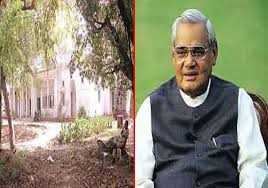
But Vajpayee had this address changed to 6-A Krishna Menon Marg. This change was not just an administrative decision; it also reflected elements of numerology and political traditions
In Indian politics, Atal Bihari Vajpayee is a name whose image has always been charismatic and inspirational. He was not only a skilled politician but also known as a poet, orator, and visionary leader. However, there are some anecdotes from his life that highlight his personal beliefs. One such interesting incident is the change of address of his house on Krishna Menon Marg. In 2004, when he was relieved from the post of Prime Minister, he was allotted a bungalow at 8 Krishna Menon Marg in the Lutyens' Zone of the capital.
But Vajpayee had this address changed to 6-A Krishna Menon Marg. This change was not just an administrative decision; it also reflected elements of numerology and political traditions.
First, it is essential to understand the background of Vajpayee changing his house address. In the 2004 Lok Sabha elections, the Bharatiya Janata Party (BJP)-led National Democratic Alliance (NDA) faced an unexpected defeat. Atal Bihari Vajpayee, who had been Prime Minister from 1998 to 2004, had launched the 'India Shining' campaign before the elections, but voters handed power to the Congress-led United Progressive Alliance (UPA). After the election results, Vajpayee remained as caretaker Prime Minister, and during this period, arrangements were being made for a government residence for him as a former Prime Minister. As per tradition, former Prime Ministers are allotted a large bungalow in Lutyens' Delhi. Vajpayee was selected for the bungalow at 8 Krishna Menon Marg, which was previously the residence of DMK leader Murasoli Maran. Maran had died of heart disease in November 2003, and he was a minister in the Vajpayee government. Due to this, some people considered the house 'jinxed' or cursed.
Auspicious and Inauspicious Numbers
Experts say that Vajpayee's team did not like this address. The reason was that the number 8 was considered inauspicious. Renowned Vastu expert and numerology specialist Dr. J.P. Sharma (Laldhagewale) says that in Indian numerology and astrology, some numbers are considered auspicious, while others are inauspicious. For Vajpayee, the number 13 had always been lucky—he served as Prime Minister for 13 days, 13 months, and then a full five years. But he or his close associates considered 8 inauspicious. Additionally, the untimely death of the previous resident increased concerns.
Possibly for this reason, an official request was made from the Prime Minister's Office (PMO) to change the address. On May 19, 2004, the then Additional Secretary in the PMO, Ashok Saikia, wrote a letter (No. 652/ASA/G/04) to Additional Secretary Anupam Dasgupta in the Ministry of Urban Development. The letter stated: "We have been advised that it would be more appropriate to renumber Bungalow No. 8, Krishna Menon Marg as 6-A before its allotment to the Prime Minister after he demits office. I hope you will consider this request positively." Former Information Director of the New Delhi Municipal Council (NDMC), Madan Thapliyal, used to say that as soon as the Urban Development Ministry gave the green signal, his department completed the necessary proceedings.
The interesting thing is that all this happened within a few days. When RTI activist Subhash Chandra Agrawal sought information about this in 2013, it was revealed that factors like astrology, numerology, or Vastu are not considered in government residences, but an exception was made in Vajpayee's case. Meanwhile, Subhash Chandra Agrawal said that about a month earlier, he had filed another RTI seeking information on when 6-A Krishna Menon Marg would be reverted to 8 Krishna Menon Marg.
Vajpayee suffered from knee problems, so ramps and special toilets were built in the house. He shifted there after about 3-4 weeks. What happened after this incident? Vajpayee lived in this same house from 2004 until his death in 2018, along with his family.
Meanwhile, Rajendra Prasad Road is located just three to four minutes away from India Gate or Parliament House. This road has many government bungalows allotted to MPs and senior officials of the Government of India. But among these, the bungalow at 30 Rajendra Prasad Road is very special in itself. The reason is worth knowing. In fact, in the 1960s, this bungalow was allotted to Atal Bihari Vajpayee. From this very bungalow, the funeral procession of Pandit Deendayal Upadhyaya—the chief ideologue of Jansangh (the predecessor organization of today's Bharatiya Janata Party) and the Rashtriya Swayamsevak Sangh (RSS)—was taken out on February 12, 1968.
Deendayal Ji's Deep Relationship with Atal Ji
Whenever Pandit Deendayal Upadhyaya came to Delhi, he stayed with Atal Bihari Vajpayee. This relationship was not limited to just accommodation; it was a symbol of the ideological and personal closeness between the two leaders. Pandit Deendayal Upadhyaya's niece, Dr. Madhu Sharma, has described this relationship in detail in her book Pandit Deendayal Upadhyaya: Ek Rajneeti Ki Pathshala. She wrote that on February 11, 1968, her father Shri Prabhu Dayal had come to Delhi to meet his elder brother. That evening, while they were having dinner at 30 Rajendra Prasad Road, a phone call came. Atal Ji's servant Birju answered the phone and received the news that Deendayal Ji had been murdered. Birju somehow conveyed this tragic news to Atal Ji, who was in Parliament House at the time. This moment was extremely shocking for the entire household and the organization.
From Mughalsarai to Delhi
As soon as the news of Pandit Deendayal Upadhyaya's mysterious murder in Mughalsarai spread, hundreds of people gathered around 30 Rajendra Prasad Road. There was a mix of anger, grief, and disbelief among the people. His mortal remains were brought from Mughalsarai to this bungalow. Here, the then Prime Minister of the country, Indira Gandhi, Morarji Desai (who later became Prime Minister), and many other prominent leaders arrived to pay tribute. The next day, on February 12, 1968, the funeral procession started from this bungalow towards Nigambodh Ghat.
It may be recalled that in Delhi, Atal ji lived in many houses.
Email;---------------------vivekshukladelhi@gmail.com

But Vajpayee had this address changed to 6-A Krishna Menon Marg. This change was not just an administrative decision; it also reflected elements of numerology and political traditions
In Indian politics, Atal Bihari Vajpayee is a name whose image has always been charismatic and inspirational. He was not only a skilled politician but also known as a poet, orator, and visionary leader. However, there are some anecdotes from his life that highlight his personal beliefs. One such interesting incident is the change of address of his house on Krishna Menon Marg. In 2004, when he was relieved from the post of Prime Minister, he was allotted a bungalow at 8 Krishna Menon Marg in the Lutyens' Zone of the capital.
But Vajpayee had this address changed to 6-A Krishna Menon Marg. This change was not just an administrative decision; it also reflected elements of numerology and political traditions.
First, it is essential to understand the background of Vajpayee changing his house address. In the 2004 Lok Sabha elections, the Bharatiya Janata Party (BJP)-led National Democratic Alliance (NDA) faced an unexpected defeat. Atal Bihari Vajpayee, who had been Prime Minister from 1998 to 2004, had launched the 'India Shining' campaign before the elections, but voters handed power to the Congress-led United Progressive Alliance (UPA). After the election results, Vajpayee remained as caretaker Prime Minister, and during this period, arrangements were being made for a government residence for him as a former Prime Minister. As per tradition, former Prime Ministers are allotted a large bungalow in Lutyens' Delhi. Vajpayee was selected for the bungalow at 8 Krishna Menon Marg, which was previously the residence of DMK leader Murasoli Maran. Maran had died of heart disease in November 2003, and he was a minister in the Vajpayee government. Due to this, some people considered the house 'jinxed' or cursed.
Auspicious and Inauspicious Numbers
Experts say that Vajpayee's team did not like this address. The reason was that the number 8 was considered inauspicious. Renowned Vastu expert and numerology specialist Dr. J.P. Sharma (Laldhagewale) says that in Indian numerology and astrology, some numbers are considered auspicious, while others are inauspicious. For Vajpayee, the number 13 had always been lucky—he served as Prime Minister for 13 days, 13 months, and then a full five years. But he or his close associates considered 8 inauspicious. Additionally, the untimely death of the previous resident increased concerns.
Possibly for this reason, an official request was made from the Prime Minister's Office (PMO) to change the address. On May 19, 2004, the then Additional Secretary in the PMO, Ashok Saikia, wrote a letter (No. 652/ASA/G/04) to Additional Secretary Anupam Dasgupta in the Ministry of Urban Development. The letter stated: "We have been advised that it would be more appropriate to renumber Bungalow No. 8, Krishna Menon Marg as 6-A before its allotment to the Prime Minister after he demits office. I hope you will consider this request positively." Former Information Director of the New Delhi Municipal Council (NDMC), Madan Thapliyal, used to say that as soon as the Urban Development Ministry gave the green signal, his department completed the necessary proceedings.
The interesting thing is that all this happened within a few days. When RTI activist Subhash Chandra Agrawal sought information about this in 2013, it was revealed that factors like astrology, numerology, or Vastu are not considered in government residences, but an exception was made in Vajpayee's case. Meanwhile, Subhash Chandra Agrawal said that about a month earlier, he had filed another RTI seeking information on when 6-A Krishna Menon Marg would be reverted to 8 Krishna Menon Marg.
Vajpayee suffered from knee problems, so ramps and special toilets were built in the house. He shifted there after about 3-4 weeks. What happened after this incident? Vajpayee lived in this same house from 2004 until his death in 2018, along with his family.
Meanwhile, Rajendra Prasad Road is located just three to four minutes away from India Gate or Parliament House. This road has many government bungalows allotted to MPs and senior officials of the Government of India. But among these, the bungalow at 30 Rajendra Prasad Road is very special in itself. The reason is worth knowing. In fact, in the 1960s, this bungalow was allotted to Atal Bihari Vajpayee. From this very bungalow, the funeral procession of Pandit Deendayal Upadhyaya—the chief ideologue of Jansangh (the predecessor organization of today's Bharatiya Janata Party) and the Rashtriya Swayamsevak Sangh (RSS)—was taken out on February 12, 1968.
Deendayal Ji's Deep Relationship with Atal Ji
Whenever Pandit Deendayal Upadhyaya came to Delhi, he stayed with Atal Bihari Vajpayee. This relationship was not limited to just accommodation; it was a symbol of the ideological and personal closeness between the two leaders. Pandit Deendayal Upadhyaya's niece, Dr. Madhu Sharma, has described this relationship in detail in her book Pandit Deendayal Upadhyaya: Ek Rajneeti Ki Pathshala. She wrote that on February 11, 1968, her father Shri Prabhu Dayal had come to Delhi to meet his elder brother. That evening, while they were having dinner at 30 Rajendra Prasad Road, a phone call came. Atal Ji's servant Birju answered the phone and received the news that Deendayal Ji had been murdered. Birju somehow conveyed this tragic news to Atal Ji, who was in Parliament House at the time. This moment was extremely shocking for the entire household and the organization.
From Mughalsarai to Delhi
As soon as the news of Pandit Deendayal Upadhyaya's mysterious murder in Mughalsarai spread, hundreds of people gathered around 30 Rajendra Prasad Road. There was a mix of anger, grief, and disbelief among the people. His mortal remains were brought from Mughalsarai to this bungalow. Here, the then Prime Minister of the country, Indira Gandhi, Morarji Desai (who later became Prime Minister), and many other prominent leaders arrived to pay tribute. The next day, on February 12, 1968, the funeral procession started from this bungalow towards Nigambodh Ghat.
It may be recalled that in Delhi, Atal ji lived in many houses.
Email;---------------------vivekshukladelhi@gmail.com

© Copyright 2023 brighterkashmir.com All Rights Reserved. Quantum Technologies