
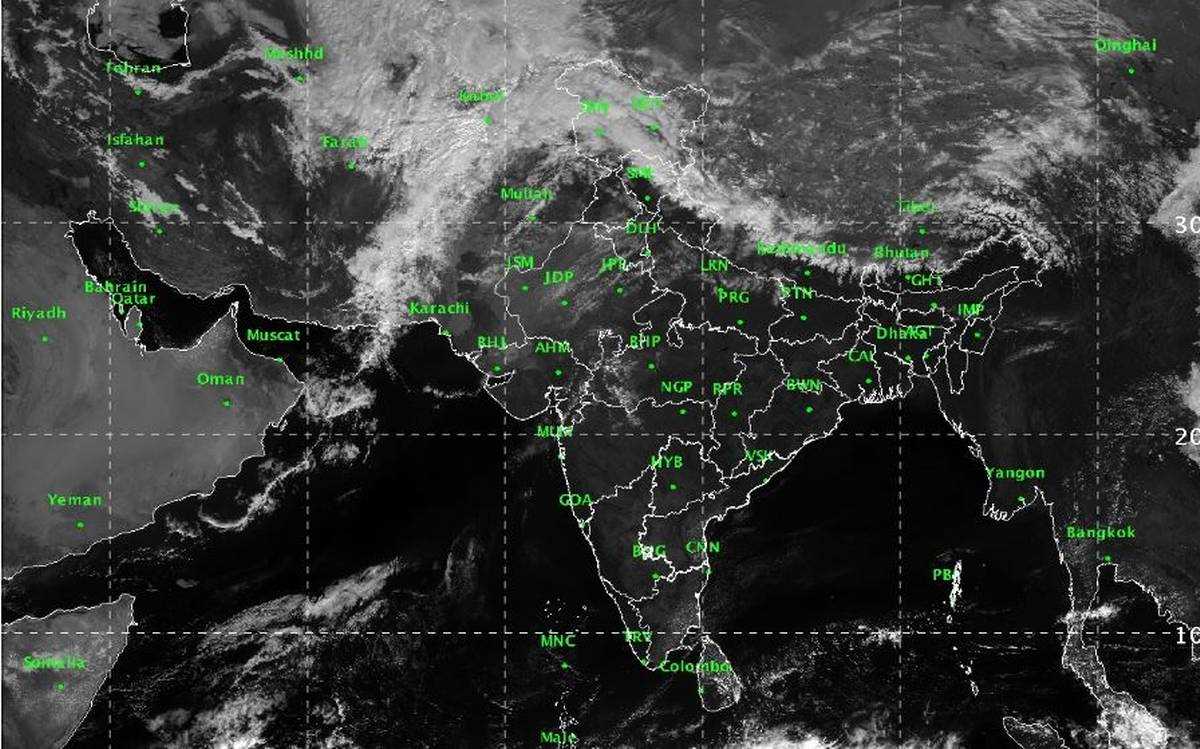
Kashmir, known for its picturesque snowy landscapes during winter, is experiencing an unusual dry spell this year, raising concerns about the complex interplay of various climate factors. A combination of global phenomena and local conditions has led to reduced snowfall, with potential far-reaching consequences for the region.
The ongoing El Niño phenomenon, characterized by warmer sea surface temperatures in the Pacific Ocean, is disrupting weather patterns worldwide. In Kashmir, this has translated to reduced snowfall in the Himalayas, as altered atmospheric circulation patterns contribute to drier conditions.
Typically, moisture-laden Western Disturbances bring vital precipitation to the region during winter. However, this year, these weather systems have been weaker and less frequent than usual, leaving Kashmir with minimal rain and snow.
The broader trend of global climate change is manifesting in Kashmir through rising temperatures. Warmer winters and increased snowmelt are reducing the accumulation of snow, exacerbating the dry conditions and challenging the region's water balance.
The unique topography of Kashmir within the Himalayan range contributes to the dryness. Mountains surrounding the region can obstruct moisture-laden clouds, further diminishing the chances of precipitation.
Reduced snowfall and winter precipitation threaten to deplete the region's water reserves, potentially leading to water shortages in the upcoming months.
The lack of a sufficient snow cover poses a threat to crops, as winter snow traditionally acts as a natural insulator protecting them from freezing temperatures. This may result in damage to crops and impact agricultural yields.
The diminished snowfall accelerates the melting of glaciers, a critical freshwater source during the summer. This raises apprehensions about long-term water availability and sustainability.
The tourism sector, a significant contributor to Kashmir's economy, is likely to face challenges due to the absence of the usual snowy landscape that attracts tourists during winter.
In conclusion, the dry winter in Kashmir underscores the profound impact of climate change on the region. Identifying specific causes and understanding potential consequences is paramount for implementing effective mitigation strategies and adapting to the evolving climate scenario. As Kashmir grapples with these challenges, a concerted effort is needed to address the multifaceted aspects of this environmental issue.




Kashmir, known for its picturesque snowy landscapes during winter, is experiencing an unusual dry spell this year, raising concerns about the complex interplay of various climate factors. A combination of global phenomena and local conditions has led to reduced snowfall, with potential far-reaching consequences for the region.
The ongoing El Niño phenomenon, characterized by warmer sea surface temperatures in the Pacific Ocean, is disrupting weather patterns worldwide. In Kashmir, this has translated to reduced snowfall in the Himalayas, as altered atmospheric circulation patterns contribute to drier conditions.
Typically, moisture-laden Western Disturbances bring vital precipitation to the region during winter. However, this year, these weather systems have been weaker and less frequent than usual, leaving Kashmir with minimal rain and snow.
The broader trend of global climate change is manifesting in Kashmir through rising temperatures. Warmer winters and increased snowmelt are reducing the accumulation of snow, exacerbating the dry conditions and challenging the region's water balance.
The unique topography of Kashmir within the Himalayan range contributes to the dryness. Mountains surrounding the region can obstruct moisture-laden clouds, further diminishing the chances of precipitation.
Reduced snowfall and winter precipitation threaten to deplete the region's water reserves, potentially leading to water shortages in the upcoming months.
The lack of a sufficient snow cover poses a threat to crops, as winter snow traditionally acts as a natural insulator protecting them from freezing temperatures. This may result in damage to crops and impact agricultural yields.
The diminished snowfall accelerates the melting of glaciers, a critical freshwater source during the summer. This raises apprehensions about long-term water availability and sustainability.
The tourism sector, a significant contributor to Kashmir's economy, is likely to face challenges due to the absence of the usual snowy landscape that attracts tourists during winter.
In conclusion, the dry winter in Kashmir underscores the profound impact of climate change on the region. Identifying specific causes and understanding potential consequences is paramount for implementing effective mitigation strategies and adapting to the evolving climate scenario. As Kashmir grapples with these challenges, a concerted effort is needed to address the multifaceted aspects of this environmental issue.

© Copyright 2023 brighterkashmir.com All Rights Reserved. Quantum Technologies