
BREAKING NEWS
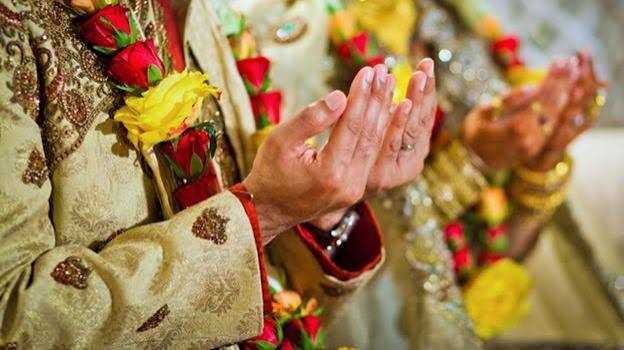
Modern Kashmiri weddings now span several days and include lavish venues, elaborate Wazwan, designer clothes, gold, decorations, photography, and multiple pre-wedding functions. Wazwan, once a symbol of hospitality and community, is often prepared in excessive quantities, while Mehendi, themed stages, floral décor, and pre-wedding or destination shoots add to the spectacle
What was once a celebration of family, community, faith and simplicity is increasingly becoming a contest of expenditure, display and social comparison. Weddings that should mark the beginning of a new life are, for many families, becoming the beginning of debt, anxiety and financial hardship.
This piece argues that marriage in Kashmir has become excessively expensive, leading some young people to postpone it because their families cannot afford the wedding. While Islam permits joyful and dignified celebrations, the problem arises when celebration turns into compulsion, hospitality becomes competition, and tradition becomes a financial burden. Modern Kashmiri weddings now span several days and include lavish venues, elaborate Wazwan, designer clothes, gold, decorations, photography, and multiple pre-wedding functions. Wazwan, once a symbol of hospitality and community, is often prepared in excessive quantities, while Mehendi, themed stages, floral décor, and pre-wedding or destination shoots add to the spectacle. Even guests may receive customised baskets of dry fruits, juices, meat, and other items bearing the couple's names. Traditional Kashmiri simplicity is thus being replaced by a culture of display and abundance.
I recently attended two weddings that began late at night and continued into the early hours. Before the Wazwan began, dry fruits, juices and other items were already being distributed. After the meal came further packets of meat and food. while hosts may have no ill intention—believing that distributing surplus food is better than wasting it—the practice reflects how customs have changed. The author recalls a time when taking a small portion of wedding food home was done quietly and hesitantly, such as a piece of meat discreetly wrapped in a handkerchief. Today, however, the practice has become institutionalised: bags are prepared in advance, food is packed separately, and guests may feel uncomfortable refusing it. Have we lost the quiet dignity of simplicity in our pursuit of abundance and display? The author concludes that looking back is not necessarily nostalgia but can help us examine the present.
Psychology of social pressure behind lavish Kashmiri weddings, centred on the phrase "Log kya kahenge?" ("What will people say?"). Families fear that a modest wedding will be seen as a sign of poverty, inadequacy, or lack of affection. Relatives compare weddings, and neighbours take note of the number of guests, Wazwan, jewellery, clothing, venue, and even gift packaging. A wedding thus becomes a public statement of family status, creating an arms race that many families cannot afford but feel compelled to join. Some spend years of savings on a single wedding, while others borrow money, sell land or property, or take loans for gold and dowry-related expenses. The wedding may last only a day or two, but the resulting debt can last for years.
The passage highlights a serious religious confusion surrounding dowry (Jahez) in present wedding culture. It distinguishes between Mahr, which is a right of the bride and an obligation upon the groom, and dowry, which is demanded from the bride's family—something entirely different. Mahr belongs to the bride and is not a payment to the groom's family. Yet families often feel pressured to provide furniture, electronics, gold, clothing, vehicles, and other expensive goods for their daughters. While voluntary assistance without coercion is acceptable, the practice changes character when it becomes an expectation, a condition, or a source of humiliation. The passage concludes that a daughter should not enter marriage carrying the financial burden of her parents' lifetime savings.
Islam places Nikah at the centre of marriage, warning against Israf (excess) and Tabdhir (wasteful expenditure). The Sunnah offers examples of marriages conducted without heavy financial burdens. The real question is not whether a family can afford an expensive wedding, but whether the spending is responsible and free from waste, coercion, and social pressure. A wedding financed through years of crippling debt raises a moral question before an economic one. The Walima (day after marriage) is a recognised celebration but should remain within one's means. The essence of marriage lies not in the number of dishes, the size of the hall, or the weight of gold, but in Nikah, mutual responsibility, compassion, and the beginning of a shared life.
Extravagant weddings carry costs beyond money: they strain family relationships, harm well-being, and pressure young couples financially. Most troublingly, they contribute to delayed marriages—a young man postpones marriage to save for an elaborate ceremony, a family rejects a suitable proposal over dowry demands, or a young woman remains unmarried because her parents fear the financial burden. Extravagance thus becomes a collective burden, consuming money that could support education, healthcare, housing, or the couple's future in just a few hours of celebration.
Have Television and Social Media Changed Us? The most debatable and introspective question facing our community."
Television dramas, cinema, and social media have helped normalise wedding spectacles once unfamiliar to Kashmiri society—such as Sangeet-style events, elaborate Mehendi ceremonies, themed decorations, designer outfits, cinematic photography, and destination shoots. Not every new practice is wrong, but when borrowed customs are adopted mainly for status and become financially burdensome, we should ask whether they serve any meaningful purpose. The camera has also changed the wedding: sometimes the photographer dictates when food is served, where guests stand, and how the ceremony proceeds, turning the event into a production for photographs rather than an experience for families and guests. Fresh flowers may be trampled before the evening ends, customised dry-fruit boxes may reach the dustbin within days, and even invitation cards bearing Qur'anic verses or the name of Allah raise an important question: how will these materials eventually be disposed of respectfully?
We should not invoke religion as decoration while ignoring its ethical message.
Kashmir has previously seen community-led efforts to curb wedding extravagance, such as the Samaj Sudhar Committee of the late 1980s, associated with figures like the late Mohammad Shafi Pandit and Dr G. Q. Allaqaband, which discouraged excessive Wazwan, reduced waste, and promoted simpler ceremonies. This shows reform need not begin with legislation—it can start with neighbourhoods, mosque committees, elders, youth groups, civil society, and families agreeing that marriage should not become a competition. Religious scholars and Imams can address extravagance, dowry, waste, Mahr, and responsible spending through sermons; Mohalla committees can set voluntary standards on guest numbers, food quantities, and unnecessary ceremonies; influential families can lead by example; schools, colleges, and civil-society organisations can promote financial literacy and realistic marriage expectations; the media can highlight simple marriages alongside spectacular ones; and authorities can review laws on dowry, public functions, and food waste while keeping regulation practical and enforceable. Yet no law can fully defeat "Log kya kahenge?"—ultimately, change requires personal courage, with families able to say: we will celebrate within our means, feed guests without waste, give our daughter love and security without sacrificing our future, and honour guests without turning marriage into a display of wealth.
Marriage should begin with hope, not financial exhaustion. Kashmir need not abandon Wazwan, hospitality, or its cultural traditions—it must simply distinguish tradition from excess, hospitality from waste, generosity from competition, and celebration from compulsion. The most meaningful wedding is not the one that impresses social media, but the one after which the couple begins their life together without their parents’ carrying years of debt. We should return to a simpler question: whom are we trying to make happy? If the answer is the couple, their families, their community, and above all, Allah, then we already know where reform must begin. Sometimes the most valuable thing we carry home from a wedding is not a decorated box or bag, but the memory of shared joy. It is time to reclaim the sanctity of Nikah from extravagance and restore simplicity, dignity, and compassion to Kashmiri marriage.
Email:--------------------------drfiazfazili@gmail.com
Modern Kashmiri weddings now span several days and include lavish venues, elaborate Wazwan, designer clothes, gold, decorations, photography, and multiple pre-wedding functions. Wazwan, once a symbol of hospitality and community, is often prepared in excessive quantities, while Mehendi, themed stages, floral décor, and pre-wedding or destination shoots add to the spectacle
What was once a celebration of family, community, faith and simplicity is increasingly becoming a contest of expenditure, display and social comparison. Weddings that should mark the beginning of a new life are, for many families, becoming the beginning of debt, anxiety and financial hardship.
This piece argues that marriage in Kashmir has become excessively expensive, leading some young people to postpone it because their families cannot afford the wedding. While Islam permits joyful and dignified celebrations, the problem arises when celebration turns into compulsion, hospitality becomes competition, and tradition becomes a financial burden. Modern Kashmiri weddings now span several days and include lavish venues, elaborate Wazwan, designer clothes, gold, decorations, photography, and multiple pre-wedding functions. Wazwan, once a symbol of hospitality and community, is often prepared in excessive quantities, while Mehendi, themed stages, floral décor, and pre-wedding or destination shoots add to the spectacle. Even guests may receive customised baskets of dry fruits, juices, meat, and other items bearing the couple's names. Traditional Kashmiri simplicity is thus being replaced by a culture of display and abundance.
I recently attended two weddings that began late at night and continued into the early hours. Before the Wazwan began, dry fruits, juices and other items were already being distributed. After the meal came further packets of meat and food. while hosts may have no ill intention—believing that distributing surplus food is better than wasting it—the practice reflects how customs have changed. The author recalls a time when taking a small portion of wedding food home was done quietly and hesitantly, such as a piece of meat discreetly wrapped in a handkerchief. Today, however, the practice has become institutionalised: bags are prepared in advance, food is packed separately, and guests may feel uncomfortable refusing it. Have we lost the quiet dignity of simplicity in our pursuit of abundance and display? The author concludes that looking back is not necessarily nostalgia but can help us examine the present.
Psychology of social pressure behind lavish Kashmiri weddings, centred on the phrase "Log kya kahenge?" ("What will people say?"). Families fear that a modest wedding will be seen as a sign of poverty, inadequacy, or lack of affection. Relatives compare weddings, and neighbours take note of the number of guests, Wazwan, jewellery, clothing, venue, and even gift packaging. A wedding thus becomes a public statement of family status, creating an arms race that many families cannot afford but feel compelled to join. Some spend years of savings on a single wedding, while others borrow money, sell land or property, or take loans for gold and dowry-related expenses. The wedding may last only a day or two, but the resulting debt can last for years.
The passage highlights a serious religious confusion surrounding dowry (Jahez) in present wedding culture. It distinguishes between Mahr, which is a right of the bride and an obligation upon the groom, and dowry, which is demanded from the bride's family—something entirely different. Mahr belongs to the bride and is not a payment to the groom's family. Yet families often feel pressured to provide furniture, electronics, gold, clothing, vehicles, and other expensive goods for their daughters. While voluntary assistance without coercion is acceptable, the practice changes character when it becomes an expectation, a condition, or a source of humiliation. The passage concludes that a daughter should not enter marriage carrying the financial burden of her parents' lifetime savings.
Islam places Nikah at the centre of marriage, warning against Israf (excess) and Tabdhir (wasteful expenditure). The Sunnah offers examples of marriages conducted without heavy financial burdens. The real question is not whether a family can afford an expensive wedding, but whether the spending is responsible and free from waste, coercion, and social pressure. A wedding financed through years of crippling debt raises a moral question before an economic one. The Walima (day after marriage) is a recognised celebration but should remain within one's means. The essence of marriage lies not in the number of dishes, the size of the hall, or the weight of gold, but in Nikah, mutual responsibility, compassion, and the beginning of a shared life.
Extravagant weddings carry costs beyond money: they strain family relationships, harm well-being, and pressure young couples financially. Most troublingly, they contribute to delayed marriages—a young man postpones marriage to save for an elaborate ceremony, a family rejects a suitable proposal over dowry demands, or a young woman remains unmarried because her parents fear the financial burden. Extravagance thus becomes a collective burden, consuming money that could support education, healthcare, housing, or the couple's future in just a few hours of celebration.
Have Television and Social Media Changed Us? The most debatable and introspective question facing our community."
Television dramas, cinema, and social media have helped normalise wedding spectacles once unfamiliar to Kashmiri society—such as Sangeet-style events, elaborate Mehendi ceremonies, themed decorations, designer outfits, cinematic photography, and destination shoots. Not every new practice is wrong, but when borrowed customs are adopted mainly for status and become financially burdensome, we should ask whether they serve any meaningful purpose. The camera has also changed the wedding: sometimes the photographer dictates when food is served, where guests stand, and how the ceremony proceeds, turning the event into a production for photographs rather than an experience for families and guests. Fresh flowers may be trampled before the evening ends, customised dry-fruit boxes may reach the dustbin within days, and even invitation cards bearing Qur'anic verses or the name of Allah raise an important question: how will these materials eventually be disposed of respectfully?
We should not invoke religion as decoration while ignoring its ethical message.
Kashmir has previously seen community-led efforts to curb wedding extravagance, such as the Samaj Sudhar Committee of the late 1980s, associated with figures like the late Mohammad Shafi Pandit and Dr G. Q. Allaqaband, which discouraged excessive Wazwan, reduced waste, and promoted simpler ceremonies. This shows reform need not begin with legislation—it can start with neighbourhoods, mosque committees, elders, youth groups, civil society, and families agreeing that marriage should not become a competition. Religious scholars and Imams can address extravagance, dowry, waste, Mahr, and responsible spending through sermons; Mohalla committees can set voluntary standards on guest numbers, food quantities, and unnecessary ceremonies; influential families can lead by example; schools, colleges, and civil-society organisations can promote financial literacy and realistic marriage expectations; the media can highlight simple marriages alongside spectacular ones; and authorities can review laws on dowry, public functions, and food waste while keeping regulation practical and enforceable. Yet no law can fully defeat "Log kya kahenge?"—ultimately, change requires personal courage, with families able to say: we will celebrate within our means, feed guests without waste, give our daughter love and security without sacrificing our future, and honour guests without turning marriage into a display of wealth.
Marriage should begin with hope, not financial exhaustion. Kashmir need not abandon Wazwan, hospitality, or its cultural traditions—it must simply distinguish tradition from excess, hospitality from waste, generosity from competition, and celebration from compulsion. The most meaningful wedding is not the one that impresses social media, but the one after which the couple begins their life together without their parents’ carrying years of debt. We should return to a simpler question: whom are we trying to make happy? If the answer is the couple, their families, their community, and above all, Allah, then we already know where reform must begin. Sometimes the most valuable thing we carry home from a wedding is not a decorated box or bag, but the memory of shared joy. It is time to reclaim the sanctity of Nikah from extravagance and restore simplicity, dignity, and compassion to Kashmiri marriage.
Email:--------------------------drfiazfazili@gmail.com

© Copyright 2023 brighterkashmir.com All Rights Reserved. Quantum Technologies