
BREAKING NEWS
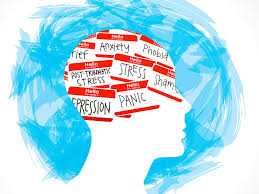
Surveys and studies indicate a sharp rise in anxiety, depression, and stress-related problems among Indian youth. Many young people report constant pressure from academics, competitive exams, unemployment or underemployment, and family expectations
Indian youth in 2025 are more connected than any previous generation, yet many feel more lonely, anxious, and stressed than ever. Smartphones, cheap data, and 24/7 social media have changed how young people study, make friends, and see themselves. Behind the selfies and status updates, however, a silent mental health crisis is growing among students and young professionals in India.
Rising Mental Health Problems Among Youth
Surveys and studies indicate a sharp rise in anxiety, depression, and stress-related problems among Indian youth. Many young people report constant pressure from academics, competitive exams, unemployment or underemployment, and family expectations. College and school students often struggle with fear of failure, comparison with peers, and uncertainty about the future, which can lead to sleep problems, irritability, and loss of motivation.
Mental health experts point out that a large treatment gap exists: a big majority of young people who need help do not receive any professional support. This is due to lack of awareness, limited access to mental health services, and strong stigma that labels those seeking help as “weak” or “unstable”.
How Social Media Fuels the Crisis
Social media platforms like Instagram, Facebook, Snapchat, and short-video apps play a double role in youth life. On one hand, they offer connection, entertainment, and information. On the other, they create intense pressure to look perfect, be successful, and stay constantly active online.
Key Ways Social Media Affects Youth Mental Health
Constant comparison: Young people compare their real lives with others’ edited highlights, leading to feelings of inferiority, low self-esteem, and body image issues.
Fear of missing out (FOMO): Seeing friends or influencers always “having fun” can make students feel left out and unhappy with their own routine.
Addiction and time loss: Many spend several hours a day scrolling, gaming, or chatting, affecting study time, sleep, and physical activity.
Cyberbullying and trolling: Online harassment, abusive comments, and group exclusion can deeply hurt self-confidence and push some towards self-harm or extreme stress.
For many Gen Z users, likes, comments, and followers have become measures of self-worth, making their mood depend heavily on online reactions.
Indian Context
In India, cultural attitudes often discourage open discussion of mental health. Young people fear being judged, misunderstood, or told to “be strong” rather than heard and supported. Families sometimes focus more on marks, career, and marriage than emotional well-being, even if unintentionally.
Other Indian-Specific Issues Include
Limited counselling services in schools and colleges, especially in smaller towns and rural areas.
High competition for few good jobs, which increases stress for graduates and postgraduates.
Economic inequalities and gender norms, which make it harder for girls and marginalized youth to seek help or set boundaries online.
Together, these factors create a situation where young people silently suffer while appearing “normal” and active on social media.
Breaking the Stigma and Building Guardrails
Experts and NGOs argue that breaking the stigma around mental health must start with honest conversations in families, schools, and colleges. Awareness campaigns show that stress, anxiety, and depression are health conditions, not personal failures, and that seeking help is a sign of courage.
Some positive steps include
Colleges introducing counselling cells, peer support groups, and mental health workshops.
NGOs and foundations running helplines and online counselling for youth.
Campaigns teaching “digital hygiene” – limiting screen time, curating feeds, and unfollowing harmful content.
Teachers and parents are being encouraged to notice warning signs like social withdrawal, sudden anger, drop in academic performance, or changes in sleep and appetite, and to respond with empathy instead of judgement.
Practical Steps for Youth
For young readers, small daily changes can protect mental health while still enjoying technology:
Set time limits: Decide fixed periods for social media and stick to them to avoid endless scrolling.
Curate your feed: Follow accounts that inspire or educate you and mute/unfollow those that trigger comparison or negativity.
Protect your sleep: Avoid screens at least 30–60 minutes before bed and keep the phone away while sleeping.
Talk to someone you trust: Share feelings with a friend, sibling, teacher, or counsellor instead of bottling everything up.
Move your body: Regular exercise, even a walk, helps reduce stress and improve mood.
Seek professional help when needed: If sadness, anxiety, or stress feels overwhelming for weeks, contacting a counsellor, psychologist, or helpline is important.
What This Means for India’s Future
India is a young country, with youth forming a large part of the population and workforce. Their mental health will directly affect the nation’s productivity, creativity, and social harmony. If mental health challenges are ignored, the costs will appear in rising dropouts, unemployment, family conflict, and even self-harm cases.
However, if families, schools, governments, and tech companies work together to create safer online spaces, better access to counselling, and more open dialogue, this silent crisis can be addressed. Social media and digital tools can then become allies in spreading awareness, building communities of support, and normalizing mental health care rather than harming it.
Email:-----------------------rajasajid1819rs@gmail.com
Surveys and studies indicate a sharp rise in anxiety, depression, and stress-related problems among Indian youth. Many young people report constant pressure from academics, competitive exams, unemployment or underemployment, and family expectations
Indian youth in 2025 are more connected than any previous generation, yet many feel more lonely, anxious, and stressed than ever. Smartphones, cheap data, and 24/7 social media have changed how young people study, make friends, and see themselves. Behind the selfies and status updates, however, a silent mental health crisis is growing among students and young professionals in India.
Rising Mental Health Problems Among Youth
Surveys and studies indicate a sharp rise in anxiety, depression, and stress-related problems among Indian youth. Many young people report constant pressure from academics, competitive exams, unemployment or underemployment, and family expectations. College and school students often struggle with fear of failure, comparison with peers, and uncertainty about the future, which can lead to sleep problems, irritability, and loss of motivation.
Mental health experts point out that a large treatment gap exists: a big majority of young people who need help do not receive any professional support. This is due to lack of awareness, limited access to mental health services, and strong stigma that labels those seeking help as “weak” or “unstable”.
How Social Media Fuels the Crisis
Social media platforms like Instagram, Facebook, Snapchat, and short-video apps play a double role in youth life. On one hand, they offer connection, entertainment, and information. On the other, they create intense pressure to look perfect, be successful, and stay constantly active online.
Key Ways Social Media Affects Youth Mental Health
Constant comparison: Young people compare their real lives with others’ edited highlights, leading to feelings of inferiority, low self-esteem, and body image issues.
Fear of missing out (FOMO): Seeing friends or influencers always “having fun” can make students feel left out and unhappy with their own routine.
Addiction and time loss: Many spend several hours a day scrolling, gaming, or chatting, affecting study time, sleep, and physical activity.
Cyberbullying and trolling: Online harassment, abusive comments, and group exclusion can deeply hurt self-confidence and push some towards self-harm or extreme stress.
For many Gen Z users, likes, comments, and followers have become measures of self-worth, making their mood depend heavily on online reactions.
Indian Context
In India, cultural attitudes often discourage open discussion of mental health. Young people fear being judged, misunderstood, or told to “be strong” rather than heard and supported. Families sometimes focus more on marks, career, and marriage than emotional well-being, even if unintentionally.
Other Indian-Specific Issues Include
Limited counselling services in schools and colleges, especially in smaller towns and rural areas.
High competition for few good jobs, which increases stress for graduates and postgraduates.
Economic inequalities and gender norms, which make it harder for girls and marginalized youth to seek help or set boundaries online.
Together, these factors create a situation where young people silently suffer while appearing “normal” and active on social media.
Breaking the Stigma and Building Guardrails
Experts and NGOs argue that breaking the stigma around mental health must start with honest conversations in families, schools, and colleges. Awareness campaigns show that stress, anxiety, and depression are health conditions, not personal failures, and that seeking help is a sign of courage.
Some positive steps include
Colleges introducing counselling cells, peer support groups, and mental health workshops.
NGOs and foundations running helplines and online counselling for youth.
Campaigns teaching “digital hygiene” – limiting screen time, curating feeds, and unfollowing harmful content.
Teachers and parents are being encouraged to notice warning signs like social withdrawal, sudden anger, drop in academic performance, or changes in sleep and appetite, and to respond with empathy instead of judgement.
Practical Steps for Youth
For young readers, small daily changes can protect mental health while still enjoying technology:
Set time limits: Decide fixed periods for social media and stick to them to avoid endless scrolling.
Curate your feed: Follow accounts that inspire or educate you and mute/unfollow those that trigger comparison or negativity.
Protect your sleep: Avoid screens at least 30–60 minutes before bed and keep the phone away while sleeping.
Talk to someone you trust: Share feelings with a friend, sibling, teacher, or counsellor instead of bottling everything up.
Move your body: Regular exercise, even a walk, helps reduce stress and improve mood.
Seek professional help when needed: If sadness, anxiety, or stress feels overwhelming for weeks, contacting a counsellor, psychologist, or helpline is important.
What This Means for India’s Future
India is a young country, with youth forming a large part of the population and workforce. Their mental health will directly affect the nation’s productivity, creativity, and social harmony. If mental health challenges are ignored, the costs will appear in rising dropouts, unemployment, family conflict, and even self-harm cases.
However, if families, schools, governments, and tech companies work together to create safer online spaces, better access to counselling, and more open dialogue, this silent crisis can be addressed. Social media and digital tools can then become allies in spreading awareness, building communities of support, and normalizing mental health care rather than harming it.
Email:-----------------------rajasajid1819rs@gmail.com

© Copyright 2023 brighterkashmir.com All Rights Reserved. Quantum Technologies