
BREAKING NEWS
It’s hallmark of new India that transforms challenges into new heights of progress: Gadkari
Srinagar, June 9: The strategically important Zojila Tunnel project, which will provide all weather connectivity with Ladakh, achieved a historic milestone on Tuesday as the excavation work of the main tunnel was completed, connecting the two ends from Baltal in Kashmir and Minimarg in Ladakh for the first time.
Union Minister for Road Transport and Highways Nitin Gadkari pressed a remote button to trigger the breakthrough blast near the eastern portal at Minimarg, linking the tunnel ends in a landmark moment for India's infrastructure sector.
Jammu and Kashmir Lieutenant Governor Manoj Sinha and Chief Minister Omar Abdullah were also present during the ceremony.
Being constructed between Baltal and Minamarg on National Highway-1, the nearly 14-km-long bi-directional Zojila Tunnel is one of India's most ambitious mountain infrastructure projects, being developed at a cost of approximately ₹6,800 crore.
Built at altitudes ranging from 2,900 metres to 3,310 metres, the project represents a significant engineering accomplishment in one of the world's most challenging terrains.
The tunnel is likely to be thrown open to the public in February 2028, the officials said, adding that after the breakthrough, the civil works will take another seven to eight months before the electrical works will begin.
The tunnel, 9.5 metre wide, 7.57 metre high and 13.153 km long, is a horseshoe-shaped single-tube, a two-lane road tunnel built at the height of around 11,578 feet above sea level.
Despite heavy snowfall, harsh weather conditions and complex geological challenges, the project has progressed steadily through the efforts of engineers, workers, consultants, contractors, the National Highways & Infrastructure Development Corporation Limited (NHIDCL) and other stakeholders.
The tunnel is expected to drastically reduce travel time between Sonamarg and Drass from nearly three hours to around 15 minutes. It will also ensure year-round connectivity to Ladakh, which remains cut off during winters because of heavy snowfall and avalanches along the Zojila axis.
The Zojila Tunnel holds immense strategic importance for India as it will provide all-weather connectivity between Kashmir and Ladakh, a region located close to both the Line of Control (LoC) with Pakistan and the Line of Actual Control (LAC) with China. Once operational, the tunnel will ensure faster movement of troops, weapons, fuel and essential supplies to forward areas in Ladakh, significantly strengthening India's defence preparedness in the sensitive border region.
The tunnel is expected to boost tourism, facilitate trade, improve access to remote areas and strengthen connectivity to border regions. From a national security perspective, year-round connectivity will enable faster and more efficient movement of the Indian Army, equipment, supplies and logistics, thereby strengthening strategic preparedness.
The project will also generate employment opportunities, promote economic growth and improve the quality of life of local communities through enhanced connectivity and regional integration.
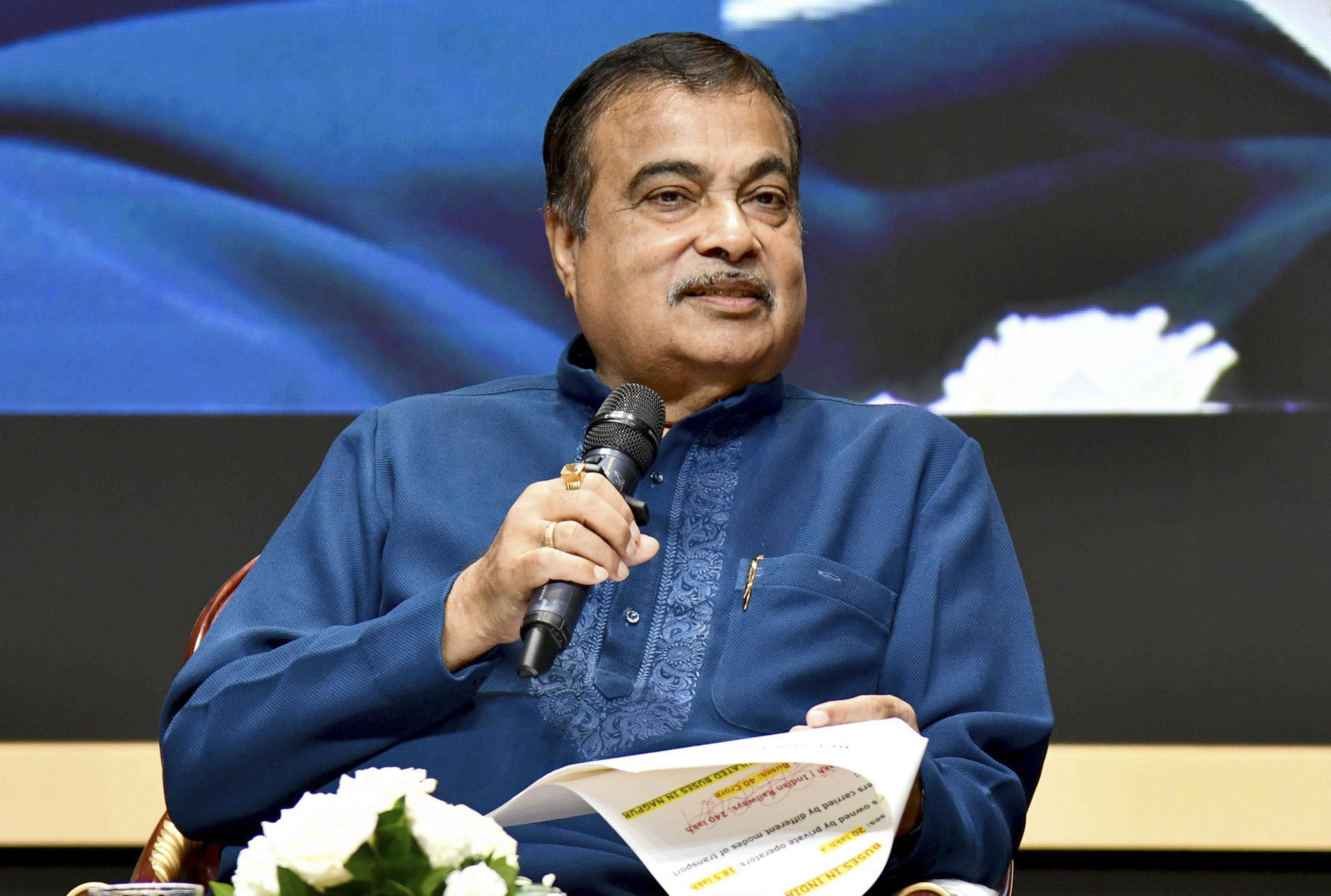
Speaking on the historic breakthrough of the tunnel, Gadkari said this breakthrough in the main tunnel is not just a sign of progress in construction, but also a testament to India's technical prowess, engineering capabilities, and indomitable resolve.
“The Zojila Tunnel project is emerging as a significant chapter in the journey of all-weather connectivity between Jammu and Kashmir and Ladakh and in the development of infrastructure,” he said.
Gadkari said despite heavy snowfall, harsh weather, and complex geological conditions, Indian engineers and workers have turned this challenging task into reality.
“Congratulations and felicitations to all the engineers, workers, consultants, contractors, the entire NHIDCL team, and stakeholders involved in this project,” he said adding “The Zojila Tunnel is not just a tunnel, but a gateway to development”.
“This project will also prove to be a game changer from a national security perspective. Year-round connectivity will make the movement of the Indian Army and the supply of military material, equipment, and logistics faster, safer, and more effective, thereby strengthening the country's strategic preparedness. This project will also provide employment, economic opportunities, and a better quality of life for the local people. Furthermore, by establishing all-weather connectivity, this project will provide a new impetus to regional development and national integration,” Gadkari said.
“This tunnel, taking shape amidst the snow-capped Himalayas under the visionary leadership of PM Modi, connects not just mountains but possibilities. It is the hallmark of a new India that transforms challenges into new heights of progress. We are committed to the overall development of Jammu and Kashmir and Ladakh through the construction of modern infrastructure,” added the union minister.
It’s hallmark of new India that transforms challenges into new heights of progress: Gadkari
Srinagar, June 9: The strategically important Zojila Tunnel project, which will provide all weather connectivity with Ladakh, achieved a historic milestone on Tuesday as the excavation work of the main tunnel was completed, connecting the two ends from Baltal in Kashmir and Minimarg in Ladakh for the first time.
Union Minister for Road Transport and Highways Nitin Gadkari pressed a remote button to trigger the breakthrough blast near the eastern portal at Minimarg, linking the tunnel ends in a landmark moment for India's infrastructure sector.
Jammu and Kashmir Lieutenant Governor Manoj Sinha and Chief Minister Omar Abdullah were also present during the ceremony.
Being constructed between Baltal and Minamarg on National Highway-1, the nearly 14-km-long bi-directional Zojila Tunnel is one of India's most ambitious mountain infrastructure projects, being developed at a cost of approximately ₹6,800 crore.
Built at altitudes ranging from 2,900 metres to 3,310 metres, the project represents a significant engineering accomplishment in one of the world's most challenging terrains.
The tunnel is likely to be thrown open to the public in February 2028, the officials said, adding that after the breakthrough, the civil works will take another seven to eight months before the electrical works will begin.
The tunnel, 9.5 metre wide, 7.57 metre high and 13.153 km long, is a horseshoe-shaped single-tube, a two-lane road tunnel built at the height of around 11,578 feet above sea level.
Despite heavy snowfall, harsh weather conditions and complex geological challenges, the project has progressed steadily through the efforts of engineers, workers, consultants, contractors, the National Highways & Infrastructure Development Corporation Limited (NHIDCL) and other stakeholders.
The tunnel is expected to drastically reduce travel time between Sonamarg and Drass from nearly three hours to around 15 minutes. It will also ensure year-round connectivity to Ladakh, which remains cut off during winters because of heavy snowfall and avalanches along the Zojila axis.
The Zojila Tunnel holds immense strategic importance for India as it will provide all-weather connectivity between Kashmir and Ladakh, a region located close to both the Line of Control (LoC) with Pakistan and the Line of Actual Control (LAC) with China. Once operational, the tunnel will ensure faster movement of troops, weapons, fuel and essential supplies to forward areas in Ladakh, significantly strengthening India's defence preparedness in the sensitive border region.
The tunnel is expected to boost tourism, facilitate trade, improve access to remote areas and strengthen connectivity to border regions. From a national security perspective, year-round connectivity will enable faster and more efficient movement of the Indian Army, equipment, supplies and logistics, thereby strengthening strategic preparedness.
The project will also generate employment opportunities, promote economic growth and improve the quality of life of local communities through enhanced connectivity and regional integration.
Speaking on the historic breakthrough of the tunnel, Gadkari said this breakthrough in the main tunnel is not just a sign of progress in construction, but also a testament to India's technical prowess, engineering capabilities, and indomitable resolve.
“The Zojila Tunnel project is emerging as a significant chapter in the journey of all-weather connectivity between Jammu and Kashmir and Ladakh and in the development of infrastructure,” he said.
Gadkari said despite heavy snowfall, harsh weather, and complex geological conditions, Indian engineers and workers have turned this challenging task into reality.
“Congratulations and felicitations to all the engineers, workers, consultants, contractors, the entire NHIDCL team, and stakeholders involved in this project,” he said adding “The Zojila Tunnel is not just a tunnel, but a gateway to development”.
“This project will also prove to be a game changer from a national security perspective. Year-round connectivity will make the movement of the Indian Army and the supply of military material, equipment, and logistics faster, safer, and more effective, thereby strengthening the country's strategic preparedness. This project will also provide employment, economic opportunities, and a better quality of life for the local people. Furthermore, by establishing all-weather connectivity, this project will provide a new impetus to regional development and national integration,” Gadkari said.
“This tunnel, taking shape amidst the snow-capped Himalayas under the visionary leadership of PM Modi, connects not just mountains but possibilities. It is the hallmark of a new India that transforms challenges into new heights of progress. We are committed to the overall development of Jammu and Kashmir and Ladakh through the construction of modern infrastructure,” added the union minister.

© Copyright 2023 brighterkashmir.com All Rights Reserved. Quantum Technologies