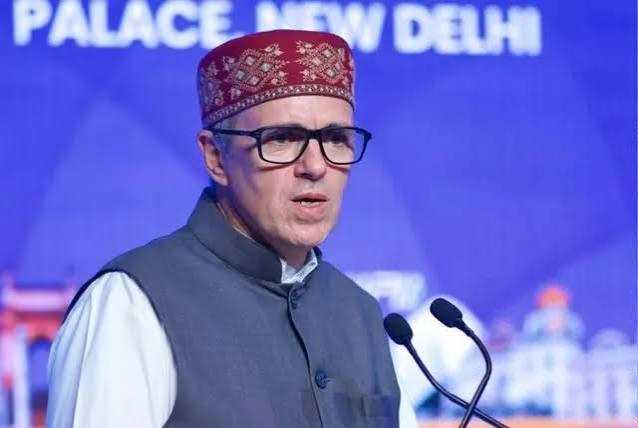
The second day of the first International Film Festival of Jammu & Kashmir brought the Valley alive with stories, images and voices from different corners of the cinematic world. With around 70 films, including feature films, documentaries and shorts, screened across venues, the festival moved beyond being a ceremonial gathering and began to feel like a genuine celebration of cinema. From intimate human stories to powerful documentaries and international productions, the day's screenings demonstrated the extraordinary ability of cinema to cross borders without needing a common language. Films such as Laila Majnu, Mirzapur, Dear Father, Bramhakamal and a range of international and Indian short films offered audiences remarkably different cinematic experiences. But the real significance of Day Two was not merely the number of films on the screen. It was the atmosphere created around them. Kashmir, for decades known primarily as a picturesque backdrop for films, was beginning to emerge as a place where cinema itself could be experienced, discussed, questioned and celebrated. A film festival is not successful simply because celebrities walk its red carpet. Its real success lies in whether a young filmmaker feels encouraged to pick up a camera, whether an aspiring actor finds a mentor, and whether audiences discover stories they might otherwise never encounter. Day Two offered precisely that wider engagement. Masterclasses by filmmakers such as Sriram Raghavan and cinematographer Anil Mehta, alongside discussions on visual storytelling, animation, AI, acting and the future of filmmaking in J&K, gave the festival an educational dimension. The screening of films also created an important cultural conversation. The inclusion of international cinema alongside Indian and J&K productions allowed local audiences to see how different societies tell their stories—and, equally importantly, to ask how Kashmir should tell its own. This is where IFFJK can leave its strongest legacy. Jammu and Kashmir does not lack stories. It has a rich reservoir of history, folklore, human experiences, landscapes and cultural traditions. What it needs is the confidence, training and institutional support to transform those stories into compelling cinema. The festival should therefore be seen not as a four-day event but as the opening scene of a much longer journey. If the screens go dark on September 10 but the creative energy generated here continues in classrooms, studios and local film sets, IFFJK will have achieved something truly meaningful. Kashmir has long been a canvas for cinema. Now, it deserves to become a storyteller too.


© Copyright 2023 brighterkashmir.com All Rights Reserved. Quantum Technologies