
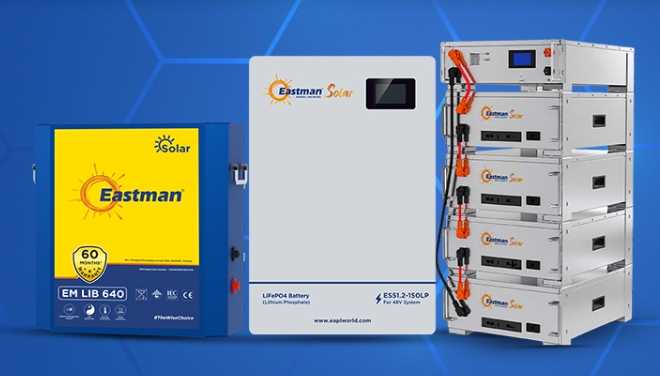
Solar energy systems depend on more than just panels to provide consistent power. While solar panels generate electricity during the day, batteries help store surplus energy for later use, especially when solar generation is unavailable. Among the available options, lithium and lead-acid batteries are commonly considered for solar applications.
Lithium solar batteries have gained attention due to their efficiency and ability to support regular charging and discharging cycles. However, lead-acid batteries continue to be used because of their established technology and lower initial cost. Let's understand the differences between these two battery types and the factors that can help users make a suitable choice.
Comparing Lithium Solar Batteries With Lead-acid Batteries
Lithium and lead-acid batteries work on different technologies, which affects how they store and deliver electricity. Understanding these differences can help users evaluate which option matches their solar energy requirements.
|
Factor |
Lithium Solar Batteries |
Lead-acid Batteries |
|
Charging Capability |
Supports faster charging compared with traditional batteries |
Usually requires longer charging durations |
|
Depth of Discharge (DoD) |
Can support deeper discharge levels without significantly affecting battery performance |
Requires maintaining a higher charge level to avoid reducing battery lifespan |
|
Long-term Cost |
Higher initial cost but can provide better value due to longer lifespan |
Lower upfront cost but may have higher replacement costs over time |
Why are Lithium Solar Batteries Becoming a Preferred Choice For Solar Storage?
Solar energy storage requires batteries to perform consistently across repeated charging and discharging cycles. This is one reason why lithium solar batteries are becoming a popular choice for residential and commercial solar applications.
Some other advantages include:
Lithium batteries generally have higher efficiency, allowing more stored solar energy to be available for consumption. This can be useful for users who want to maximise the value of their solar generation.
Battery life depends on usage patterns, charging conditions, and maintenance. Lithium batteries typically support a higher number of charging and discharging cycles, making them suitable for systems where batteries are used frequently.
Many lithium battery systems include a Battery Management System (BMS) that monitors important parameters such as temperature, voltage, and charging conditions. This helps maintain controlled operation and supports safer battery usage.
Lithium batteries usually offer higher energy density, allowing more storage capacity in a smaller size. This can be beneficial where installation space is limited.
Lithium batteries can respond efficiently to changing power requirements, making them suitable for users who need consistent backup support. Their ability to handle regular energy cycles helps maintain a stable supply when solar generation is unavailable.
While lithium technology offers several advantages, lead-acid batteries can still be suitable for users looking for a more economical option or those with less frequent energy storage needs. The right choice depends on usage requirements, system design, and long-term expectations.
What Should You Check Before Choosing A Solar Battery?
Selecting a battery for a solar system requires consideration of more than just storage capacity. The battery should work effectively with the complete solar setup and match the user’s electricity requirements.
Important factors to assess before making a decision are:
For users planning a solar energy storage system, understanding these factors can make the selection process more practical. A battery that matches the system design can support efficient energy management and reliable performance over time.
Choose The Right Battery For Your Solar Energy Needs
Choosing a battery for a solar system comes down to finding the right balance between performance, reliability, and daily energy needs. With a better understanding of how lithium solar batteries compare with lead-acid options, users can look beyond the upfront cost. They can consider how their storage system can support their energy needs over time.
Solar solution providers like Eastman Auto & Power Limited offer solar battery solutions designed for different energy storage requirements. Understanding battery technology before installation can help users make informed decisions and select a suitable solution for their solar system.



Solar energy systems depend on more than just panels to provide consistent power. While solar panels generate electricity during the day, batteries help store surplus energy for later use, especially when solar generation is unavailable. Among the available options, lithium and lead-acid batteries are commonly considered for solar applications.
Lithium solar batteries have gained attention due to their efficiency and ability to support regular charging and discharging cycles. However, lead-acid batteries continue to be used because of their established technology and lower initial cost. Let's understand the differences between these two battery types and the factors that can help users make a suitable choice.
Comparing Lithium Solar Batteries With Lead-acid Batteries
Lithium and lead-acid batteries work on different technologies, which affects how they store and deliver electricity. Understanding these differences can help users evaluate which option matches their solar energy requirements.
|
Factor |
Lithium Solar Batteries |
Lead-acid Batteries |
|
Charging Capability |
Supports faster charging compared with traditional batteries |
Usually requires longer charging durations |
|
Depth of Discharge (DoD) |
Can support deeper discharge levels without significantly affecting battery performance |
Requires maintaining a higher charge level to avoid reducing battery lifespan |
|
Long-term Cost |
Higher initial cost but can provide better value due to longer lifespan |
Lower upfront cost but may have higher replacement costs over time |
Why are Lithium Solar Batteries Becoming a Preferred Choice For Solar Storage?
Solar energy storage requires batteries to perform consistently across repeated charging and discharging cycles. This is one reason why lithium solar batteries are becoming a popular choice for residential and commercial solar applications.
Some other advantages include:
Lithium batteries generally have higher efficiency, allowing more stored solar energy to be available for consumption. This can be useful for users who want to maximise the value of their solar generation.
Battery life depends on usage patterns, charging conditions, and maintenance. Lithium batteries typically support a higher number of charging and discharging cycles, making them suitable for systems where batteries are used frequently.
Many lithium battery systems include a Battery Management System (BMS) that monitors important parameters such as temperature, voltage, and charging conditions. This helps maintain controlled operation and supports safer battery usage.
Lithium batteries usually offer higher energy density, allowing more storage capacity in a smaller size. This can be beneficial where installation space is limited.
Lithium batteries can respond efficiently to changing power requirements, making them suitable for users who need consistent backup support. Their ability to handle regular energy cycles helps maintain a stable supply when solar generation is unavailable.
While lithium technology offers several advantages, lead-acid batteries can still be suitable for users looking for a more economical option or those with less frequent energy storage needs. The right choice depends on usage requirements, system design, and long-term expectations.
What Should You Check Before Choosing A Solar Battery?
Selecting a battery for a solar system requires consideration of more than just storage capacity. The battery should work effectively with the complete solar setup and match the user’s electricity requirements.
Important factors to assess before making a decision are:
For users planning a solar energy storage system, understanding these factors can make the selection process more practical. A battery that matches the system design can support efficient energy management and reliable performance over time.
Choose The Right Battery For Your Solar Energy Needs
Choosing a battery for a solar system comes down to finding the right balance between performance, reliability, and daily energy needs. With a better understanding of how lithium solar batteries compare with lead-acid options, users can look beyond the upfront cost. They can consider how their storage system can support their energy needs over time.
Solar solution providers like Eastman Auto & Power Limited offer solar battery solutions designed for different energy storage requirements. Understanding battery technology before installation can help users make informed decisions and select a suitable solution for their solar system.

© Copyright 2023 brighterkashmir.com All Rights Reserved. Quantum Technologies