India Emerging As Global Research Hub For Diabetes, Genetic Disorders And Advanced Healthcare: Jitendra Singh
Over A Dozen Diabetes Research Projects Underway, Minister Calls For Greater Focus On Prevention And Precision Medicine
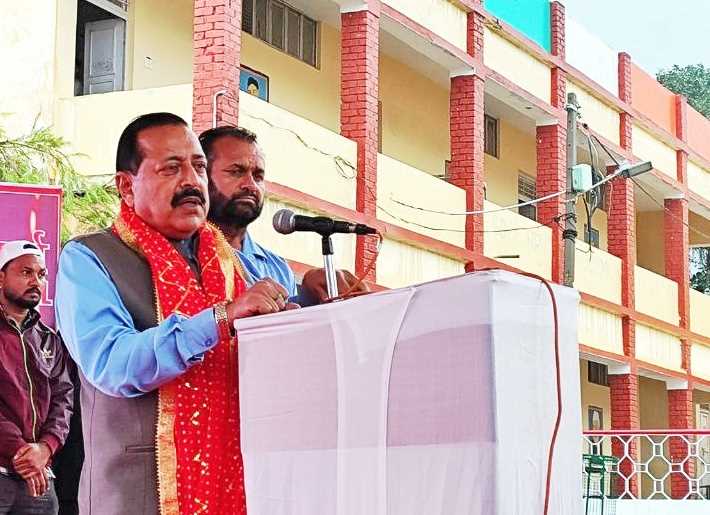
New Delhi, Nov 20: India is steadily emerging as a global centre for research into diabetes, genetic disorders and advanced healthcare technologies, with more than a dozen diabetes-related research projects currently underway, Union Minister of State for Science and Technology Dr. Jitendra Singh said on Friday.
Addressing the inaugural session of the Research Society for the Study of Diabetes in India (RSSDI) 2026 conference in Bengaluru, the Minister said the country's scientific capabilities and healthcare research infrastructure had expanded considerably, enabling it to develop indigenous solutions for complex medical challenges.
He said the Department of Biotechnology (DBT) and the Council of Scientific and Industrial Research (CSIR) were supporting several research initiatives aimed at improving diabetes prevention, diagnosis and treatment through molecular and genetic approaches.
Highlighting the importance of India's population size and genetic diversity, Singh said the country possessed a unique scientific advantage that could help researchers understand disease patterns and develop healthcare solutions relevant to both domestic and international populations.
He stressed that preventing obesity and diabetes among young people must become a national priority, adding that the challenge required coordinated efforts involving researchers, medical professionals, policymakers and society.
The Minister pointed to India's progress in developing indigenous vaccines, antibiotics, therapies and advanced medical technologies. Referring to the country's DNA-based COVID-19 vaccine, genetic therapy research, biosimilars and the India Genome Study, he said India had moved beyond dependence on external medical solutions and was increasingly contributing to global scientific advancements.
He also highlighted ongoing research into Type 2 diabetes and metabolic disorders, particularly studies exploring the relationship between gut bacteria, genetic factors and insulin regulation.
Among the major initiatives is an Indo-Danish collaborative study examining changes in gut microbiota among prediabetic and diabetic patients. Another research project is investigating genetically engineered bacteria capable of producing GLP-1, which could potentially open new avenues for delivering therapeutic molecules through the gastrointestinal system.
Singh also referred to studies examining the impact of nutrition and metabolic health from pregnancy through early childhood. Researchers are exploring ways to identify and reduce cardiometabolic risks among children, including elevated blood glucose, blood pressure and obesity.
Other research initiatives are focused on identifying early biomarkers of Type 2 diabetes, understanding the relationship between diabetes and fatty liver disease, and exploring new therapeutic targets for obesity and insulin resistance.
The Minister further highlighted research into temperature-resistant insulin and emerging approaches to oral insulin delivery, describing these developments as important steps towards improving treatment accessibility and affordability.
He called for stronger partnerships between government research institutions, private-sector laboratories, healthcare professionals, startups and medical associations. According to him, closer collaboration would help translate scientific discoveries into practical healthcare solutions.
Emphasising the role of precision medicine, Singh said India's genomic research capabilities and population diversity offered significant opportunities for developing treatments tailored to individual genetic profiles. He referred to the India Genome Study, which covers 10,000 individuals across 84 population groups, as an important resource for advancing medical research.
The Minister also urged medical professionals and scientists to counter misinformation surrounding diabetes, obesity, nutrition and weight-loss treatments. He cautioned against unscientific dietary advice and the use of medicines without proper medical supervision, stressing that healthcare decisions must be guided by credible scientific evidence.
With nearly 70 per cent of India's population below the age of 40, Singh said protecting the health of younger generations was essential for achieving the country's development goals under the Viksit Bharat 2047 vision.
He encouraged RSSDI and the wider scientific community to strengthen research partnerships and contribute towards developing affordable, preventive and next-generation healthcare solutions.

India Emerging As Global Research Hub For Diabetes, Genetic Disorders And Advanced Healthcare: Jitendra Singh
Over A Dozen Diabetes Research Projects Underway, Minister Calls For Greater Focus On Prevention And Precision Medicine
New Delhi, Nov 20: India is steadily emerging as a global centre for research into diabetes, genetic disorders and advanced healthcare technologies, with more than a dozen diabetes-related research projects currently underway, Union Minister of State for Science and Technology Dr. Jitendra Singh said on Friday.
Addressing the inaugural session of the Research Society for the Study of Diabetes in India (RSSDI) 2026 conference in Bengaluru, the Minister said the country's scientific capabilities and healthcare research infrastructure had expanded considerably, enabling it to develop indigenous solutions for complex medical challenges.
He said the Department of Biotechnology (DBT) and the Council of Scientific and Industrial Research (CSIR) were supporting several research initiatives aimed at improving diabetes prevention, diagnosis and treatment through molecular and genetic approaches.
Highlighting the importance of India's population size and genetic diversity, Singh said the country possessed a unique scientific advantage that could help researchers understand disease patterns and develop healthcare solutions relevant to both domestic and international populations.
He stressed that preventing obesity and diabetes among young people must become a national priority, adding that the challenge required coordinated efforts involving researchers, medical professionals, policymakers and society.
The Minister pointed to India's progress in developing indigenous vaccines, antibiotics, therapies and advanced medical technologies. Referring to the country's DNA-based COVID-19 vaccine, genetic therapy research, biosimilars and the India Genome Study, he said India had moved beyond dependence on external medical solutions and was increasingly contributing to global scientific advancements.
He also highlighted ongoing research into Type 2 diabetes and metabolic disorders, particularly studies exploring the relationship between gut bacteria, genetic factors and insulin regulation.
Among the major initiatives is an Indo-Danish collaborative study examining changes in gut microbiota among prediabetic and diabetic patients. Another research project is investigating genetically engineered bacteria capable of producing GLP-1, which could potentially open new avenues for delivering therapeutic molecules through the gastrointestinal system.
Singh also referred to studies examining the impact of nutrition and metabolic health from pregnancy through early childhood. Researchers are exploring ways to identify and reduce cardiometabolic risks among children, including elevated blood glucose, blood pressure and obesity.
Other research initiatives are focused on identifying early biomarkers of Type 2 diabetes, understanding the relationship between diabetes and fatty liver disease, and exploring new therapeutic targets for obesity and insulin resistance.
The Minister further highlighted research into temperature-resistant insulin and emerging approaches to oral insulin delivery, describing these developments as important steps towards improving treatment accessibility and affordability.
He called for stronger partnerships between government research institutions, private-sector laboratories, healthcare professionals, startups and medical associations. According to him, closer collaboration would help translate scientific discoveries into practical healthcare solutions.
Emphasising the role of precision medicine, Singh said India's genomic research capabilities and population diversity offered significant opportunities for developing treatments tailored to individual genetic profiles. He referred to the India Genome Study, which covers 10,000 individuals across 84 population groups, as an important resource for advancing medical research.
The Minister also urged medical professionals and scientists to counter misinformation surrounding diabetes, obesity, nutrition and weight-loss treatments. He cautioned against unscientific dietary advice and the use of medicines without proper medical supervision, stressing that healthcare decisions must be guided by credible scientific evidence.
With nearly 70 per cent of India's population below the age of 40, Singh said protecting the health of younger generations was essential for achieving the country's development goals under the Viksit Bharat 2047 vision.
He encouraged RSSDI and the wider scientific community to strengthen research partnerships and contribute towards developing affordable, preventive and next-generation healthcare solutions.
© Copyright 2023 brighterkashmir.com All Rights Reserved. Quantum Technologies