10-31-2026     3 رجب 1440

Raj Begum: Kashmir’s eternal voice

October 31, 2026 | BK NEWS SERVICE

Srinagar, Oct 30: Whenever the history of Kashmiri folk music and Sufi poetry is recalled, one voice continues to resonate across generations—the unmistakable voice of Raj Begum, fondly remembered as the Nightingale of Kashmir. Through her soulful singing, she gave a distinct identity to Kashmiri music and carried the emotions, poetry and cultural traditions of the Valley to countless listeners.

Born on March 27, 1927, in Magarmal Bagh, Srinagar, Raj Begum, whose original name is said to have been Rihti, grew up in a traditional household. Her journey from an ordinary family to becoming one of Kashmir’s most celebrated singers was marked by talent, determination and the courage to challenge social conventions.
At a time when women singing publicly was frowned upon in conservative Kashmiri society, pursuing a career in music was far from easy. Raj Begum, however, found encouragement from her father, Ghulam Rasool Sheikh, who recognised her natural talent and supported her passion. She initially sang at local wedding ceremonies, where her melodious voice gradually attracted attention.
Her life took a decisive turn when renowned musician and sarangi player Ghulam Qadir Langoo recognised her talent and helped introduce her to Radio Kashmir. In 1954, she formally began her musical career with the radio station, opening a remarkable chapter in the history of Kashmiri music.
Her entry into the public musical sphere was more than an individual achievement. At a time when social barriers restricted women's participation in the performing arts, Raj Begum demonstrated that talent and determination could overcome prejudice. Her success encouraged other women to explore their artistic abilities.
Raj Begum’s singing was distinguished by its emotional depth, simplicity and cultural richness. She brought alive the poetry of celebrated Kashmiri poets, including Mahjoor and Mahmud Gami, transforming their verses into melodies that touched the hearts of ordinary listeners and connoisseurs alike.
Her voice captured the many shades of Kashmiri life—love, longing, separation, devotion and human emotions. She did not merely sing songs; she gave expression to the collective memories and sentiments of a people.
Her contribution earned her national recognition. She was conferred the Padma Shri in 2002 and received the Sangeet Natak Akademi Award in 2013, honours that acknowledged her exceptional contribution to music and cultural heritage.
Although she retired from Radio Kashmir in 1986, her recordings continued to connect generations with the region's musical traditions. She passed away in Srinagar on October 26, 2016, at the age of 89, leaving behind a rich artistic legacy.
Raj Begum’s life carries a message that remains relevant today. At a time when the younger generation is increasingly exposed to changing musical trends, preserving Kashmir’s folk music, poetry and traditional art forms has become essential.
Her songs are not simply musical compositions; they are an important part of Kashmir’s linguistic and cultural heritage. They preserve the flavour of the Kashmiri language, the depth of its poetry and the emotions that have shaped its social life.
Unfortunately, society often recognises the full worth of its cultural icons only after their departure. Tributes and commemorative programmes are important, but they must be accompanied by sustained efforts to preserve and promote their work.
There is an urgent need to digitise rare recordings of Raj Begum, document her artistic journey, encourage research on her contribution and introduce Kashmiri folk music and poetry to students through educational and cultural programmes. Institutions must also create opportunities for young artists to learn from the traditions she helped sustain.
Raj Begum broke barriers when opportunities for women in music were limited. Through her perseverance, she transformed personal passion into a cultural legacy that belongs to the entire Valley.
She gave Kashmir more than memorable songs. She gave voice to its poetry, emotions and collective identity. Her contribution reminds us that culture survives not merely through monuments and written records, but also through melodies that connect generations.
Time will pass, musical tastes will change and generations will come and go, but Raj Begum’s voice will continue to echo wherever Kashmiri language, poetry and music are cherished.
Some voices fade with time; Raj Begum’s has become immortal.

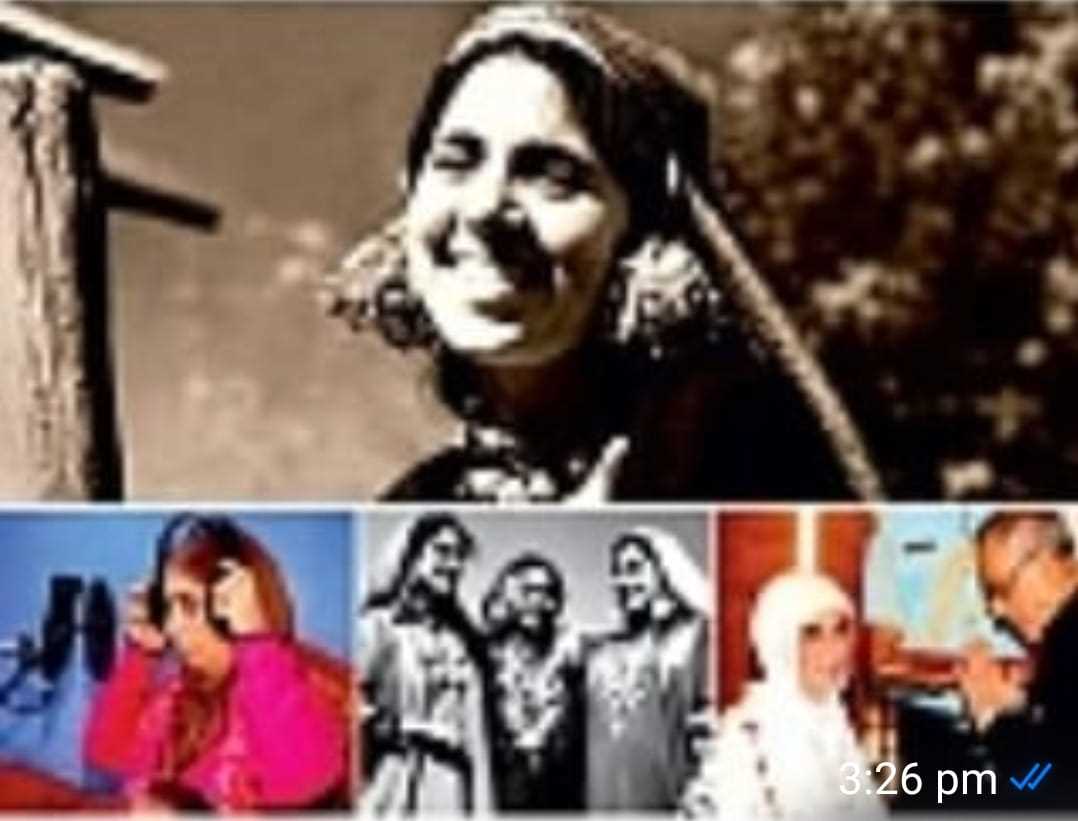
Raj Begum: Kashmir’s eternal voice

October 31, 2026 | BK NEWS SERVICE

Srinagar, Oct 30: Whenever the history of Kashmiri folk music and Sufi poetry is recalled, one voice continues to resonate across generations—the unmistakable voice of Raj Begum, fondly remembered as the Nightingale of Kashmir. Through her soulful singing, she gave a distinct identity to Kashmiri music and carried the emotions, poetry and cultural traditions of the Valley to countless listeners.

Born on March 27, 1927, in Magarmal Bagh, Srinagar, Raj Begum, whose original name is said to have been Rihti, grew up in a traditional household. Her journey from an ordinary family to becoming one of Kashmir’s most celebrated singers was marked by talent, determination and the courage to challenge social conventions.
At a time when women singing publicly was frowned upon in conservative Kashmiri society, pursuing a career in music was far from easy. Raj Begum, however, found encouragement from her father, Ghulam Rasool Sheikh, who recognised her natural talent and supported her passion. She initially sang at local wedding ceremonies, where her melodious voice gradually attracted attention.
Her life took a decisive turn when renowned musician and sarangi player Ghulam Qadir Langoo recognised her talent and helped introduce her to Radio Kashmir. In 1954, she formally began her musical career with the radio station, opening a remarkable chapter in the history of Kashmiri music.
Her entry into the public musical sphere was more than an individual achievement. At a time when social barriers restricted women's participation in the performing arts, Raj Begum demonstrated that talent and determination could overcome prejudice. Her success encouraged other women to explore their artistic abilities.
Raj Begum’s singing was distinguished by its emotional depth, simplicity and cultural richness. She brought alive the poetry of celebrated Kashmiri poets, including Mahjoor and Mahmud Gami, transforming their verses into melodies that touched the hearts of ordinary listeners and connoisseurs alike.
Her voice captured the many shades of Kashmiri life—love, longing, separation, devotion and human emotions. She did not merely sing songs; she gave expression to the collective memories and sentiments of a people.
Her contribution earned her national recognition. She was conferred the Padma Shri in 2002 and received the Sangeet Natak Akademi Award in 2013, honours that acknowledged her exceptional contribution to music and cultural heritage.
Although she retired from Radio Kashmir in 1986, her recordings continued to connect generations with the region's musical traditions. She passed away in Srinagar on October 26, 2016, at the age of 89, leaving behind a rich artistic legacy.
Raj Begum’s life carries a message that remains relevant today. At a time when the younger generation is increasingly exposed to changing musical trends, preserving Kashmir’s folk music, poetry and traditional art forms has become essential.
Her songs are not simply musical compositions; they are an important part of Kashmir’s linguistic and cultural heritage. They preserve the flavour of the Kashmiri language, the depth of its poetry and the emotions that have shaped its social life.
Unfortunately, society often recognises the full worth of its cultural icons only after their departure. Tributes and commemorative programmes are important, but they must be accompanied by sustained efforts to preserve and promote their work.
There is an urgent need to digitise rare recordings of Raj Begum, document her artistic journey, encourage research on her contribution and introduce Kashmiri folk music and poetry to students through educational and cultural programmes. Institutions must also create opportunities for young artists to learn from the traditions she helped sustain.
Raj Begum broke barriers when opportunities for women in music were limited. Through her perseverance, she transformed personal passion into a cultural legacy that belongs to the entire Valley.
She gave Kashmir more than memorable songs. She gave voice to its poetry, emotions and collective identity. Her contribution reminds us that culture survives not merely through monuments and written records, but also through melodies that connect generations.
Time will pass, musical tastes will change and generations will come and go, but Raj Begum’s voice will continue to echo wherever Kashmiri language, poetry and music are cherished.
Some voices fade with time; Raj Begum’s has become immortal.


  • Address: R.C 2 Quarters Press Enclave Near Pratap Park, Srinagar 190001.
  • Phone: 0194-2451076 , +91-941-940-0056 , +91-962-292-4716
  • Email: brighterkmr@gmail.com
Owner, Printer, Publisher, Editor: Farooq Ahmad Wani
Legal Advisor: M.J. Hubi
Printed at: Sangermal offset Printing Press Rangreth ( Budgam)
Published from: Gulshanabad Chraresharief Budgam
RNI No.: JKENG/2010/33802
Office No’s: 0194-2451076
Mobile No’s 9419400056, 9622924716 ,7006086442
Postal Regd No: SK/135/2010-2019
POST BOX NO: 1001
Administrative Office: R.C 2 Quarters Press Enclave Near Pratap Park ( Srinagar -190001)

© Copyright 2023 brighterkashmir.com All Rights Reserved. Quantum Technologies

Owner, Printer, Publisher, Editor: Farooq Ahmad Wani
Legal Advisor: M.J. Hubi
Printed at: Abid Enterprizes, Zainkote Srinagar
Published from: Gulshanabad Chraresharief Budgam
RNI No.: JKENG/2010/33802
Office No’s: 0194-2451076, 9622924716 , 9419400056
Postal Regd No: SK/135/2010-2019
Administrative Office: Abi Guzer Srinagar

© Copyright 2018 brighterkashmir.com All Rights Reserved.