
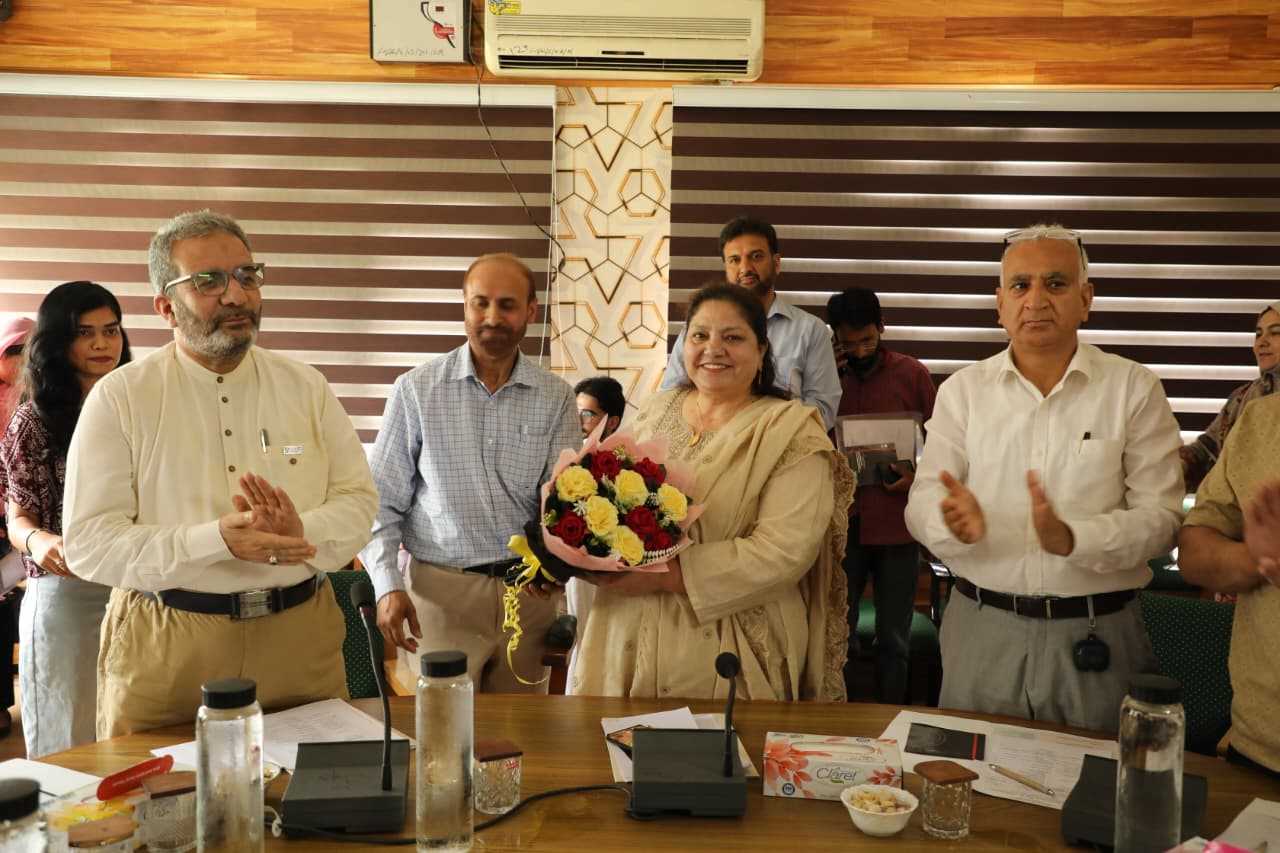
Srinagar, July 6: Reinforcing its commitment to the globally recognized One Health approach that integrates human, animal and environmental health, Sher-e-Kashmir University of Agricultural Sciences and Technology of Kashmir (SKUAST-K) on Monday organized a symposium on the theme "One Health, One Future: Together Against Zoonoses" at the Faculty of Veterinary Sciences & Animal Husbandry, Shuhama, to mark World Zoonoses Day 2026.
The symposium, organised by the Divisions of Veterinary Microbiology & Immunology and Veterinary Public Health & Epidemiology under the Sentinel Surveillance Site on Zoonoses (SSSZ) Programme funded by the National Centre for Disease Control (NCDC), Ministry of Health & Family Welfare, Government of India, brought together experts from the National Institute of One Health, SKIMS, Directorate of Health Services Kashmir, Sheep Husbandry Department, Animal Husbandry Department and SKUAST-K to deliberate on strengthening integrated zoonoses surveillance, preparedness and intersectoral collaboration in Jammu & Kashmir through the One Health framework.
Prof. Raihana Habib Kanth, Director, Extension, SKUAST-K, and Chief Guest, said that emerging and re-emerging zoonotic diseases require coordinated action across the veterinary, medical, agricultural, environmental, and wildlife sectors. She highlighted that contaminated soil, irrigation water and fresh produce, including salads, can act as carriers of zoonotic pathogens, making integrated surveillance and preventive interventions across the human-animal-environment interface imperative.
Director Education, Prof. M. Altaf Bhat, who was the Chief Host, emphasized that greater public awareness and institutional coordination are essential for preventing zoonotic diseases and strengthening health security. Registrar, Prof. Azmat Alam Khan, appreciated the organizers for creating a multidisciplinary platform for scientific exchange and collaborative action, while Dean, Faculty of Veterinary Sciences & Animal Husbandry, Prof. Riaz A. Shah, underscored the central role of veterinary professionals in advancing disease surveillance, prevention and response under the One Health framework.
The symposium featured technical lectures by experts followed by an interactive panel discussion focusing on strengthening integrated zoonoses surveillance, preparedness and coordinated response mechanisms in Jammu & Kashmir. Participants proposed several recommendations to enhance intersectoral collaboration, integrated disease surveillance, and evidence-based policy interventions to improve the region's preparedness for zoonotic diseases.
The observance also included a week-long series of outreach activities, including farmer awareness programs, school awareness campaigns, a quiz competition, an e-poster competition, and a student awareness rally, to promote greater understanding of zoonotic diseases and the importance of the One Health approach among diverse stakeholders.

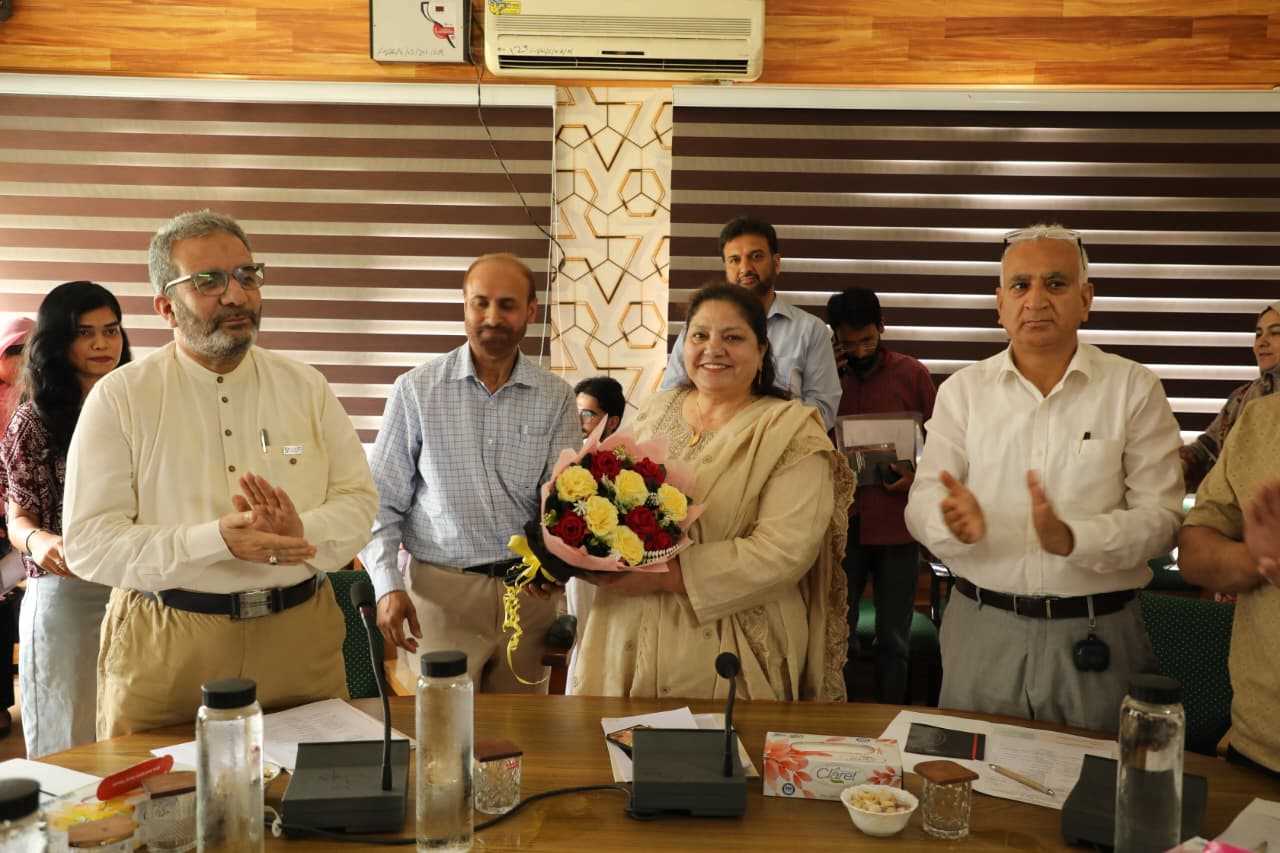

Srinagar, July 6: Reinforcing its commitment to the globally recognized One Health approach that integrates human, animal and environmental health, Sher-e-Kashmir University of Agricultural Sciences and Technology of Kashmir (SKUAST-K) on Monday organized a symposium on the theme "One Health, One Future: Together Against Zoonoses" at the Faculty of Veterinary Sciences & Animal Husbandry, Shuhama, to mark World Zoonoses Day 2026.
The symposium, organised by the Divisions of Veterinary Microbiology & Immunology and Veterinary Public Health & Epidemiology under the Sentinel Surveillance Site on Zoonoses (SSSZ) Programme funded by the National Centre for Disease Control (NCDC), Ministry of Health & Family Welfare, Government of India, brought together experts from the National Institute of One Health, SKIMS, Directorate of Health Services Kashmir, Sheep Husbandry Department, Animal Husbandry Department and SKUAST-K to deliberate on strengthening integrated zoonoses surveillance, preparedness and intersectoral collaboration in Jammu & Kashmir through the One Health framework.
Prof. Raihana Habib Kanth, Director, Extension, SKUAST-K, and Chief Guest, said that emerging and re-emerging zoonotic diseases require coordinated action across the veterinary, medical, agricultural, environmental, and wildlife sectors. She highlighted that contaminated soil, irrigation water and fresh produce, including salads, can act as carriers of zoonotic pathogens, making integrated surveillance and preventive interventions across the human-animal-environment interface imperative.
Director Education, Prof. M. Altaf Bhat, who was the Chief Host, emphasized that greater public awareness and institutional coordination are essential for preventing zoonotic diseases and strengthening health security. Registrar, Prof. Azmat Alam Khan, appreciated the organizers for creating a multidisciplinary platform for scientific exchange and collaborative action, while Dean, Faculty of Veterinary Sciences & Animal Husbandry, Prof. Riaz A. Shah, underscored the central role of veterinary professionals in advancing disease surveillance, prevention and response under the One Health framework.
The symposium featured technical lectures by experts followed by an interactive panel discussion focusing on strengthening integrated zoonoses surveillance, preparedness and coordinated response mechanisms in Jammu & Kashmir. Participants proposed several recommendations to enhance intersectoral collaboration, integrated disease surveillance, and evidence-based policy interventions to improve the region's preparedness for zoonotic diseases.
The observance also included a week-long series of outreach activities, including farmer awareness programs, school awareness campaigns, a quiz competition, an e-poster competition, and a student awareness rally, to promote greater understanding of zoonotic diseases and the importance of the One Health approach among diverse stakeholders.

© Copyright 2023 brighterkashmir.com All Rights Reserved. Quantum Technologies