02-27-2026     3 رجب 1440

VC SKUAST-K calls for intelligence-driven prediction based pest management

February 27, 2026 |

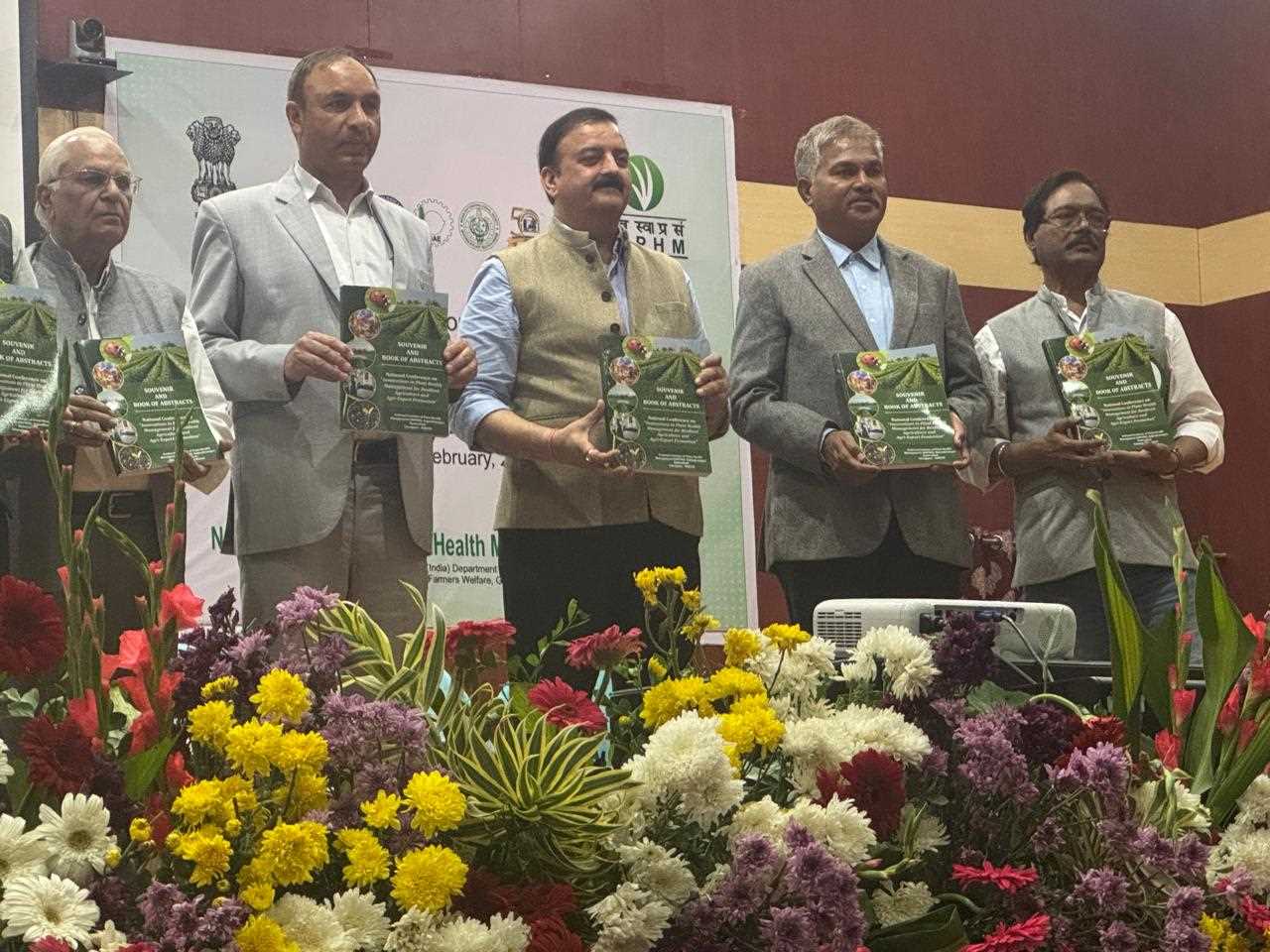
As climate change and global trade accelerate the spread of invasive pests, India must pivot from reactive ‘firefighting’ to a predictive, intelligence-based surveillance system to safeguard its agricultural economy. This was the central message delivered by Vice Chancellor, SKUAST-K, Prof Nazir Ahmad Ganai, during his keynote address on the opening day of the National Conference on ‘Innovations in Plant Health Management for Resilient Agriculture and Agri-Export Promotion’.

The three-day event, organised by the National Institute of Plant Health Management (NIPHM) from February 26–28, 2026, brought together the nation's leading scientists and policymakers to address a rapidly shifting biological risk landscape.

During his address, Prof Ganai highlighted that while India celebrates record-breaking production –exceeding 330 million tonnes of food grains and 369 million tonnes in horticulture – a significant portion of this progress is being eroded by pests and diseases. He noted that global scientific estimates suggest 20% to 40% of crops are lost annually to biological stresses. Even by conservative domestic estimates, these losses represent significant economic and ecological costs, including wasted irrigation water, fertilizers, energy, and farmer effort. Vice Chancellor warned that traditional plant protection systems, often based on fixed spray schedules, are no longer sufficient to combat threats that are becoming faster, more mobile, and increasingly resistant to conventional chemical controls.


Prof Ganai called for the full operationalisation of the National Integrated Plant Health Intelligence Mission (NIPHIM) to modernise India's plant health defenses. He proposed a transition to data-driven surveillance, risk-based advisories, and targeted interventions. This vision includes the development of a digital pest surveillance grid using smart traps, the adoption of precision technologies like drones, and the integration of climate-linked forecasting models to anticipate pest emergence. He clarified that the goal is not to eliminate protection measures, but to make them more precise, efficient, and environmentally responsible. Such a shift would reduce pesticide dependence, slow resistance development, and improve compliance with international export standards regarding chemical residues.

Vice Chancellor also emphasized that climate-sensitive and temperate agro-ecosystems, such as those in Jammu and Kashmir, require customised surveillance systems aligned with their unique horticultural profiles. During the inaugural session, he also declared open a new MOOC course on ‘Appropriate Pesticide Application Techniques’, aimed at educating practitioners on safer and more effective methods. The address was widely praised by participating scientists and policymakers as a timely and essential roadmap for navigating emerging biological risks.

Following the session, Prof Ganai, accompanied by entomology scientists Prof Sajad Mohiuddin and Prof Abu Manzar, visited the International Crops Research Institute for the Semi-Arid Tropics (ICRISAT). They held a detailed meeting with Director General Dr Himanshu Pathak and his team to explore collaborative research avenues. The discussions focused on mitigating agricultural challenges under current climate and trade scenarios, with a specific focus on developing collaborative strategies for invasive pest surveillance. This partnership aims to directly benefit farmers in the Kashmir Valley and across the country, ensuring that plant health remains a robust pillar of India’s food and trade security.

 

VC SKUAST-K calls for intelligence-driven prediction based pest management

February 27, 2026 |

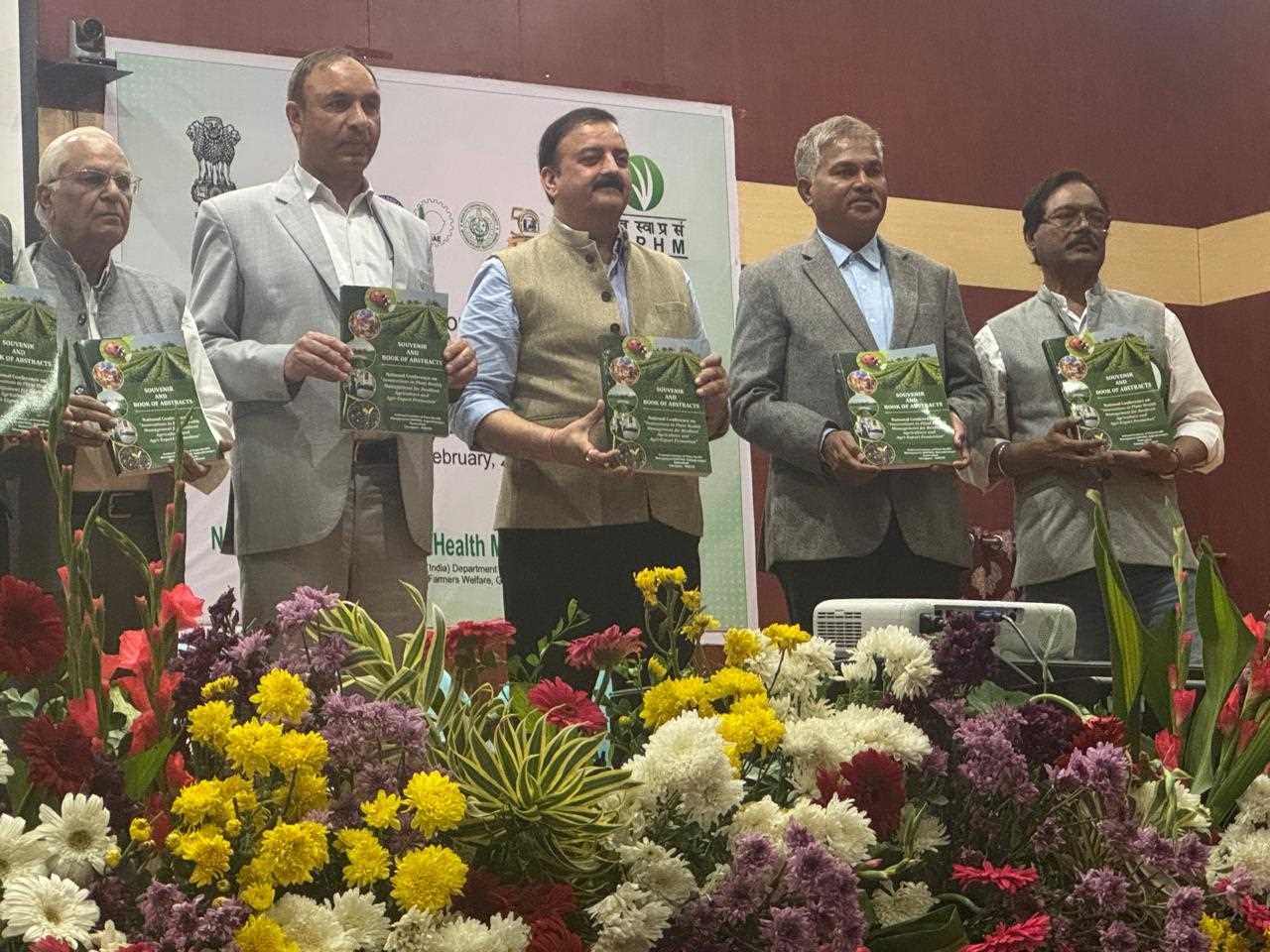
As climate change and global trade accelerate the spread of invasive pests, India must pivot from reactive ‘firefighting’ to a predictive, intelligence-based surveillance system to safeguard its agricultural economy. This was the central message delivered by Vice Chancellor, SKUAST-K, Prof Nazir Ahmad Ganai, during his keynote address on the opening day of the National Conference on ‘Innovations in Plant Health Management for Resilient Agriculture and Agri-Export Promotion’.

The three-day event, organised by the National Institute of Plant Health Management (NIPHM) from February 26–28, 2026, brought together the nation's leading scientists and policymakers to address a rapidly shifting biological risk landscape.

During his address, Prof Ganai highlighted that while India celebrates record-breaking production –exceeding 330 million tonnes of food grains and 369 million tonnes in horticulture – a significant portion of this progress is being eroded by pests and diseases. He noted that global scientific estimates suggest 20% to 40% of crops are lost annually to biological stresses. Even by conservative domestic estimates, these losses represent significant economic and ecological costs, including wasted irrigation water, fertilizers, energy, and farmer effort. Vice Chancellor warned that traditional plant protection systems, often based on fixed spray schedules, are no longer sufficient to combat threats that are becoming faster, more mobile, and increasingly resistant to conventional chemical controls.


Prof Ganai called for the full operationalisation of the National Integrated Plant Health Intelligence Mission (NIPHIM) to modernise India's plant health defenses. He proposed a transition to data-driven surveillance, risk-based advisories, and targeted interventions. This vision includes the development of a digital pest surveillance grid using smart traps, the adoption of precision technologies like drones, and the integration of climate-linked forecasting models to anticipate pest emergence. He clarified that the goal is not to eliminate protection measures, but to make them more precise, efficient, and environmentally responsible. Such a shift would reduce pesticide dependence, slow resistance development, and improve compliance with international export standards regarding chemical residues.

Vice Chancellor also emphasized that climate-sensitive and temperate agro-ecosystems, such as those in Jammu and Kashmir, require customised surveillance systems aligned with their unique horticultural profiles. During the inaugural session, he also declared open a new MOOC course on ‘Appropriate Pesticide Application Techniques’, aimed at educating practitioners on safer and more effective methods. The address was widely praised by participating scientists and policymakers as a timely and essential roadmap for navigating emerging biological risks.

Following the session, Prof Ganai, accompanied by entomology scientists Prof Sajad Mohiuddin and Prof Abu Manzar, visited the International Crops Research Institute for the Semi-Arid Tropics (ICRISAT). They held a detailed meeting with Director General Dr Himanshu Pathak and his team to explore collaborative research avenues. The discussions focused on mitigating agricultural challenges under current climate and trade scenarios, with a specific focus on developing collaborative strategies for invasive pest surveillance. This partnership aims to directly benefit farmers in the Kashmir Valley and across the country, ensuring that plant health remains a robust pillar of India’s food and trade security.



  • Address: R.C 2 Quarters Press Enclave Near Pratap Park, Srinagar 190001.
  • Phone: 0194-2451076 , +91-941-940-0056 , +91-962-292-4716
  • Email: brighterkmr@gmail.com
Owner, Printer, Publisher, Editor: Farooq Ahmad Wani
Legal Advisor: M.J. Hubi
Printed at: Sangermal offset Printing Press Rangreth ( Budgam)
Published from: Gulshanabad Chraresharief Budgam
RNI No.: JKENG/2010/33802
Office No’s: 0194-2451076
Mobile No’s 9419400056, 9622924716 ,7006086442
Postal Regd No: SK/135/2010-2019
POST BOX NO: 1001
Administrative Office: R.C 2 Quarters Press Enclave Near Pratap Park ( Srinagar -190001)

© Copyright 2023 brighterkashmir.com All Rights Reserved. Quantum Technologies

Owner, Printer, Publisher, Editor: Farooq Ahmad Wani
Legal Advisor: M.J. Hubi
Printed at: Abid Enterprizes, Zainkote Srinagar
Published from: Gulshanabad Chraresharief Budgam
RNI No.: JKENG/2010/33802
Office No’s: 0194-2451076, 9622924716 , 9419400056
Postal Regd No: SK/135/2010-2019
Administrative Office: Abi Guzer Srinagar

© Copyright 2018 brighterkashmir.com All Rights Reserved.