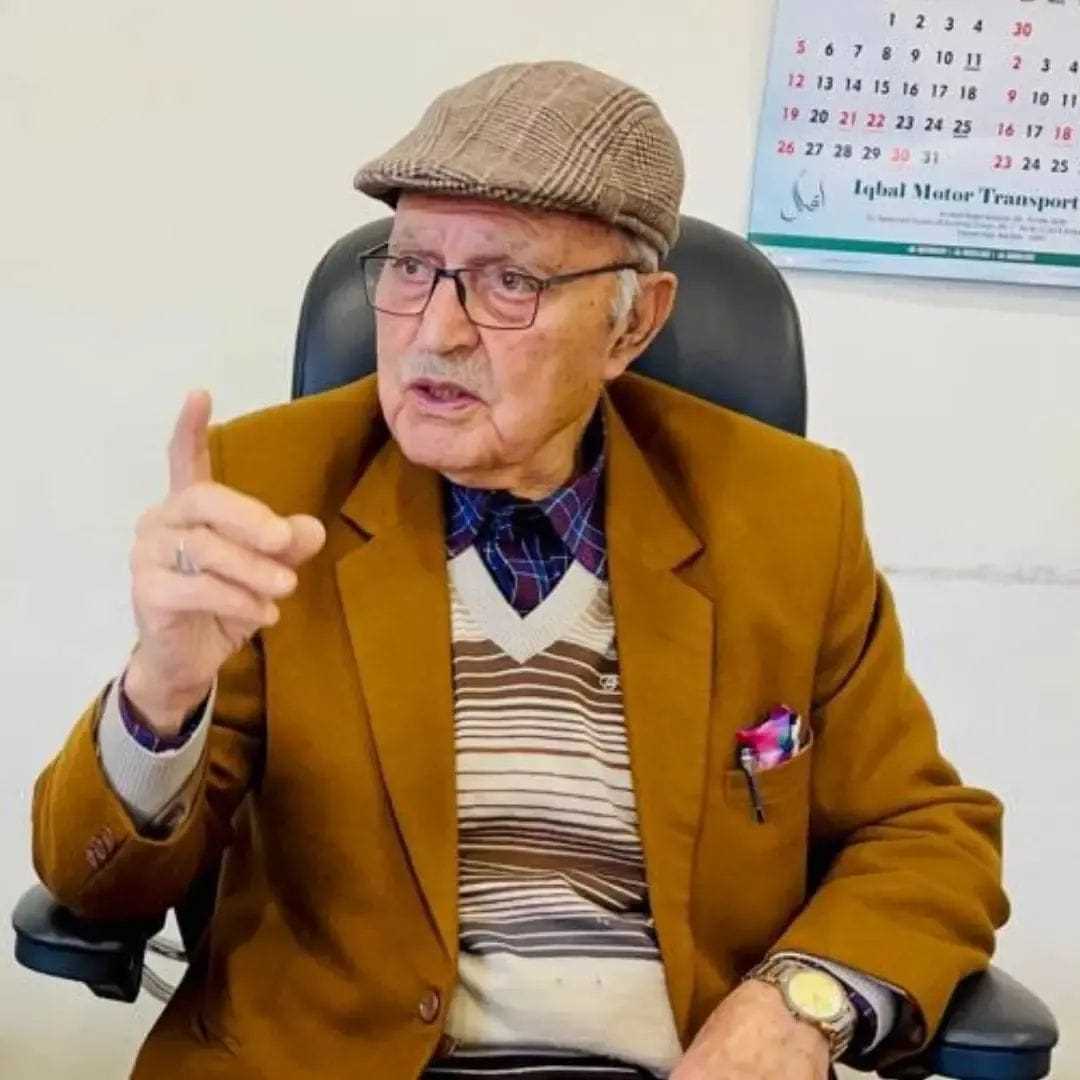
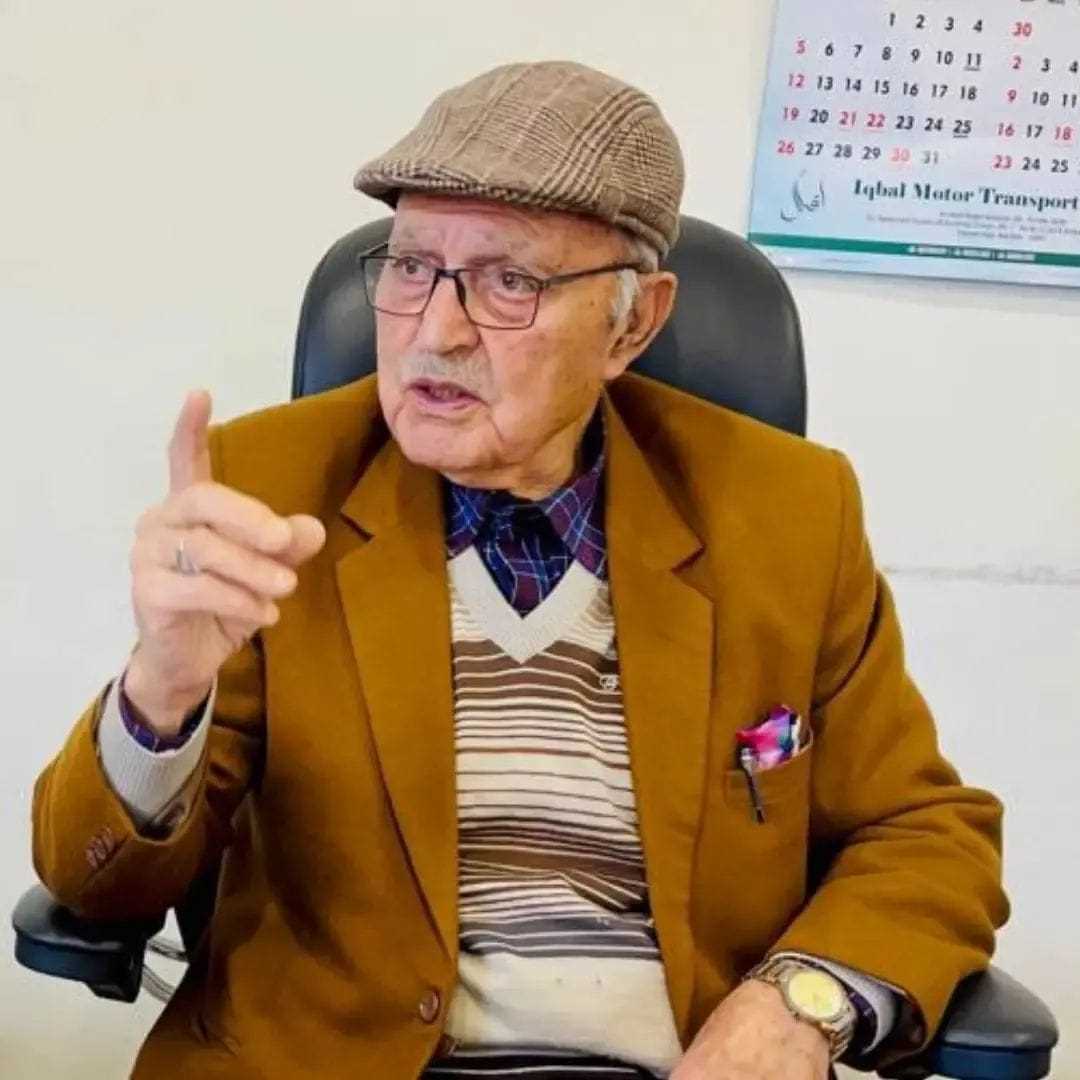
Srinagar, July 14: Jammu and Kashmir's political landscape lost one of its most prominent and outspoken leaders on Tuesday with the passing of senior National Conference (NC) leader and former minister Dr Sheikh Mustafa Kamal. He died at Paras Hospital in Srinagar after a prolonged illness. He was 84.
Dr Kamal, the younger brother of National Conference president and former Chief Minister Dr Farooq Abdullah, had been battling health complications for several months. According to party sources, his health deteriorated significantly four days ago despite intensive medical care. His death marks the end of a political career spanning more than five decades, during which he remained one of the National Conference's most influential ideologues, strategists, and public figures.
Chief Minister Omar Abdullah announced the demise of his uncle through an emotional message on social media.
"My father's younger brother Dr Mustafa Kamal passed away earlier this evening at Paras Hospital in Srinagar. Uncle Mustafa had been unwell for some months but took a turn for the worse four days ago. He put up a brave fight holding on against the odds. The doctors and staff treating him were amazing but Allah called him for his final journey. May Allah grant Uncle Mustafa the highest place in Jannat," Omar wrote.
The news prompted an outpouring of condolences from leaders across the political spectrum, who remembered Dr Kamal as one of Jammu and Kashmir's most experienced political personalities.
Born into the influential Abdullah family, Dr Sheikh Mustafa Kamal was the son of Sher-e-Kashmir Sheikh Mohammad Abdullah and Begum Akbar Jehan Abdullah. Growing up during a defining period in Kashmir's political history, he later joined public life through the National Conference, where he became known for his unwavering commitment to the party and his outspoken political views.
Although professionally trained as a medical doctor, Dr Kamal devoted most of his life to politics. His medical background earned him the title "Dr," but it was his political acumen, organizational skills, and forceful public speaking that established him as a respected political leader.
He began his electoral career in the early 1980s, becoming a member of the Jammu and Kashmir Legislative Council in 1983. In 1987, he was elected to the Jammu and Kashmir Legislative Assembly from the Gulmarg constituency, which he represented on multiple occasions.
Over the years, he served as a Cabinet Minister in National Conference governments formed in 1983, 1987, and 1996, handling key portfolios during some of the most challenging phases in Jammu and Kashmir's political history. Beyond his ministerial responsibilities, he played a central role in shaping the party's political strategy and frequently served as one of its principal spokespersons.
Within the National Conference, Dr Kamal was regarded as one of Dr Farooq Abdullah's closest advisers. He remained actively involved in strengthening the party's grassroots organization, formulating policy, planning election campaigns, and engaging with the public. In recent years, he served as the party's Additional General Secretary and regularly met public delegations at the National Conference headquarters in Srinagar.
Known for his candid and forthright approach, Dr Kamal consistently voiced the party's position on issues concerning Jammu and Kashmir, including the restoration of statehood, constitutional rights, and the region's political future. Even while dealing with health issues, he continued participating in party affairs whenever possible.
His political journey was marked by steadfast loyalty to the National Conference. Unlike many contemporaries who shifted political affiliations over the years, Dr Kamal remained firmly associated with the party founded by his father, making him one of its longest-serving senior leaders.
Colleagues often praised his deep understanding of Kashmir's political history. His speeches frequently referenced historical events, constitutional developments, and the legacy of Sheikh Abdullah, reflecting his role as one of the party's foremost interpreters of its ideology.
Beyond politics, Dr Kamal was widely respected for his accessibility and close rapport with party workers. Despite holding senior positions, he remained approachable and regularly interacted with delegations from across Jammu and Kashmir to hear their concerns.
His passing comes at a significant political moment for the National Conference, which has been advocating for the restoration of Jammu and Kashmir's statehood. Party leaders described his death as a major loss, saying his experience, guidance, and institutional memory would be difficult to replace.
Funeral arrangements are expected to be announced by the family. Political leaders, party workers, and admirers are likely to gather in large numbers to pay their final respects to the veteran leader.
With the passing of Dr Sheikh Mustafa Kamal, Jammu and Kashmir loses not only a former minister and senior National Conference leader but also one of the last prominent political figures whose life and career were closely intertwined with the region's post-Independence political evolution and the enduring legacy of the Abdullah family.

Srinagar, July 14: Jammu and Kashmir's political landscape lost one of its most prominent and outspoken leaders on Tuesday with the passing of senior National Conference (NC) leader and former minister Dr Sheikh Mustafa Kamal. He died at Paras Hospital in Srinagar after a prolonged illness. He was 84.
Dr Kamal, the younger brother of National Conference president and former Chief Minister Dr Farooq Abdullah, had been battling health complications for several months. According to party sources, his health deteriorated significantly four days ago despite intensive medical care. His death marks the end of a political career spanning more than five decades, during which he remained one of the National Conference's most influential ideologues, strategists, and public figures.
Chief Minister Omar Abdullah announced the demise of his uncle through an emotional message on social media.
"My father's younger brother Dr Mustafa Kamal passed away earlier this evening at Paras Hospital in Srinagar. Uncle Mustafa had been unwell for some months but took a turn for the worse four days ago. He put up a brave fight holding on against the odds. The doctors and staff treating him were amazing but Allah called him for his final journey. May Allah grant Uncle Mustafa the highest place in Jannat," Omar wrote.
The news prompted an outpouring of condolences from leaders across the political spectrum, who remembered Dr Kamal as one of Jammu and Kashmir's most experienced political personalities.
Born into the influential Abdullah family, Dr Sheikh Mustafa Kamal was the son of Sher-e-Kashmir Sheikh Mohammad Abdullah and Begum Akbar Jehan Abdullah. Growing up during a defining period in Kashmir's political history, he later joined public life through the National Conference, where he became known for his unwavering commitment to the party and his outspoken political views.
Although professionally trained as a medical doctor, Dr Kamal devoted most of his life to politics. His medical background earned him the title "Dr," but it was his political acumen, organizational skills, and forceful public speaking that established him as a respected political leader.
He began his electoral career in the early 1980s, becoming a member of the Jammu and Kashmir Legislative Council in 1983. In 1987, he was elected to the Jammu and Kashmir Legislative Assembly from the Gulmarg constituency, which he represented on multiple occasions.
Over the years, he served as a Cabinet Minister in National Conference governments formed in 1983, 1987, and 1996, handling key portfolios during some of the most challenging phases in Jammu and Kashmir's political history. Beyond his ministerial responsibilities, he played a central role in shaping the party's political strategy and frequently served as one of its principal spokespersons.
Within the National Conference, Dr Kamal was regarded as one of Dr Farooq Abdullah's closest advisers. He remained actively involved in strengthening the party's grassroots organization, formulating policy, planning election campaigns, and engaging with the public. In recent years, he served as the party's Additional General Secretary and regularly met public delegations at the National Conference headquarters in Srinagar.
Known for his candid and forthright approach, Dr Kamal consistently voiced the party's position on issues concerning Jammu and Kashmir, including the restoration of statehood, constitutional rights, and the region's political future. Even while dealing with health issues, he continued participating in party affairs whenever possible.
His political journey was marked by steadfast loyalty to the National Conference. Unlike many contemporaries who shifted political affiliations over the years, Dr Kamal remained firmly associated with the party founded by his father, making him one of its longest-serving senior leaders.
Colleagues often praised his deep understanding of Kashmir's political history. His speeches frequently referenced historical events, constitutional developments, and the legacy of Sheikh Abdullah, reflecting his role as one of the party's foremost interpreters of its ideology.
Beyond politics, Dr Kamal was widely respected for his accessibility and close rapport with party workers. Despite holding senior positions, he remained approachable and regularly interacted with delegations from across Jammu and Kashmir to hear their concerns.
His passing comes at a significant political moment for the National Conference, which has been advocating for the restoration of Jammu and Kashmir's statehood. Party leaders described his death as a major loss, saying his experience, guidance, and institutional memory would be difficult to replace.
Funeral arrangements are expected to be announced by the family. Political leaders, party workers, and admirers are likely to gather in large numbers to pay their final respects to the veteran leader.
With the passing of Dr Sheikh Mustafa Kamal, Jammu and Kashmir loses not only a former minister and senior National Conference leader but also one of the last prominent political figures whose life and career were closely intertwined with the region's post-Independence political evolution and the enduring legacy of the Abdullah family.
© Copyright 2023 brighterkashmir.com All Rights Reserved. Quantum Technologies