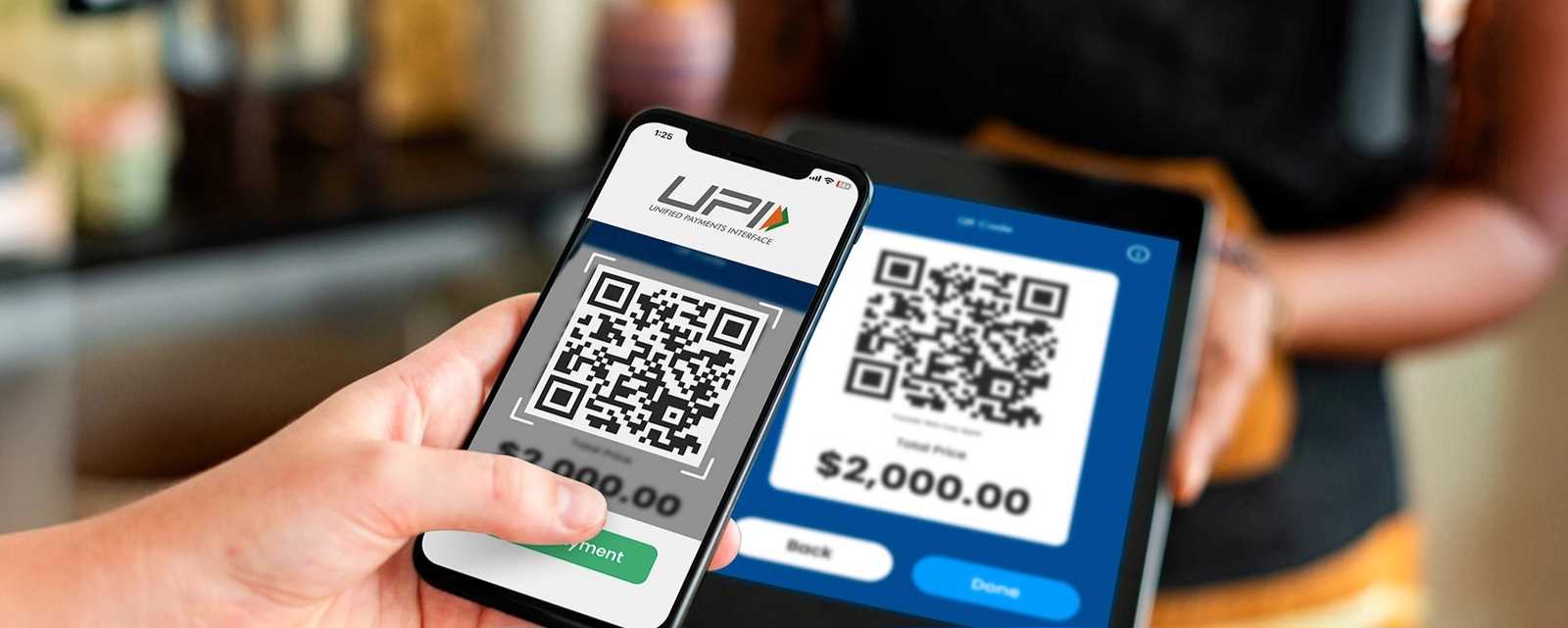
Srinagar, Sep 17: The Traders Association Central Lal Chowk has expressed concern over the proposed Merchant Discount Rate (MDR) on certain UPI merchant transactions above ₹2,000, saying the move could increase costs for small businesses and encourage a return to cash payments.
The association convened an emergency executive meeting to discuss the new UPI framework, which is scheduled to come into effect from October 15, 2026. Under the framework announced by the National Payments Corporation of India, a 0.4 per cent MDR will apply to specified person-to-merchant UPI transactions above ₹2,000, subject to a maximum charge of ₹300 on transactions of ₹75,000 and above.
Feroz Ahmad Baba, president of the Traders Association Central Lal Chowk, said the additional cost could place a greater burden on small traders, micro-enterprises and shopkeepers operating on limited margins.
The association said businesses in Lal Chowk have increasingly adopted QR-code-based digital payments, making UPI an important part of daily commercial activity. It expressed concern that charges on eligible higher-value transactions could affect merchants who rely heavily on digital payments.
The traders also warned that some businesses could begin preferring cash for larger purchases if the additional cost becomes significant.
At the same time, the new framework does not apply a charge to all UPI transactions above ₹2,000. The Finance Ministry has stated that person-to-person UPI transfers will remain free, while merchant transactions up to ₹2,000 and payments covered under the zero-MDR framework for small merchants will continue to remain free. The government has said around 96 per cent of person-to-merchant UPI transactions will remain unaffected.
The Finance Ministry has also clarified that MDR is neither a tax nor a government charge paid directly by consumers. The amount is distributed among participants in the digital payments ecosystem, including banks and payment application providers.
The Lal Chowk traders said their primary concern was the cumulative impact of the proposed charges on businesses handling a large number of higher-value transactions. They urged authorities and stakeholders in the payments ecosystem to review the structure and ensure that small and medium businesses do not face an excessive financial burden.
With UPI now widely used across India's retail sector, traders said the implementation of the new framework could influence how businesses handle higher-value payments after October 15.

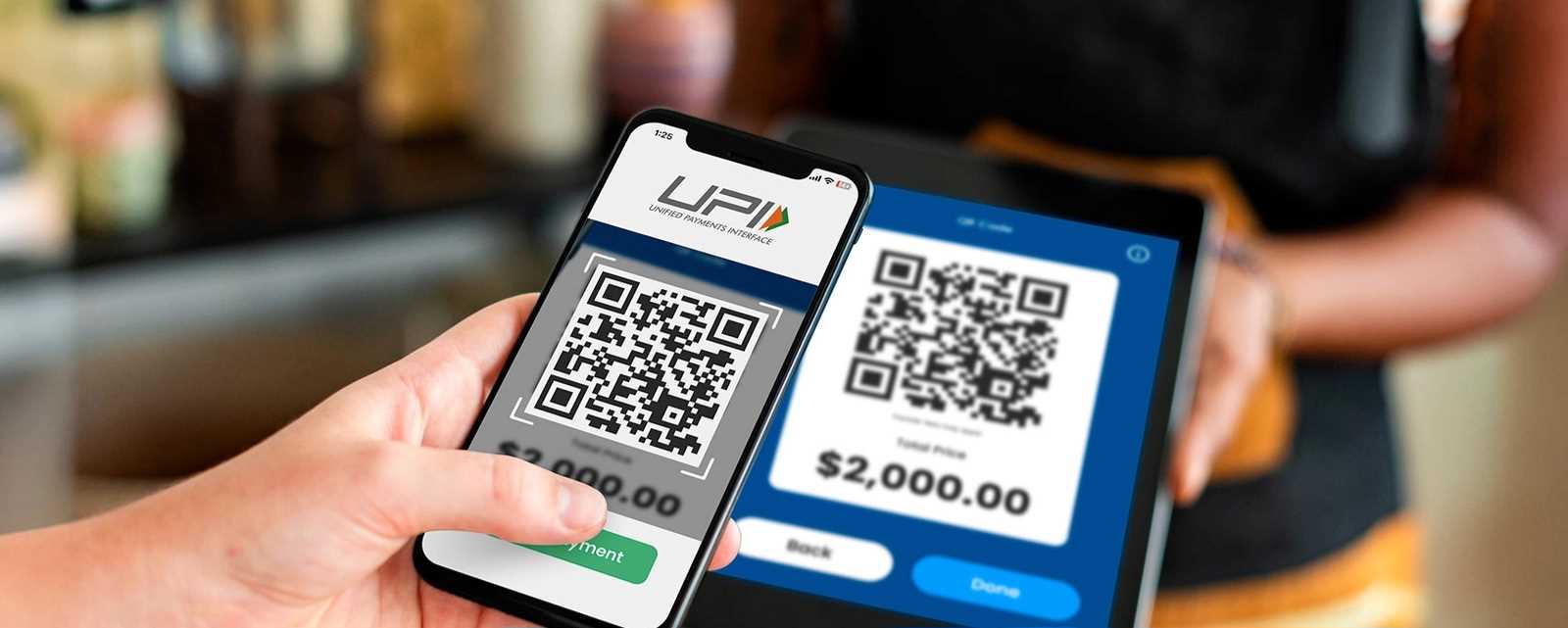
Srinagar, Sep 17: The Traders Association Central Lal Chowk has expressed concern over the proposed Merchant Discount Rate (MDR) on certain UPI merchant transactions above ₹2,000, saying the move could increase costs for small businesses and encourage a return to cash payments.
The association convened an emergency executive meeting to discuss the new UPI framework, which is scheduled to come into effect from October 15, 2026. Under the framework announced by the National Payments Corporation of India, a 0.4 per cent MDR will apply to specified person-to-merchant UPI transactions above ₹2,000, subject to a maximum charge of ₹300 on transactions of ₹75,000 and above.
Feroz Ahmad Baba, president of the Traders Association Central Lal Chowk, said the additional cost could place a greater burden on small traders, micro-enterprises and shopkeepers operating on limited margins.
The association said businesses in Lal Chowk have increasingly adopted QR-code-based digital payments, making UPI an important part of daily commercial activity. It expressed concern that charges on eligible higher-value transactions could affect merchants who rely heavily on digital payments.
The traders also warned that some businesses could begin preferring cash for larger purchases if the additional cost becomes significant.
At the same time, the new framework does not apply a charge to all UPI transactions above ₹2,000. The Finance Ministry has stated that person-to-person UPI transfers will remain free, while merchant transactions up to ₹2,000 and payments covered under the zero-MDR framework for small merchants will continue to remain free. The government has said around 96 per cent of person-to-merchant UPI transactions will remain unaffected.
The Finance Ministry has also clarified that MDR is neither a tax nor a government charge paid directly by consumers. The amount is distributed among participants in the digital payments ecosystem, including banks and payment application providers.
The Lal Chowk traders said their primary concern was the cumulative impact of the proposed charges on businesses handling a large number of higher-value transactions. They urged authorities and stakeholders in the payments ecosystem to review the structure and ensure that small and medium businesses do not face an excessive financial burden.
With UPI now widely used across India's retail sector, traders said the implementation of the new framework could influence how businesses handle higher-value payments after October 15.
© Copyright 2023 brighterkashmir.com All Rights Reserved. Quantum Technologies