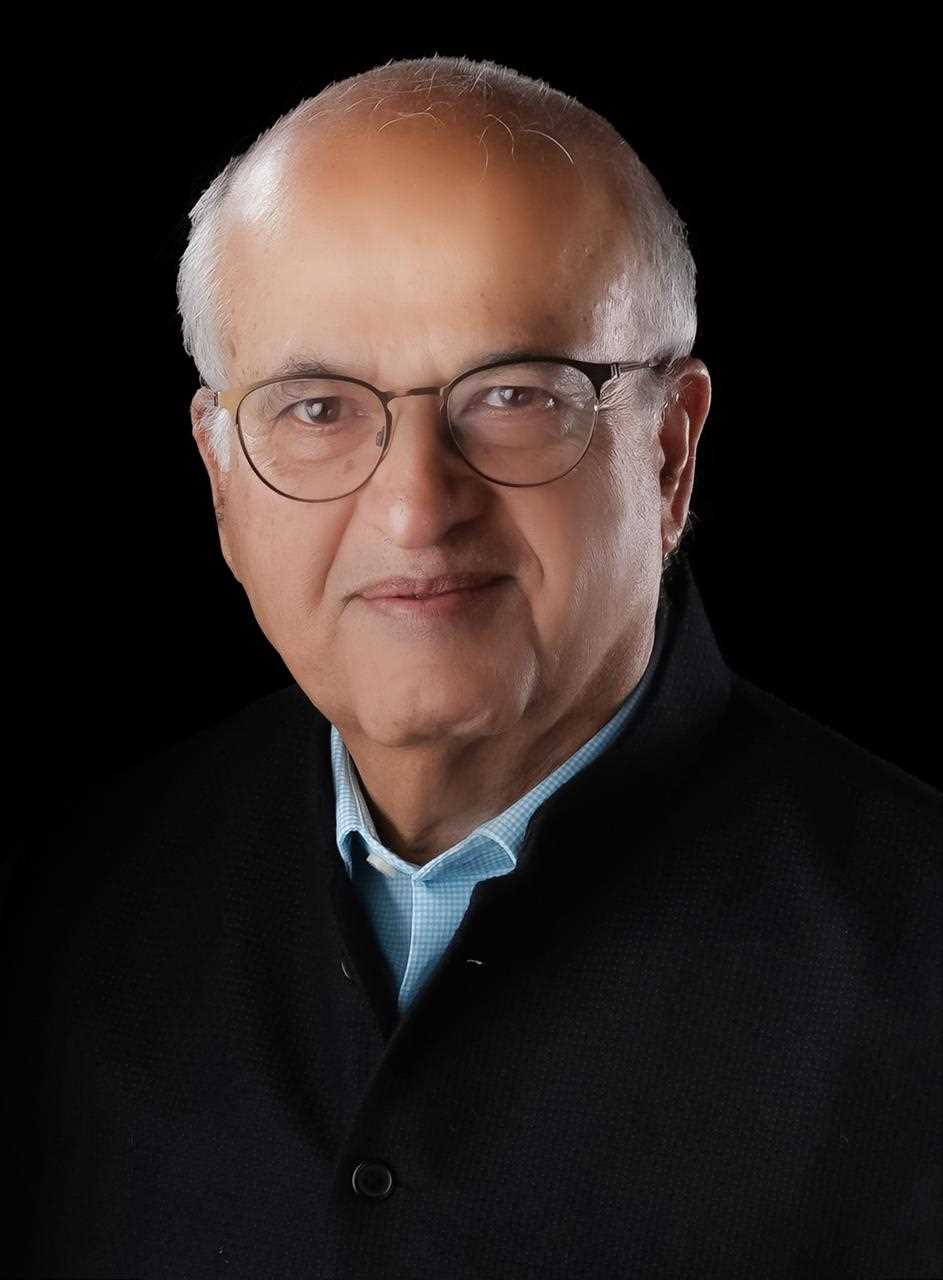
Srinagar, Jan 28: Strengthening human development in Jammu & Kashmir calls for closer alignment between education, health and long-term well-being, particularly from the school level. Highlighting this linkage, Dr Rahul Mehra, India’s National Representative for the UNESCO Chair on Global Health & Education and Executive Chairman of Tarang Health Alliance, underscored the role of structured health education in improving learning outcomes and future productivity.
“Education cannot deliver its full promise if children come to classrooms carrying the burden of poor health from early childhood,” Dr Mehra said. “Health education in schools creates the foundation for better learning, stronger resilience and more productive lives,” he added.
Dr Mehra noted that despite progress in access to education, underlying health conditions continue to shape children’s ability to learn and thrive. In Jammu & Kashmir, nearly two-thirds of women aged 15–49 years are anaemic, a factor with direct implications for early childhood development. Maternal anaemia often results in children being born malnourished and stunted, with around 25–30 per cent of children under five years of age affected by stunting. Such early disadvantages, he observed, are closely linked to impaired cognitive development, reduced learning capacity and lower lifetime earnings.
The burden of anaemia among young children remains particularly high. Around 72 per cent of children under five in the region are affected, placing Jammu & Kashmir among the worst-affected states in the country. Anaemia in early childhood frequently leads to weakness, poor concentration and academic underperformance, reinforcing the link between health and education.
Referring to national initiatives such as Anaemia Mukt Bharat and Mission Poshan 2.0, Dr Mehra acknowledged their importance in providing nutritional and supplementation support, while noting that outcomes have varied across districts. “Medical and nutrition programmes are essential, but without health literacy and daily practice, their impact remains limited. Schools are the most effective spaces to convert awareness into sustained behavioural change,” he said.
Beyond undernutrition, Dr Mehra highlighted emerging lifestyle-related risks among children. More than 50 per cent of children aged 5–9 years in Jammu & Kashmir have elevated triglyceride levels, signalling early vulnerability to obesity, diabetes and cardiovascular diseases later in life. This trend underscores the need for early education around nutrition, physical activity and healthy routines.
Dr Mehra stressed that schools offer a consistent and inclusive platform for health education. Classroom-based learning can help children understand nutrition, hygiene, physical activity, emotional well-being and responsible social behaviour, reinforcing health interventions through regular practice.
He advocated making health education mandatory, adopting a holistic curriculum that covers physical health, mental well-being and social health. Physical health education supports preventive habits, mental health education strengthens emotional resilience, and social health education builds empathy, communication skills and safe decision-making. Teachers and parents, he added, play a crucial role in reinforcing these lessons.
Tarang Health Alliance has implemented a comprehensive school health programme across schools in Delhi NCR, the Chandigarh tri-state region and Jaipur. The initiative includes a structured health curriculum with textbooks for middle school students, teacher training and regular parental engagement. Expanded to 30 schools during 2024–25, the programme has demonstrated measurable improvements in students’ health behaviour.
These observations were shared during a webinar sssssorganised by Tarang Health Alliance in collaboration with Fijeeha and ACTION (Alliance for Change, Transformation & Innovation). Global models from Finland and Japan, where health education is mandatory, show that early, structured health learning contributes to healthier adolescents, improved learning outcomes and higher national productivity.
For Jammu & Kashmir, integrating health education into schools represents a strategic investment in human development, linking health, education and economic resilience, and laying the foundation for a healthier, more productive future generation.
Srinagar, Jan 28: Strengthening human development in Jammu & Kashmir calls for closer alignment between education, health and long-term well-being, particularly from the school level. Highlighting this linkage, Dr Rahul Mehra, India’s National Representative for the UNESCO Chair on Global Health & Education and Executive Chairman of Tarang Health Alliance, underscored the role of structured health education in improving learning outcomes and future productivity.
“Education cannot deliver its full promise if children come to classrooms carrying the burden of poor health from early childhood,” Dr Mehra said. “Health education in schools creates the foundation for better learning, stronger resilience and more productive lives,” he added.
Dr Mehra noted that despite progress in access to education, underlying health conditions continue to shape children’s ability to learn and thrive. In Jammu & Kashmir, nearly two-thirds of women aged 15–49 years are anaemic, a factor with direct implications for early childhood development. Maternal anaemia often results in children being born malnourished and stunted, with around 25–30 per cent of children under five years of age affected by stunting. Such early disadvantages, he observed, are closely linked to impaired cognitive development, reduced learning capacity and lower lifetime earnings.
The burden of anaemia among young children remains particularly high. Around 72 per cent of children under five in the region are affected, placing Jammu & Kashmir among the worst-affected states in the country. Anaemia in early childhood frequently leads to weakness, poor concentration and academic underperformance, reinforcing the link between health and education.
Referring to national initiatives such as Anaemia Mukt Bharat and Mission Poshan 2.0, Dr Mehra acknowledged their importance in providing nutritional and supplementation support, while noting that outcomes have varied across districts. “Medical and nutrition programmes are essential, but without health literacy and daily practice, their impact remains limited. Schools are the most effective spaces to convert awareness into sustained behavioural change,” he said.
Beyond undernutrition, Dr Mehra highlighted emerging lifestyle-related risks among children. More than 50 per cent of children aged 5–9 years in Jammu & Kashmir have elevated triglyceride levels, signalling early vulnerability to obesity, diabetes and cardiovascular diseases later in life. This trend underscores the need for early education around nutrition, physical activity and healthy routines.
Dr Mehra stressed that schools offer a consistent and inclusive platform for health education. Classroom-based learning can help children understand nutrition, hygiene, physical activity, emotional well-being and responsible social behaviour, reinforcing health interventions through regular practice.
He advocated making health education mandatory, adopting a holistic curriculum that covers physical health, mental well-being and social health. Physical health education supports preventive habits, mental health education strengthens emotional resilience, and social health education builds empathy, communication skills and safe decision-making. Teachers and parents, he added, play a crucial role in reinforcing these lessons.
Tarang Health Alliance has implemented a comprehensive school health programme across schools in Delhi NCR, the Chandigarh tri-state region and Jaipur. The initiative includes a structured health curriculum with textbooks for middle school students, teacher training and regular parental engagement. Expanded to 30 schools during 2024–25, the programme has demonstrated measurable improvements in students’ health behaviour.
These observations were shared during a webinar sssssorganised by Tarang Health Alliance in collaboration with Fijeeha and ACTION (Alliance for Change, Transformation & Innovation). Global models from Finland and Japan, where health education is mandatory, show that early, structured health learning contributes to healthier adolescents, improved learning outcomes and higher national productivity.
For Jammu & Kashmir, integrating health education into schools represents a strategic investment in human development, linking health, education and economic resilience, and laying the foundation for a healthier, more productive future generation.

© Copyright 2023 brighterkashmir.com All Rights Reserved. Quantum Technologies